
How To
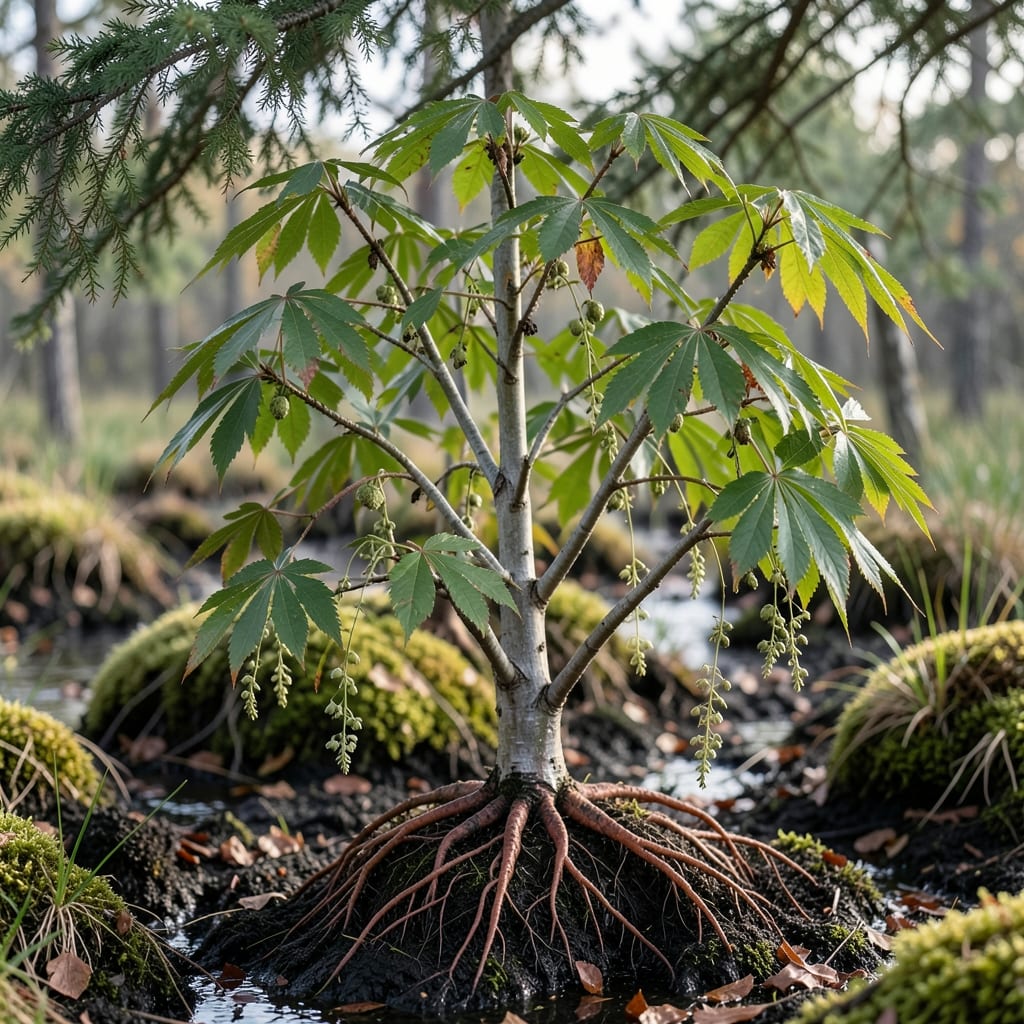
If you’ve ever spotted poison sumac 🌿 towering near wetlands, you’ve likely wondered just how tall this toxic shrub can grow—and why its height matters. The answer isn’t just about curiosity; it’s about safety, since its sap can trigger severe skin reactions or even respiratory issues.
In its natural habitat, poison sumac typically reaches heights between 6 and 25 feet, often dwarfing nearby vegetation. This aggressive growth makes it a dominant force in swamps and riverbanks, where it thrives in moist, shaded conditions. Understanding its height range helps you avoid accidental encounters during hikes or landscaping projects.
What makes this plant even more concerning is how quickly it spreads. Unlike ornamental sumac varieties, poison sumac isn’t just tall—it’s invasive, with red stems and compound leaves that signal danger. Knowing its mature size and growth habits is the first step to protecting yourself and your property.
In this guide, I’ll break down everything you need to know about its height, identification markers, and why you should never attempt to cultivate it. Let’s dive in.


Poison sumac height in the wild: natural growth limits and environmental factors
Understanding poison sumac height starts with its natural habitat. In swamps, wetlands, and riverbanks—its preferred environments—this toxic shrub typically reaches 6 to 25 feet at maturity. That’s taller than most gardeners’ expectations, often rivaling small trees in dense thickets. The variation in height depends heavily on sunlight exposure, water availability, and competition with other plants.
In ideal conditions—like full sun and abundant moisture—poison sumac can grow aggressively, sometimes exceeding 25 feet in rare cases. Conversely, in shaded or drier areas, it may stay closer to 6 to 12 feet. This adaptability makes it a formidable invader in disturbed ecosystems.
Here’s how its height compares to familiar objects: a 10-foot specimen towers over a basketball hoop, while a 20-foot plant rivals the height of a two-story building. These extremes highlight why avoiding contact is crucial during outdoor activities.
Regional differences also play a role. In the southeastern U.S., where wetlands dominate, poison sumac often hits its maximum height due to ideal growing conditions. In cooler northern climates, growth may be stunted, rarely exceeding 15 feet.
🌱 Poison Sumac Growth Summary
| Growth Stage | Height Range | Environmental Factors |
|---|---|---|
| Seedling | 1–2 ft | Moist, shaded soil |
| Young Plant | 2–6 ft | Full sun exposure |
| Mature Shrub | 6–25 ft | Wetland conditions |
| Record Specimen | Up to 30 ft | Optimal sunlight/water |
Sunlight is the biggest driver of poison sumac growth. In full sun, it grows 30–50% faster than in partial shade, where stems may become leggy and weak. This is why it dominates open wetlands, where competition for light is minimal.
Water availability is equally critical. Poison sumac thrives in consistently moist soil, often forming dense thickets along stream banks. Drought stress can stunt growth, but it rarely dies—just slows down, making it resilient in marginal conditions.
Competition with other plants also limits height. In dense forests, poison sumac may stay under 10 feet due to shade from taller trees. However, in open areas, it spreads rapidly, forming impenetrable colonies that can reach 20+ feet.
Identifying poison sumac by height alone isn’t foolproof, but combining height with its distinctive red stems and 7–13 leaflets per branch makes it unmistakable. Always err on the side of caution—never touch unknown plants in wetlands.
If you’re managing land near wetlands, monitoring poison sumac height is key to controlling its spread. Early detection and removal prevent it from reaching its full 25-foot potential—and the severe allergic reactions it can trigger.
Can you grow poison sumac in a garden? Height constraints and legal risks
Short answer: No, you shouldn’t—and can’t legally—grow poison sumac in your garden. This toxic shrub is highly regulated in most states due to its severe health risks. Even if you found a way to cultivate it, its 6–25-foot height would make containment nearly impossible, turning your yard into a biohazard zone.
Attempting to grow poison sumac violates environmental protection laws in nearly every U.S. state. Authorities classify it as an invasive species, and possession of even small cuttings can lead to fines or legal consequences. The plant’s rapid growth—2–4 feet in its first year and 10+ feet by year three—makes it a nightmare for homeowners.
Even if you somehow acquired it, controlling its height would require aggressive pruning every few months, which is impractical for a plant that can regrow from tiny root fragments. Unlike ornamental sumac varieties (like staghorn sumac), poison sumac lacks any redeeming horticultural qualities—just toxic sap and aggressive spread.
⚠️ Legal & Safety Warning
✅ DO: Report sightings to local authorities if found on your property.
❌ DON’T: Attempt to transplant, burn, or ignore it—poison sumac can spread via wind-dispersed seeds or root fragments.
🚨 Penalty: Fines up to $5,000+ in some states for illegal possession or propagation.
If you’re craving the sumac look without the danger, consider non-toxic alternatives like staghorn sumac (Rhus typhina) or fragrant sumac (Rhus aromatica). These ornamental varieties grow 10–15 feet tall but produce harmless red berries and fragrant foliage, making them perfect for gardens.
For height control, these safe sumac species can be pruned annually to keep them under 8 feet if needed. They also thrive in full sun to partial shade, just like poison sumac—but without the skin-burning urushiol oil that causes poison ivy-like rashes.
If you suspect poison sumac on your property, contact your local extension office immediately. They’ll guide you on safe removal methods, which often involve licensed professionals using protective gear. Never try to handle it yourself—one brush against the leaves or stems can trigger reactions for weeks.
Bottom line: Poison sumac belongs in the wild—not your garden. Its 6–25-foot height and toxic nature make it one of the most dangerous plants in North America. Stick to safe alternatives and enjoy your outdoor space without the risks.