
Flowers
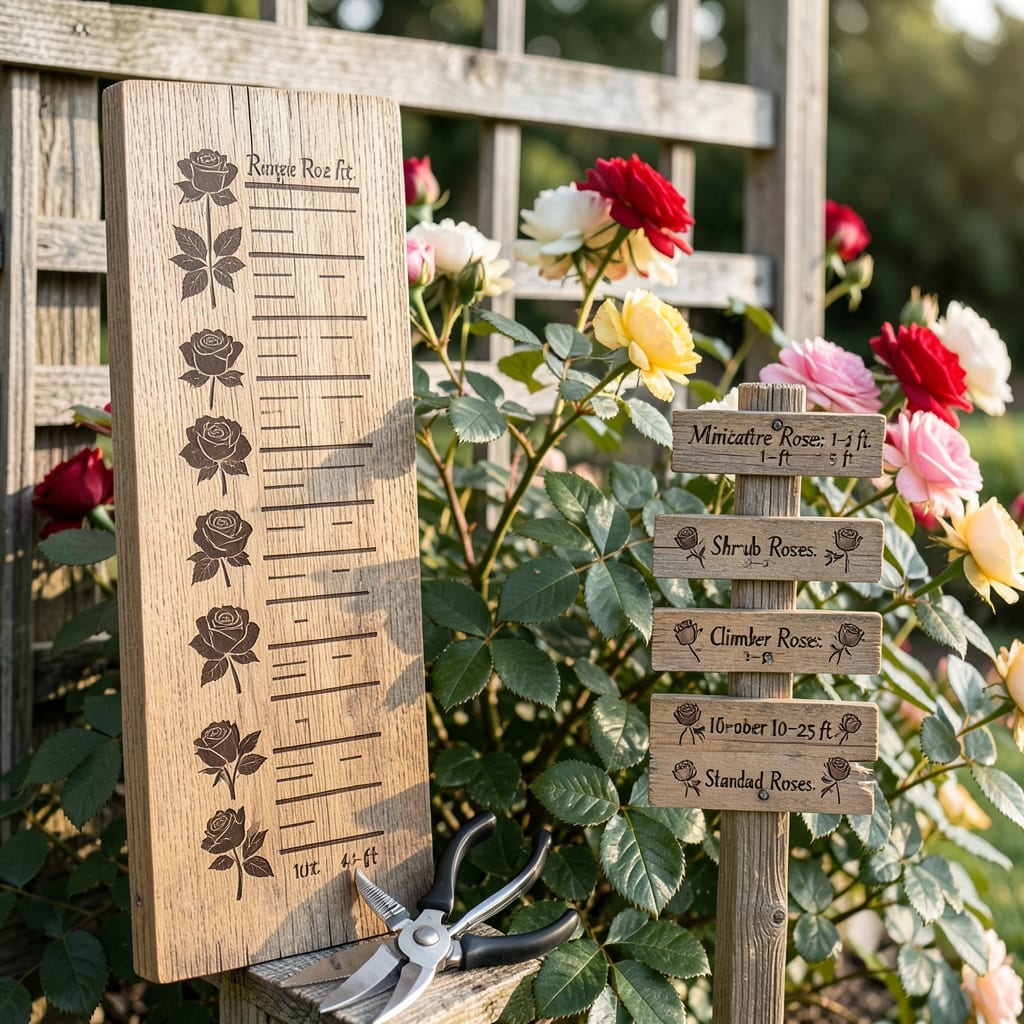
Rose height by variety: from dwarf climbers to towering standards
Roses aren’t one-size-fits-all—some varieties stay compact enough for container gardens, while others climb like living trellises. The mature height of your roses depends entirely on the variety you choose, with some reaching 10 feet or more when given ideal conditions. Whether you're designing a small urban garden or a grand landscape feature, understanding these height ranges helps you plan spacing, pruning, and support structures.
For example, miniature roses rarely exceed 3 feet, making them perfect for window boxes or fairy gardens. On the other end of the spectrum, climbing roses can tower up to 20 feet when trained on arbors or trellises, though their natural growth often stops around 10 feet without support. The key is matching your garden space and climate zone to the right variety.
Here’s how the most popular rose types stack up in height, along with their growth habits and ideal uses:
| Variety | Mature Height | Growth Habit | Best For |
|---|---|---|---|
| Miniature Roses | 1–3 ft | Bushy, compact | Containers, borders, fairy gardens |
| Shrub Roses | 3–5 ft | Upright, multi-stemmed | Hedges, mixed borders, wildlife gardens |
| Hybrid Tea Roses | 3–6 ft | Single-stemmed, upright | Cut flowers, formal gardens, trellises |
| Floribunda Roses | 2–5 ft | Bushy, clusters of blooms | Mass plantings, cottage gardens, containers |
| Climbing Roses | 10–20 ft (with support) | Long, flexible canes | Arbors, pergolas, fences, walls |
| Ground Cover Roses | 1–2 ft (spreading 6+ ft) | Low-growing, spreading | Slopes, under trees, erosion control |
| Standard Roses | 5–10 ft (including grafted stem) | Single trunk with bushy top | Focal points, entryways, small lawns |
If you’re growing roses in containers, opt for dwarf varieties like 'Patio' series or 'Fairy' roses, which thrive in 5-gallon pots and rarely exceed 2 feet. For vertical gardens, climbing roses like 'New Dawn' or 'Blaze' are game-changers, covering pergolars or trellises with vibrant blooms. Just remember: the taller the rose, the more support and pruning it’ll need to stay healthy.
Another factor that influences height is the pruning style you use. Hard pruning (cutting back by ⅓ to ½) encourages bushier growth in shrub roses, while light pruning lets climbing roses stretch taller. In Zone 7 or warmer, roses grow more aggressively, so regular pruning is a must to control height and shape. In colder zones (Zone 5 and below), growth may be slower, but varieties like 'Knock Out' roses still reach 3–4 feet with minimal effort.
For <
Climate-Zone growth charts: how temperature affects rose height
Your rose bushes might reach 10 feet in Zone 10, but the same variety could max out at 6 feet in Zone 5. Temperature, frost patterns, and growing seasons dramatically reshape rose height potential. Understanding these climate-driven differences helps you select the right varieties and adjust pruning strategies for your zone.
For example, climbing roses like 'New Dawn' thrive in Zones 4-9, stretching 12-15 feet in warm climates but only 8-10 feet in colder regions. Meanwhile, hybrid teas like 'Double Delight' grow 4-5 feet in Zone 7 but may only reach 3 feet in Zone 3 without winter protection.
🌹
| USDA Zone | Climbing Roses (ft) | Hybrid Teas (ft) | Shrub Roses (ft) | Winter Care Tip |
|---|---|---|---|---|
| Zone 3-4 | 6-8 ft | 2-3 ft | 3-4 ft | Mulch heavily, use rose cones |
| Zone 5-6 | 8-10 ft | 3-4 ft | 4-5 ft | Light winter pruning, protect canes |
| Zone 7-8 | 10-12 ft | 4-5 ft | 5-6 ft | Minimal winter care needed |
| Zone 9-10 | 12-15 ft | 5-6 ft | 6-8 ft | No winter dormancy |
In colder zones (3-6), roses enter dormancy earlier, limiting their growth spurts. Prune back by one-third in late winter to encourage compact, bushier growth. Meanwhile, warmer zones (7-10) allow roses to grow taller with fewer winter restrictions—ideal for climbing varieties on trellises or arbors.
For Zone 5 gardeners, try 'Knock Out® Roses' (3-4 ft) which handle cold well, while Zone 9 gardeners can push 'Blaze' climbing rose to 15 feet with proper support. Always check your local last frost date—planting too early in cold zones stunts root development and height potential.
🌡️
Pro tip: Use microclimates to extend growing seasons. A south-facing wall can add 2-3 weeks of warmth, letting roses grow 1-2 feet taller than their zone average. Just monitor for pests like aphids that thrive in warmer microclimates!