
Size
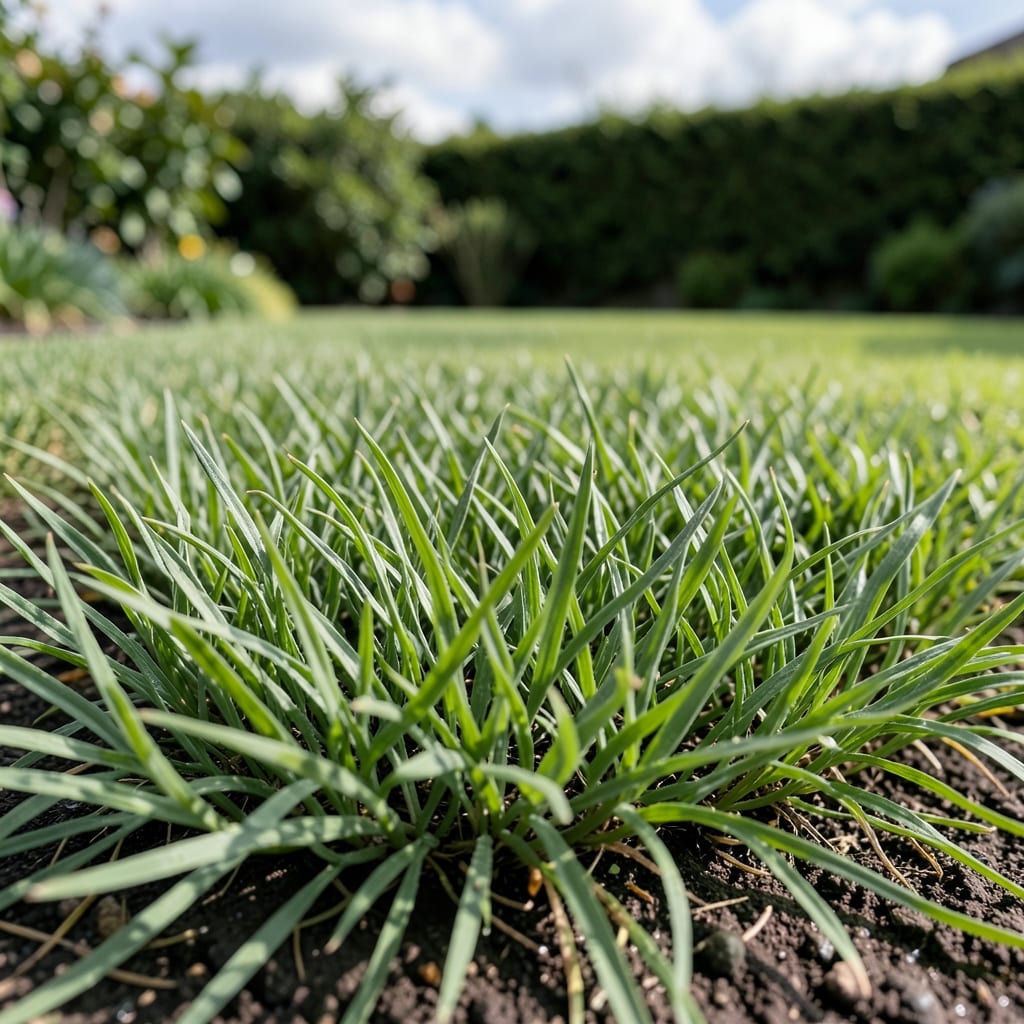
St. augustine grass height by variety: mature growth ranges explained
St. Augustine grass thrives in warm climates, but its mature height varies dramatically by variety. Understanding these differences helps you set the right mowing height for your lawn's health and appearance. Most varieties reach their full height within 2-3 years, though some grow taller faster than others.
The most popular St. Augustine varieties—like Floratam, Palmetto, and Bitterblue—each have distinct growth patterns. For example, Floratam is the most widely planted and typically grows to 3-4 feet tall, while Bitterblue stays slightly shorter at 2.5-3.5 feet. These differences impact everything from drought tolerance to pest resistance.
Here’s how height varies by variety, along with care tips to keep your lawn looking its best:
For instance, if you live in Florida’s humid climate, Floratam may grow closer to 4 feet without proper mowing, while Palmetto stays shorter and handles drought conditions better. Always adjust your mowing height based on the variety you’ve chosen—cutting too short can stress the grass and leave it vulnerable to disease.
Soil quality also plays a role. Well-draining, nutrient-rich soil encourages taller growth, while compacted or poor soil can stunt your grass. If your lawn feels sparse, consider aerating and adding compost to improve root health and support natural height development.
Another key factor is mowing frequency. St. Augustine grass grows quickly in warm weather, so you may need to mow weekly during peak seasons. However, never remove more than one-third of the blade height at once—this rule prevents scalping and keeps the grass healthy.
If you’re unsure which variety suits your yard, consider local climate conditions. Coastal areas benefit from Bitterblue or Captiva, while inland regions often prefer Floratam or Palmetto. Always check with your local cooperative extension service for variety recommendations tailored to your USDA zone.
Finally, remember that height affects shade tolerance. Taller varieties like Floratam can self-shade better in hot afternoons, while shorter types like Captiva may need additional watering in exposed areas. Balancing height with your lawn’s needs ensures a lush, healthy appearance all year.
🌱
Climate zones & mowing height: how heat, humidity, and rain affect growth
Your USDA zone plays a huge role in how tall your St. Augustine grass grows. In Zone 8, where winters are mild, varieties like Floratam often reach 3.5-4 feet tall, while in Zone 11, the same grass may stay closer to 2.5-3 feet due to intense heat stress. Humidity also matters—coastal areas with high moisture can push growth to 4 feet if not mowed regularly.
Here’s how climate factors influence height and what mowing heights work best in each zone:
In Zone 8, where I live, my Floratam grass hits 4 feet by late summer if I skip mowing for a month. The extra height helps shade roots during 100°F heatwaves, but it also means I need to mow every 5-7 days to keep it tidy. In Zone 11, however, grass like Captiva stays shorter naturally due to limited rainfall, so mowing every 10-14 days works better.
Rainfall patterns also affect height. In humid zones like Florida, excessive moisture can cause fungal growth if grass stays too tall. I’ve found that raising the mower blade to 3.5 inches in wet seasons helps prevent brown patch disease while maintaining a lush look. Conversely, in drier zones like Arizona, shorter cuts (2.5 inches) encourage deeper roots to access moisture.
Seasonal adjustments are key. During peak summer, when growth speeds up, I lower my mower to 3 inches to prevent thatch buildup. In fall and winter, when growth slows, I increase the height to 3.5-4 inches to protect the grass from cold snaps. This seasonal mowing strategy keeps my lawn healthy year-round.
If you’re in a transition zone (like Zone 8b), where winters dip near freezing, choose cold-hardy varieties like Palmetto and mow higher (3.5-4 inches) in late fall to insulate roots. In coastal areas, salt spray can stunt growth, so I recommend Bitterblue and keep mowing heights at 3 inches to avoid salt damage.
Pro tip: Use a lawn gauge to measure blade height before mowing. If blades are longer than your mower setting, adjust gradually—never cut more than one-third of the height at once. This simple habit keeps your St. Augustine grass thriving in any climate.
☀️