
Flowers
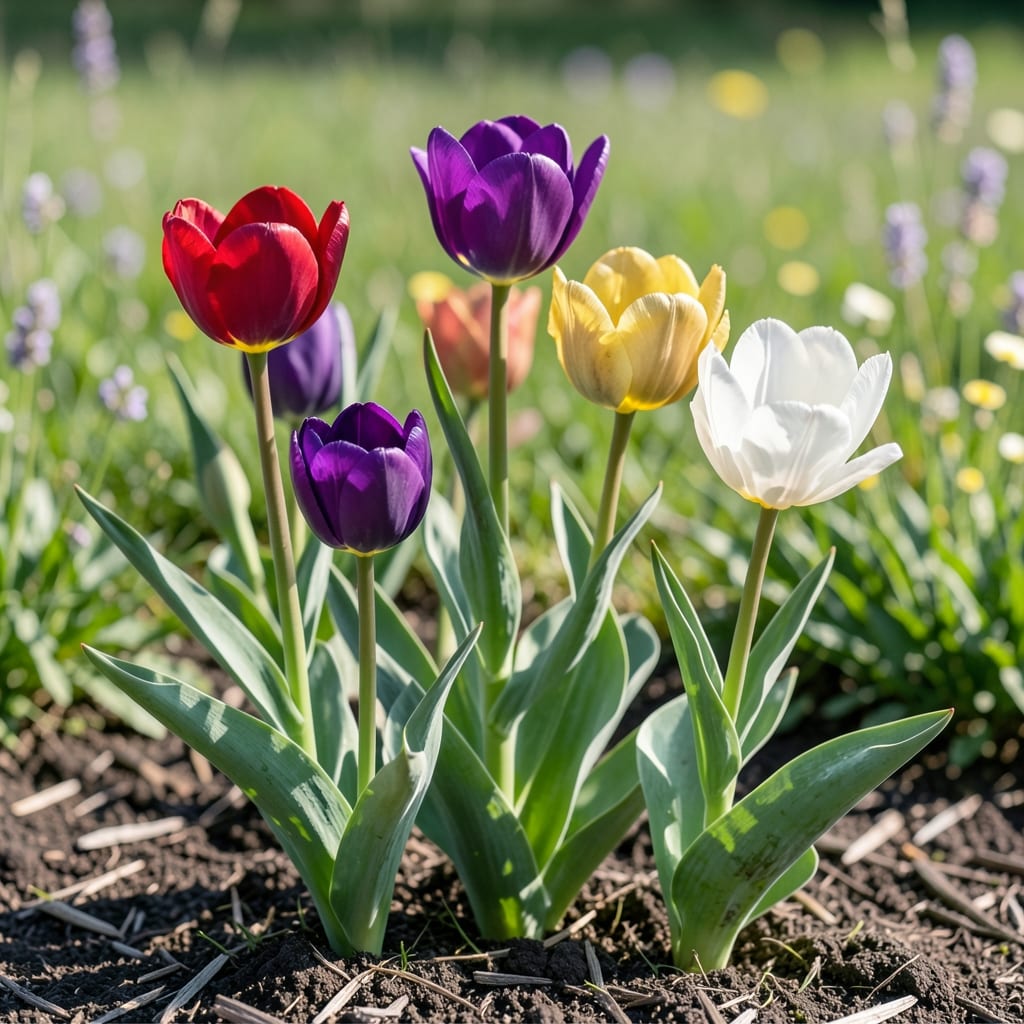
Curious about just how tall tulips can grow this spring? The answer isn’t one-size-fits-all—some varieties barely reach your knee, while others tower like elegant skyscrapers in your garden. Whether you’re dreaming of dramatic 2-foot giants or cozy 12-inch blooms, the height of your tulips depends on more than just luck.
Genetics play a starring role, but soil quality, sunlight exposure, and even when you plant those bulbs can push your tulips toward their full potential—or hold them back. I’ve seen Darwin hybrids stretch to 28 inches with the right care, while delicate species tulips stay compact at just 6 inches. The secret? Knowing which variety to pick and how to nurture it.
Let’s break down the height spectrum of tulips—from dwarf varieties perfect for containers to showstopping giants that command attention. You’ll also discover how to tweak your gardening routine to encourage (or gently control) their growth, so your tulips hit their ideal height without flopping over.
Ready to turn your garden into a tulip height showstopper? I’ll walk you through the key factors that make the difference, plus pro tips to keep your blooms sturdy and stunning. Let’s get growing!


Tulip height ranges by variety: from dwarf to giant bloomers
If you’re planning your spring garden, knowing how tall tulips grow helps you choose the perfect varieties for your space. Tulips span a dramatic range—from tiny 6-inch dwarfs to 28-inch giants. The variety you pick isn’t just about aesthetics; it determines whether your blooms will peek over a windowsill or dominate your garden bed.
I’ve grown everything from parrot tulips to Darwin hybrids, and the difference in height is staggering. Some varieties stay compact, ideal for containers or rock gardens, while others reach heights that make them perfect for cutting or dramatic borders. Let’s explore the height spectrum so you can pick tulips that fit your vision—and your garden layout.
Here’s a quick guide to the most popular tulip categories by height, with real-world examples to help you visualize their mature size. Whether you’re working with a small balcony or a sprawling backyard, these ranges will help you plan like a pro.
| Variety Category | Height Range | Examples | Best For |
|---|---|---|---|
| Dwarf Tulips | 6–12 inches | 'Tiny Star,' 'Peppermint Stick' | Containers, rock gardens, borders |
| Semi-Dwarf Tulips | 12–18 inches | 'Queen of Night,' 'Ice Cream' | Front of borders, mixed beds |
| Standard Tulips | 18–24 inches | 'Apeldoorn,' 'Red Emperor' | Cutting gardens, mid-border planting |
| Tall/Frill Tulips | 20–28 inches | 'Parrot tulips,' 'Darwin hybrids' | Back of borders, focal points |
Notice how Darwin hybrids and parrot tulips dominate the tall category? These varieties are bred for dramatic height and bold blooms, making them standout choices for garden centers. Meanwhile, species tulips like 'Tiny Star' stay low to the ground, perfect for edging or small spaces.
When selecting tulips, consider your garden’s layout. Tall varieties need space at the back of borders, while dwarf tulips shine in containers or as edging. Mixing heights creates visual interest—think of 12-inch semi-dwarfs in front of 24-inch standards for a layered, dynamic look.
Pro tip: Check the height labels on tulip bulbs at the nursery. Some hybrid varieties can vary slightly, so don’t be surprised if a 'Queen of Night' reaches 16 inches instead of 18. The key is to plant with these ranges in mind and adjust spacing accordingly.
Now that you know the height ranges, the next step is understanding how to maximize tulip growth—or gently control it if needed. Soil, sunlight, and care play huge roles in whether your tulips hit their full potential or stay on the shorter side. Let’s dive into the secrets behind tulip height control next.
🌷
What determines tulip height: soil, sunlight, and care secrets
If you’ve ever wondered why your tulips max out at 12 inches while your neighbor’s reach 28 inches, the answer lies in three critical factors: soil quality, sunlight exposure, and seasonal care. These elements work together to either fuel your tulips’ growth or hold them back—sometimes dramatically.
Start with soil conditions. Tulips thrive in well-draining, nutrient-rich soil with a pH between 6.0 and 7.0. Heavy clay or sandy soil can stunt growth, while amended soil with compost or organic matter can push heights to their full potential. I’ve seen Darwin hybrid tulips grow 30% taller in enriched soil compared to poor-quality dirt.
Next, consider sunlight exposure. Tulips crave 6+ hours of direct sunlight daily. Too little sun leads to leggy, weak stems, while full sun encourages sturdy, upright growth. If your garden gets partial shade, choose dwarf varieties like Tulipa humilis, which tolerate lower light better.
- Soil Quality: Loamy, well-draining, pH 6.0-7.0 → Max height potential
- Sunlight: 6+ hours/day → Sturdy stems, vibrant blooms
- Watering: Deep soaks weekly → Prevents flopping
- Fertilizer: Balanced NPK (5-10-10) in fall → Boosts root growth
- Planting Depth: 6-8 inches deep → Stabilizes height
Don’t overlook watering techniques. Tulips need deep, infrequent watering—about 1 inch per week—to encourage strong root systems. Overwatering can lead to mushy bulbs and weak stems, while underwatering causes stunted growth. I water mine in the early morning to reduce evaporation and fungal risks.
Timing matters too! Plant bulbs in fall (September-November) to give roots time to establish before winter. If you plant in late fall or early spring, your tulips may struggle to reach their full height. Pro tip: Add a layer of mulch (2-3 inches) after planting to insulate bulbs and retain moisture.
Finally, avoid over-fertilizing with high-nitrogen feeds, which promote leafy growth at the expense of blooms. Instead, use a balanced fertilizer (5-10-10) in early fall to support root development. Too much fertilizer can actually reduce flower size while increasing stem height—sometimes making them top-heavy and prone to flopping.
With the right conditions, even medium-height tulips can surprise you. For example, Fosteriana tulips often hit 20 inches with proper care, while Parrot tulips can stretch to 24 inches if given ideal growing conditions. The key is consistency—soil, sun, and water work together like a symphony to coax your tulips to their full potential. 🌿