
Lawn
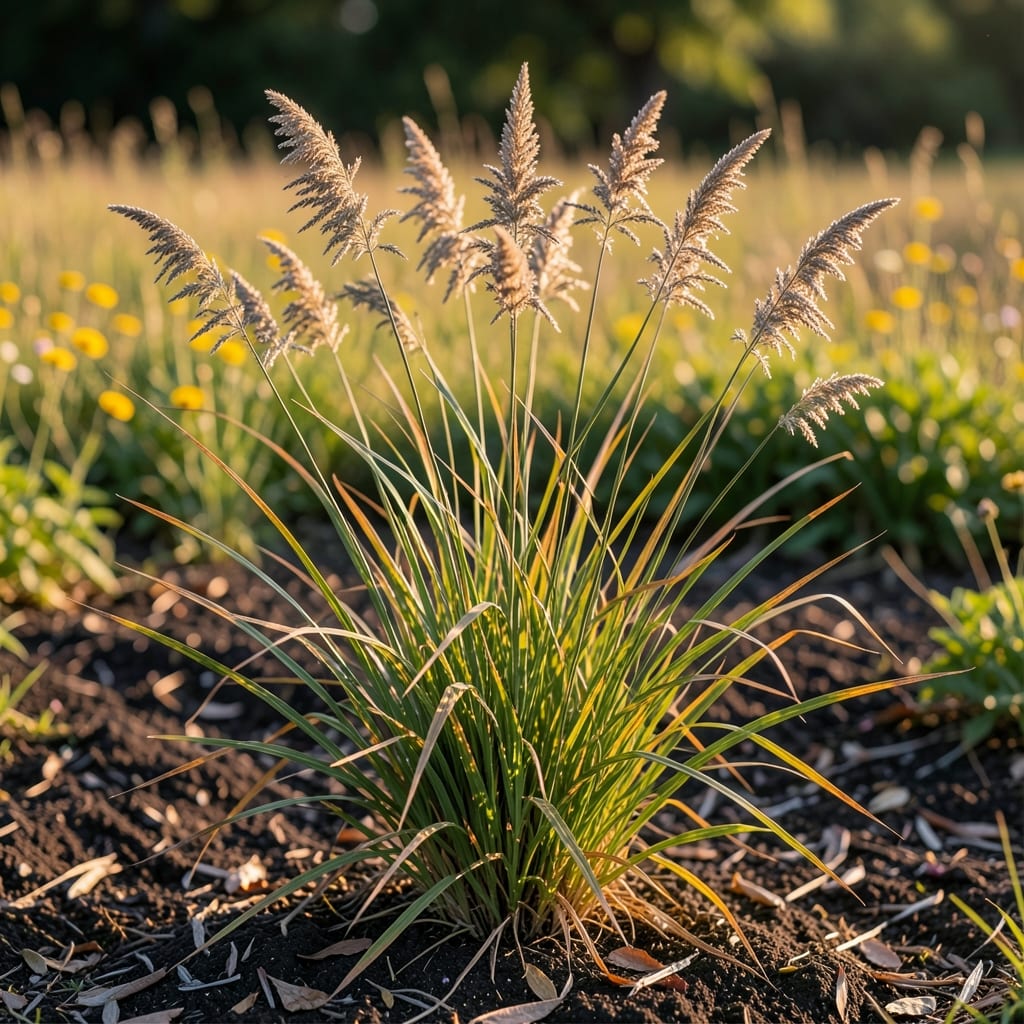
If you’ve ever wondered how tall can wild grass grow, you might be surprised to learn some species can tower over humans—even rivaling small trees! 🌿 These fast-growing giants of the plant world can reach heights that challenge what you thought possible, transforming landscapes overnight.
From the towering bamboo that shoots up 3 feet in a single day to the elephant grass that can stretch toward the sky, wild grasses defy expectations. Whether you're dealing with an overgrown yard or planning a natural border, understanding their growth potential is key to managing—or even harnessing—their power.
But why do some grasses grow so much taller than others? The answer lies in their environment, genetics, and the care they receive. In this guide, I’ll break down the fastest-growing species, the factors that fuel their height, and how you can work with (or against) their natural tendencies in your own outdoor space.
Ready to discover which wild grasses could turn your garden into a jungle—or just learn how to keep them in check? Let’s dive into the world of these record-breaking plants and find out what makes them grow so fast and so tall.


World record grass heights: tallest wild grass species explained
When it comes to how tall can wild grass grow, some species truly defy expectations by reaching heights that dwarf even the tallest garden plants. 🌱 The fastest-growing grass on Earth isn’t just a plant—it’s a bamboo that can shoot up 3 feet in a single day under ideal conditions. Imagine that: a plant growing faster than a child’s height in just 24 hours!
But bamboo isn’t the only grass that can tower over humans. The giant reed (Arundo donax) and elephant grass (Pennisetum purpureum) are also contenders, often reaching heights of 12 to 20 feet in a single growing season. These grasses aren’t just tall—they’re architectural giants that can transform landscapes overnight, making them both a gardener’s challenge and a naturalist’s marvel.
Here’s the kicker: these grasses aren’t just tall—they’re fast-growing and hardy, thriving in conditions where other plants would struggle. Whether you’re dealing with an overgrown yard or considering them for a privacy screen, understanding their height potential is key to managing—or even leveraging—their growth.
Let’s dive into the specifics. The table below breaks down the tallest wild grass species, their verified height records, and the conditions that fuel their growth. These numbers will give you a clear picture of what’s possible—and what to watch out for—in your own outdoor space.
🌿 Tallest Wild Grass Species: Height Records
| Species | Max Height | Growth Rate | Climate Preference |
|---|---|---|---|
| Bamboo (Phyllostachys spp.) | Up to 100 ft (varies by species) | 3 ft/day under ideal conditions | Tropical to temperate |
| Giant Reed (Arundo donax) | Up to 20 ft | 2-3 ft/week | Mediterranean to subtropical |
| Elephant Grass (Pennisetum purpureum) | Up to 12 ft | 1-2 ft/week | Tropical to warm temperate |
| Switchgrass (Panicum virgatum) | Up to 7 ft | 1-1.5 ft/week | Drought-tolerant |
The bamboo stands out as the undisputed champion, with some species like Phyllostachys bambusoides reaching heights of up to 100 feet in dense forests. However, in open fields or gardens, bamboo typically grows between 20 to 50 feet, depending on the species and growing conditions. This is why bamboo is often used for privacy screens or windbreaks—its rapid growth and height make it an excellent natural barrier.
On the other hand, giant reed and elephant grass are more commonly found in warmer climates and can grow just as impressively, though they may not reach the same heights as bamboo. These grasses are often used for erosion control, wildlife habitats, or even as a renewable energy source due to their fast growth and biomass production.
If you’re wondering whether these grasses can be managed in a garden setting, the answer is yes—but it requires planning. For example, bamboo can be invasive if not contained, while elephant grass is easier to manage in controlled spaces. Understanding the growth habits and environmental needs of each species will help you decide if they’re the right fit for your yard or landscape project.
One thing to keep in mind is that these grasses thrive in full sun and well-drained soil. If you’re in a region with heavy clay soil or frequent rainfall, you may need to amend the soil or choose a different species to prevent waterlogging, which can stunt growth or lead to root rot. 🌧️
For those considering these grasses for a garden, it’s also worth noting that some species, like giant reed, can spread aggressively. If left unchecked, they can quickly overtake a yard, making regular maintenance a necessity. However, their height and rapid growth make them a stunning addition to larger landscapes or naturalistic gardens.
How fast does wild grass grow: growth rates of fastest species
Wild grasses aren’t just tall—they can grow at astonishing speeds, with some species shooting up 3 feet in a single day under ideal conditions. 🌱 This rapid growth is what makes them both a gardener’s dream and a nightmare, depending on whether you want to cultivate them or control them.
The fastest-growing wild grasses include bamboo, elephant grass, and giant reed, all of which can reach their mature heights in just a few months. For example, running bamboo can spread 5-9 feet per year, while elephant grass can grow up to 1 foot per week in warm, wet climates.
But what fuels this explosive growth? The key factors are sunlight, water, and soil nutrients. These grasses thrive in full sun and well-drained soil, with plenty of moisture to support their rapid expansion. Without these conditions, their growth slows dramatically, often by 50-70%.
Growth Speed Comparison
*Growth rate under optimal conditions (full sun, consistent moisture, fertile soil).
Climate plays a huge role in how fast wild grass grows. In tropical or subtropical regions, grasses like elephant grass can grow up to 12 feet in a single season, while in cooler climates, growth may be limited to 3-6 feet per year. For instance, bamboo in Hawaii can grow twice as fast as the same species in temperate zones.
If you’re dealing with an unwanted grass invasion, understanding these growth rates helps you act faster. For example, running bamboo can spread 10 feet per year, so early removal is critical. On the other hand, if you’re planting ornamental grasses, you can harness their speed to create quick privacy screens or natural windbreaks in just a few months.
Ready to manage—or cultivate—these fast-growing giants? The key is timing and conditions. With the right approach, you can either tame the wild or let it thrive spectacularly. 🌿