
Size
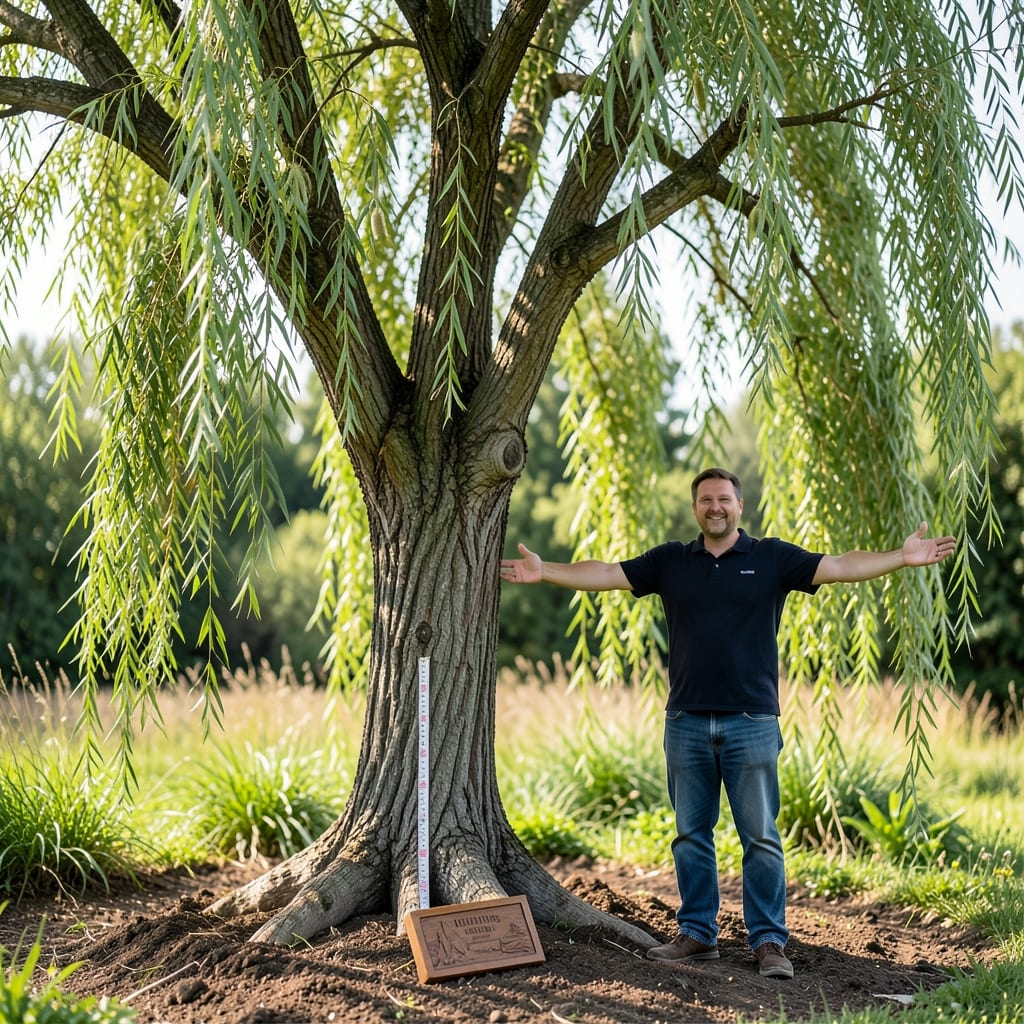
If you're dreaming of a towering 🌳 willow tree that adds drama to your landscape, you'll want to know exactly how tall these giants can grow. Some varieties stretch over 100 feet, while others stay manageable for smaller spaces—but getting it wrong could mean dealing with an unruly giant later.
The fastest-growing willow species can shoot up 5 feet per year, making them nature's speed demons. But before you plant, consider your yard's size and the specific type you choose—weeping willows create graceful arches, while black willows can become massive, shade-providing powerhouses.
What you'll discover here are the key factors that influence willow tree height, from soil quality to sunlight exposure. I'll break down the fastest-growing varieties and share practical tips for controlling growth if space is limited.
Whether you're planning a spring planting in zone 6a or curious about dwarf options, this guide ensures you pick the perfect willow for your space—without ending up with a tree that outgrows your yard in just a few years.


Willow tree height by species: fastest-growing varieties and their maximum heights
Willow trees are famous for their rapid growth, but their mature heights vary dramatically by species. Some varieties can reach over 100 feet in ideal conditions, while others stay manageable for smaller yards. Understanding these differences helps you choose the perfect willow for your space and climate.
If you're dreaming of a towering shade provider, species like the Black Willow or Alba Willow can exceed 50 feet with their fast growth rates. Meanwhile, dwarf varieties like the Weeping Willow (Salix babylonica) stay between 15-30 feet, making them ideal for urban gardens or containers.
The fastest-growing willow species can add 3-6 feet per year under optimal conditions. For example, the Crack Willow (Salix fragilis) can grow up to 10 feet annually in its first decade, reaching heights of 60-80 feet in ideal environments.
Here’s how the most popular willow varieties compare in terms of height and growth speed:
| Species | Average Height | Max Height | Growth Rate | Best For |
|---|---|---|---|---|
| Weeping Willow (Salix babylonica) | 20-30 ft | 50+ ft | 3-5 ft/year | Ponds, large yards |
| White Willow (Salix alba) | 30-50 ft | 80+ ft | 4-6 ft/year | Rural landscapes, windbreaks |
| Black Willow (Salix nigra) | 30-50 ft | 60+ ft | 5-7 ft/year | Wetlands, large properties |
| Crack Willow (Salix fragilis) | 40-60 ft | 80+ ft | 6-10 ft/year | Fast privacy screens |
| Dwarf Willow (Salix purpurea) | 5-10 ft | 15 ft | 1-2 ft/year | Containers, small gardens |
For gardeners with limited space, dwarf varieties like Purple Osier Willow (Salix purpurea) or Golden Willow (Salix alba 'Vitellina') are excellent choices. These stay under 10-15 feet and grow at a more manageable 1-2 feet per year, making them perfect for urban gardens or containers.
If you're planting near a pond or water feature, the Weeping Willow is a classic choice. Its graceful, drooping branches can create stunning reflections, but remember—it needs plenty of space to avoid overcrowding nearby plants.
In rural or agricultural settings, taller varieties like the White Willow or Black Willow excel as windbreaks or living fences. Their rapid growth helps establish privacy quickly, but their extensive root systems require well-drained soil to prevent waterlogging.
Pro tip: Always check your local climate zone before planting. Willow trees thrive in USDA Zones 4-9, but their growth rate slows in colder regions. In warmer climates, they may grow even faster with consistent moisture.
🌳
Space planning for willow trees: how to choose the right species for your yard
Choosing the right willow tree for your space starts with understanding its mature height and root spread. Unlike many trees, willows develop extensive root systems that can spread 2-3 times their canopy width, making them invasive if not properly managed. For example, a Weeping Willow with a 30-foot canopy may have roots extending 60 feet or more.
If you have a small urban yard, opt for dwarf varieties like Purple Osier Willow (Salix purpurea), which tops out at 10-15 feet and grows slowly. These are perfect for containers or small gardens where space is limited. For larger properties, taller species like Black Willow or White Willow can reach 50-80 feet, providing dramatic shade and privacy.
🌳
📌 Key Takeaways for Space Planning
- Dwarf varieties: 5-15 ft (ideal for containers, small yards)
- Standard varieties: 30-50 ft (best for large properties, ponds)
- Root spread: 2-3x canopy width (plant 20+ ft from structures)
- Sunlight needs: Full sun (6+ hours/day) for fastest growth
- Soil preference: Moist, well-drained soil (avoid waterlogged areas)
💡 Pro Tip: Always check local building codes before planting near structures—willow roots can damage foundations if too close.
For urban landscapes, consider container planting with dwarf varieties. Use a large pot (at least 2 feet deep) with drainage holes and a moisture-retentive potting mix. Prune regularly to control height, and choose a spot with full sun exposure to encourage healthy growth. In rural settings, taller willows like White Willow make excellent windbreaks or living fences.
When planting near water features, the Weeping Willow is a classic choice, but ensure it has ample space to spread its roots without crowding nearby plants. If your yard has clay soil, amend it with compost or sand to improve drainage—willows hate soggy roots. For sandy soil, mulch heavily to retain moisture and slow growth if needed.
Finally, always prune in late winter or early spring to shape your willow and control its size. Remove suckers or unwanted branches at the base to redirect energy toward the main trunk. With the right planning, you can enjoy a stunning willow tree without it becoming a space invader.
☀️