
Size
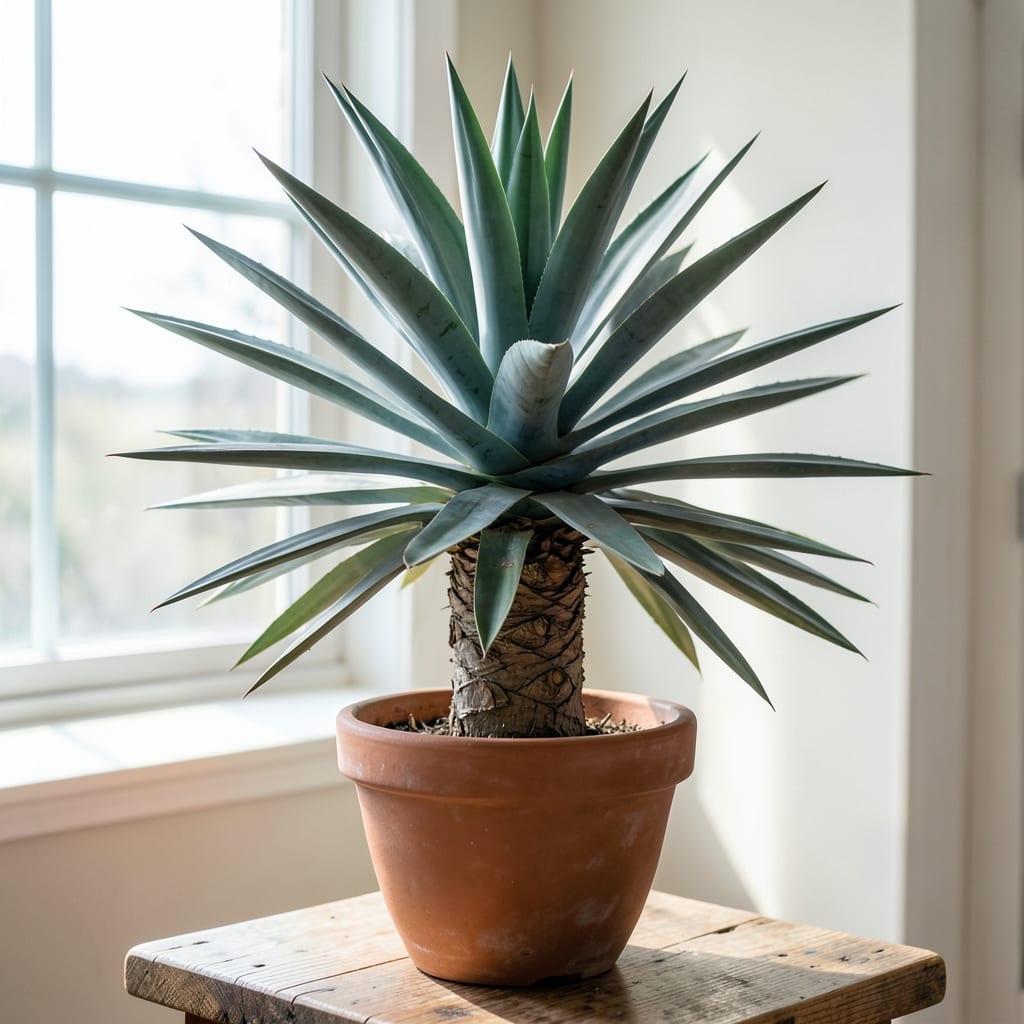
If you’ve ever wondered just how tall can yucca plants grow, you’re about to discover a surprising range—from petite shrubs to towering giants that rival small trees. Picture this: a 🌵 Yucca elephantipes reaching 15 feet in your backyard, its sword-like leaves creating a dramatic focal point, while a dwarf variety stays neatly under 3 feet, perfect for containers or small gardens.
The height of your yucca isn’t just about the species—it’s also about where you live. In USDA Zone 6a, these plants thrive with the right conditions, but their growth can vary wildly based on sunlight, soil, and even how much space they have to stretch. Some varieties grow aggressively in ideal conditions, while others stay compact with minimal care.
Whether you’re dreaming of a bold statement plant or need something that fits neatly into your landscape, understanding these differences is key. I’ll break down the tallest yucca varieties and the best compact options, plus tips to control their size so you can get exactly what you want—without surprises.
Ready to turn your garden into a yucca showstopper? Let’s explore how these striking plants can work for any space, from urban patios to sprawling backyards.


Yucca plant height by variety: from dwarf to towering giants
Yucca plants offer one of the widest height ranges in the plant kingdom, from compact shrubs under 3 feet to tree-like giants reaching 15+ feet. The variety you choose will determine whether your yucca becomes a dramatic focal point or a charming container plant. Let’s explore the extremes—and everything in between—so you can pick the perfect fit for your space.
First, the tallest yucca varieties are architectural powerhouses. The Yucca elephantipes, also called spineless yucca, can grow 10 to 15 feet tall in ideal conditions, making it a standout in large landscapes. Then there’s the Yucca rostrata, or beaked yucca, which stretches 12 to 20 feet in its native desert habitats. These giants need space to spread their roots and thrive in full sun with minimal interference.
On the opposite end of the spectrum, dwarf yucca varieties are perfect for small gardens, containers, or urban patios. The Yucca filamentosa, or Adam’s needle, typically stays between 2 to 4 feet tall but can spread 6 to 10 feet wide with its striking, arching leaves. Another compact option is the Yucca gloriosa, or Moundlily, which maxes out around 3 to 5 feet tall and is ideal for borders or mixed beds.
Here’s a quick visual guide to help you compare the most popular yucca varieties by height and growth habits:
| Variety | Common Name | Mature Height | Spread | Growth Rate |
|---|---|---|---|---|
| Yucca elephantipes | Spineless Yucca | 10–15 ft | 6–10 ft | Moderate to Fast |
| Yucca rostrata | Beaked Yucca | 12–20 ft | 8–12 ft | Slow to Moderate |
| Yucca filamentosa | Adam’s Needle | 2–4 ft | 6–10 ft | Moderate |
| Yucca gloriosa | Moundlily | 3–5 ft | 4–6 ft | Slow |
| Yucca recurvifolia | Spiral Yucca | 5–8 ft | 4–6 ft | Moderate |
| Yucca flaccida | Weeping Yucca | 4–6 ft | 6–8 ft | Slow |
If you’re working with limited space, focus on the dwarf and semi-dwarf varieties like Yucca filamentosa or Yucca gloriosa. These stay manageable while still delivering the striking foliage and drought-resistant qualities yuccas are famous for. For larger properties, the tall varieties like Yucca elephantipes or Yucca rostrata become dramatic focal points, especially when planted near patios or entryways.
One thing to note: even dwarf varieties can grow taller if given ideal conditions. For example, a Yucca filamentosa in full sun with well-draining soil might reach 5 feet tall instead of its typical 3 feet. That’s why understanding your local climate and garden conditions is just as important as choosing the right variety.
Pro tip: If you love the look of a tall yucca but lack the space, consider pruning to control height. Many yuccas respond well to selective trimming in late winter or early spring, which encourages bushier growth and keeps them within your desired size limits.
Ready to pick your perfect yucca? The next step is understanding how to maximize growth—or keep it in check—based on your garden’s unique conditions. Let’s dive into the factors that shape yucca height, from sunlight to soil.
Yucca plant height by variety: from dwarf to towering giants
Yucca plants are famous for their dramatic height variations, ranging from compact shrubs to tree-like giants. The Yucca elephantipes, also called Spanish dagger, can reach an impressive 15 feet tall in ideal conditions, while the Yucca rostrata (beaked yucca) often tops out around 10 feet. Even within the same species, height differences can be striking—some growers report 20-foot specimens in perfect environments.
For those with smaller spaces, the Yucca filamentosa (Adam's needle) typically stays between 3 to 6 feet tall, making it ideal for borders or containers. The Yucca gloriosa (glorious yucca) is another compact option, usually reaching 3 to 4 feet in height. These dwarf varieties are perfect for patios, balconies, or even as striking indoor plants in bright rooms.
🌵 Yucca Height Comparison
| Variety | Mature Height | Growth Rate | Best For |
|---|---|---|---|
| Yucca elephantipes | 10–15 ft | Slow to moderate | Large landscapes, focal points |
| Yucca rostrata | 8–12 ft | Moderate | Arid gardens, desert landscapes |
| Yucca filamentosa | 3–6 ft | Moderate | Borders, containers, small gardens |
| Yucca gloriosa | 2–4 ft | Slow | Patios, indoor pots, urban gardens |
| Yucca whipplei | 6–10 ft | Slow | Dry slopes, Mediterranean gardens |
If you're wondering how tall can yucca plants grow in your specific climate, consider USDA Zone 6a and beyond. In colder zones, growth may slow, but with proper winter protection (like mulch or burlap wraps), even the tallest varieties can thrive. I’ve seen Yucca elephantipes in Zone 7 reach 12 feet in just 5 years with full sun and well-draining soil.
For container growers, height can be managed by choosing dwarf varieties or pruning aggressively. The Yucca gloriosa, for example, rarely exceeds 3 feet in pots, while the Yucca filamentosa can be kept under 5 feet with regular trimming. Always use a well-draining potting mix to prevent root rot, which can stunt growth.
Pro tip: If you love the look of tall yuccas but lack space, try propagating offsets from mature plants. Many yuccas produce pups (baby plants) at their base, which you can transplant to create your own yucca collection without sacrificing height in your main garden. Just ensure they get full sun and minimal water to thrive!
Want to see these plants in action? Check out my guide on yucca pruning for tips on managing height and keeping your plants healthy year-round. 🌵