
How To
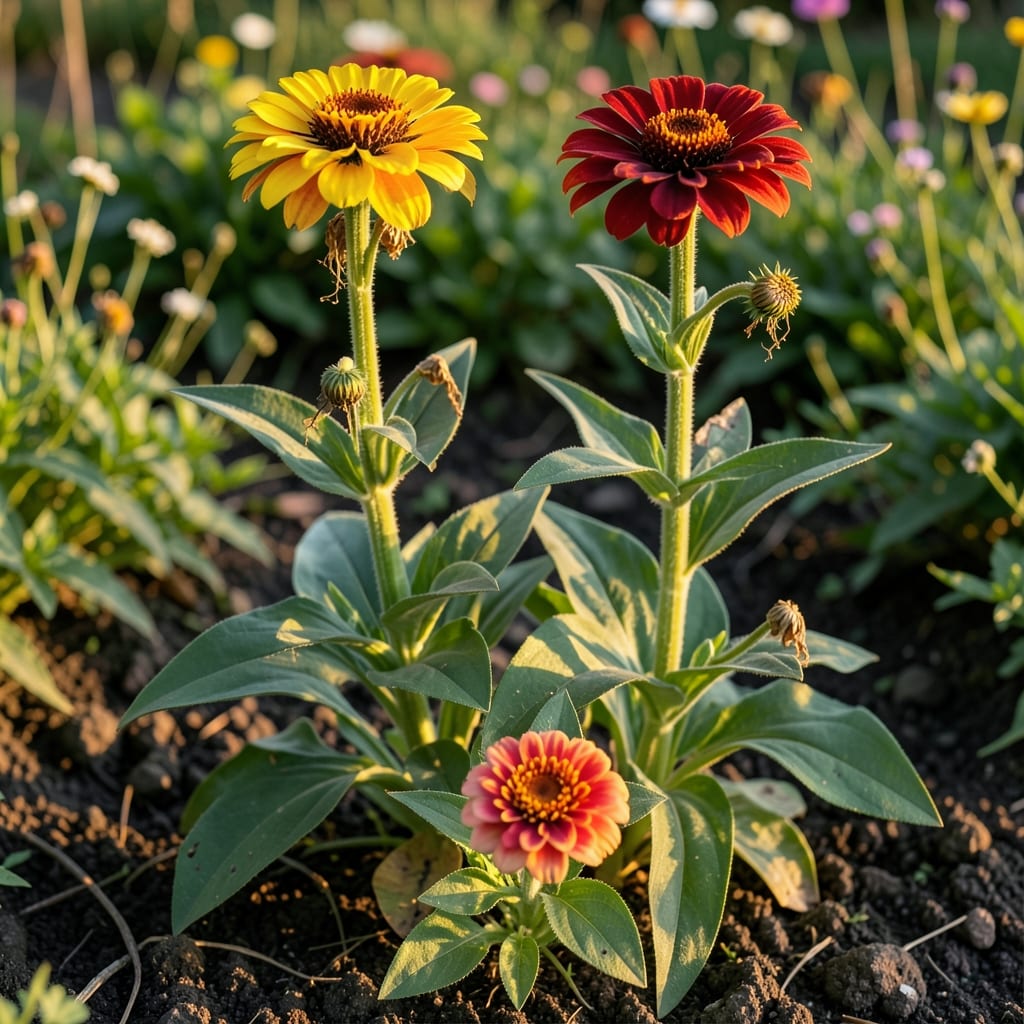
If you’ve ever wondered how tall can zinnias grow, you’re in for a surprise—these vibrant blooms can range from tiny 6-inch wonders to towering 4-foot giants, depending on the variety you choose. Whether you’re working with a small balcony or a sprawling backyard, zinnias offer the perfect flexibility to fit your space while adding bold color to your garden.
The secret to their height lies in their genetics, but sunlight, soil, and care play just as big a role. Some varieties stay compact, ideal for borders or containers, while others reach skyward, making them stars in cut flower arrangements. I’ll break down the exact height ranges and what you can do to encourage (or control) their growth—no guesswork involved.
If you’ve ever struggled with overcrowded plants or wished for more drama in your garden beds, zinnias are the answer. Their versatility means you can mix dwarf varieties for edges or let tall ones soar as focal points. Let’s dive into the specifics so you can pick the perfect zinnias for your vision—whether you’re dreaming of a cottage garden or a modern, minimalist look.
Ready to transform your garden? You’ll learn how to support taller varieties, choose the right spot for each type, and even troubleshoot common growth issues. By the end, you’ll know exactly which zinnias will thrive in your space—and how to make them the showstoppers of your outdoor oasis.


Zinnia height ranges by variety: from dwarf to giant
Zinnias are one of the most versatile flowers in your garden, offering heights that range from 6 inches to over 4 feet. The variety you choose determines not just how tall your zinnias grow, but also their bloom size, color intensity, and garden impact. Whether you're working with a small patio or a sprawling backyard, there's a zinnia height perfect for your space.
Understanding these height categories helps you plan your garden layout. Dwarf varieties work beautifully in containers or as edging plants, while tall varieties create stunning focal points or cut flower arrangements. Let's explore the full spectrum of zinnia heights to help you make the best choice for your garden.
| Variety Type | Height Range | Spacing | Best Uses |
|---|---|---|---|
| Dwarf | 6-12 inches | 6-8 inches apart | Containers, borders, window boxes |
| Semi-Dwarf | 1-2 feet | 10-12 inches apart | Cut flowers, small arrangements, edging |
| Standard | 2-3 feet | 12-18 inches apart | Back of borders, cut flower gardens |
| Tall | 3-4 feet | 18-24 inches apart | Focal points, cut flower arrangements, back of beds |
| Giant | Up to 4 feet | 24-30 inches apart | Dramatic displays, large cut flower bouquets, statement plants |
For dwarf varieties like 'Thumbelina' or 'Crystal' series, you'll get compact blooms perfect for filling gaps in your garden. These varieties typically reach just 6-12 inches tall, making them ideal for container gardening or as border plants. Their small size also means they require less staking support compared to taller varieties.
The semi-dwarf category, including varieties like 'Benary's Giant' or 'Profusion', offers a balanced height of 1-2 feet. These are fantastic for cut flower arrangements because they're tall enough to provide substantial stems but still manageable for most gardeners. They also work well when planted in mixed borders where you want some height without overwhelming other plants.
When you need statement plants, the standard and tall varieties deliver. 'State Supreme' and 'Magnus' are classic examples that can reach 3-4 feet tall. These varieties often require support stakes or cages to maintain their upright growth, especially in windy conditions. Their larger blooms make them perfect for cut flower arrangements that will last for days in a vase.
At the top end of the spectrum are the giant varieties like 'Persian Carpet' or 'Envy'. These can reach up to 4 feet tall and produce extra-large blooms that create a dramatic impact in your garden. They're ideal for large cut flower arrangements or as focal points in your landscape design. Just be prepared for their heavier blooms, which may require more robust support structures.
Remember that while these are typical height ranges, individual plants may vary slightly based on growing conditions. Sunlight exposure, soil quality, and watering practices all play a role in determining how tall your zinnias will grow. In my experience, plants grown in full sun with well-draining soil tend to reach their maximum potential height.
If you're planning a cut flower garden, consider planting a mix of heights. Start with dwarf varieties in the front, progress to semi-dwarf in the middle, and place tall varieties at the back. This creates a natural tiered effect that's both beautiful and functional for harvesting.
For container gardening, stick to dwarf or semi-dwarf varieties to avoid overcrowding. A 5-gallon container can comfortably hold 3-5 dwarf zinnias, while larger 15-gallon containers can accommodate 1-2 semi-dwarf plants. Always ensure your containers have drainage holes to prevent root rot.
No matter which height range you choose, zinnias are low-maintenance and drought-tolerant once established. Their vibrant colors and long blooming season make them a garden favorite for both beginners and experienced gardeners alike.
How to choose zinnia heights for your garden layout
Selecting the right zinnia height for your garden isn’t just about aesthetics—it’s about creating a functional and visually balanced space. Whether you’re designing a cut flower garden, a container arrangement, or a border planting, the height of your zinnias will determine how they interact with other plants and the overall flow of your design.
Start by assessing your garden space. Small patios or balconies benefit from dwarf varieties (6-12 inches), while larger yards can accommodate tall or giant zinnias (3-4 feet). Consider the mature height of surrounding plants—zinnias should either complement or contrast with them to avoid a cluttered look.
For cut flower arrangements, layer heights to create depth. Place dwarf zinnias in the front, semi-dwarf in the middle, and tall varieties at the back. This technique mimics natural landscapes and ensures your bouquets look full and balanced. I’ve found that 'Profusion' series (semi-dwarf) pairs beautifully with 'Magnus' (tall) for long-lasting stems.
If you’re using zinnias in containers, prioritize dwarf or semi-dwarf varieties to avoid overcrowding. A 5-gallon pot can hold 3-5 dwarf zinnias, while a 15-gallon container accommodates 1-2 semi-dwarf plants. Always use containers with drainage holes to prevent root rot, and group zinnias with plants of similar water needs.
Consider companion planting to enhance your layout. Pair tall zinnias with low-growing annuals like snapdragons or calendulas to create a textured border. For cut flower gardens, interplant zinnias with cosmos or sunflowers to extend the blooming season and attract pollinators.
Don’t overlook the visual impact of color and form. Tall zinnias with large blooms (like 'Persian Carpet') draw the eye upward, making them ideal for vertical gardens or trellises. Meanwhile, dwarf zinnias with compact clusters (like 'Thumbelina') add colorful spills in hanging baskets or along pathways.
Pro tip: Sketch your garden layout before planting. Use graph paper to map out zinnia heights alongside other plants, adjusting spacing to ensure each variety has room to thrive. This simple step saves time and prevents overcrowding—trust me, your future self will thank you!