
How To
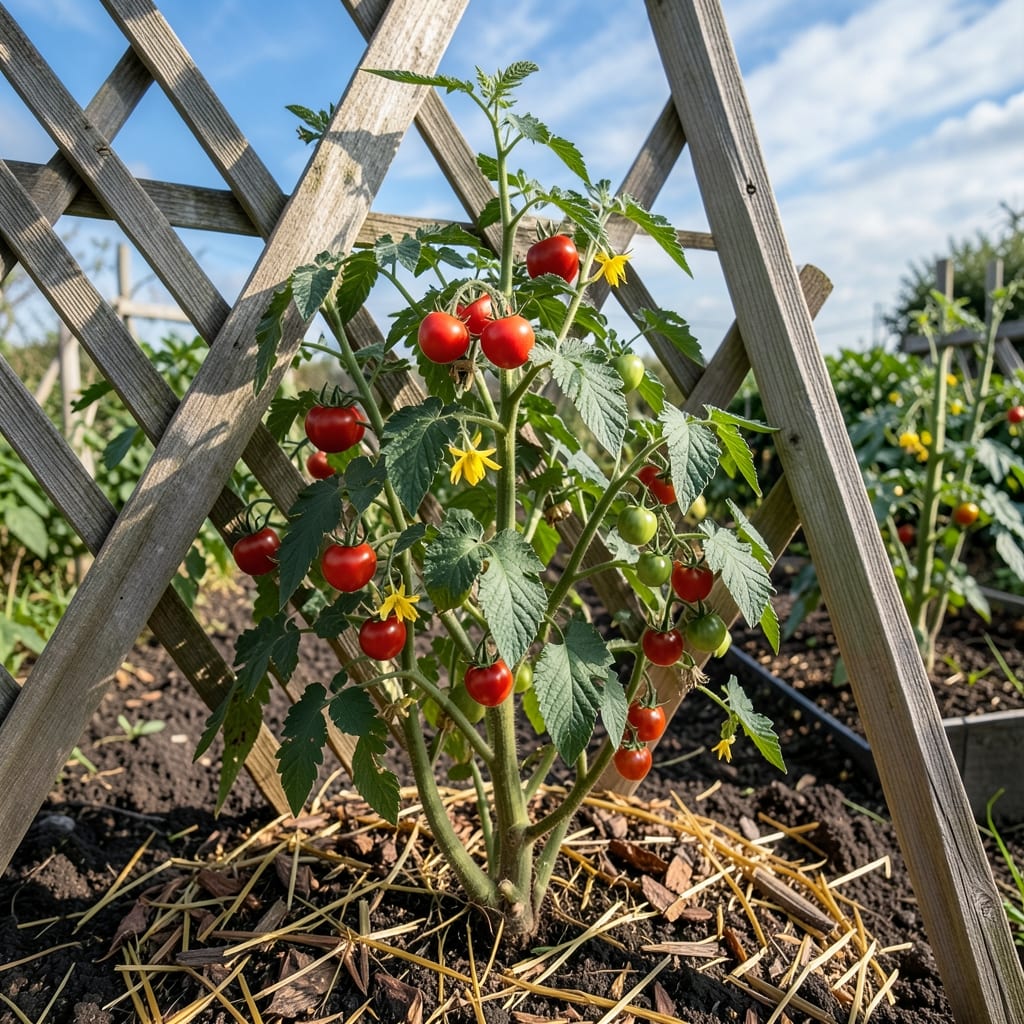
Wondering how tall cherry tomatoes grow before you plan your garden? These little powerhouses can climb like vines or stay compact like bushes—it all depends on the variety and care you give them. Whether you're working with limited space or dreaming of a lush vertical garden, understanding their growth habits is the key to maximizing your harvest.
From 2-foot dwarf varieties perfect for containers to towering 6-foot vines that need sturdy trellises, cherry tomatoes (🍅) offer surprising versatility. The right support can turn a sprawling mess into a neat, high-yielding display while protecting your fruit from soil-borne diseases. Let’s break down what you need to know to help your plants reach their full potential—without taking over your backyard.
You might think all tomatoes grow the same way, but determinate and indeterminate types behave completely differently. One stays bushy and self-supporting, while the other keeps growing until frost—if you let it. I’ll show you how to choose the right variety for your space and how simple adjustments like pruning or trellising can transform your yield. Ready to grow taller (and tastier) tomatoes?
This guide covers everything from variety height charts to container setups and trellis tricks, so you can stop guessing and start growing with confidence. Whether you’re a first-time gardener or a seasoned pro, these insights will help you get the most out of your cherry tomato plants—no matter how much (or little) vertical space you have.


Cherry tomato variety height chart: compact vs. vining types
Cherry tomatoes aren’t just delicious—they’re also surprisingly versatile when it comes to growth height. Some varieties stay compact and bushy, perfect for containers, while others vine aggressively, reaching heights that rival small trees. Understanding these differences helps you plan your garden layout, choose the right support structures, and maximize your harvest.
Most cherry tomatoes fall into two main categories: determinate (bush types) and indeterminate (vining types). Determinate varieties grow to a predictable height—usually between 2 and 4 feet—and produce fruit all at once. Indeterminate types, on the other hand, keep growing throughout the season, often climbing 6 feet or taller if given proper support. Let’s break down the most popular varieties and their growth habits.
If you’re growing cherry tomatoes in containers, choose determinate varieties like Tiny Tim or Sweet 100. These stay compact, making them ideal for 5-gallon pots or hanging baskets. For vertical gardens or small spaces, indeterminate types like Sungold or Super Sweet 100 thrive on trellises, saving ground space while producing abundant fruit.
One key factor that influences height is pruning. Indeterminate varieties benefit from regular pruning to encourage upward growth and improve air circulation. Remove suckers (the small shoots that form in the leaf axils) to redirect energy to the main stem and fruit production. This can help indeterminate plants reach their full height potential while maintaining strong, healthy vines.
Another consideration is your climate zone. In warmer regions (USDA zones 8-10), indeterminate varieties can grow even taller due to longer growing seasons. In cooler zones (6-7), they may stay shorter unless you provide season extension with row covers or greenhouses. Always check the seed packet recommendations for specific guidance tailored to your area.
For container gardening, ensure your pots have drainage holes and are at least 12 inches deep to accommodate roots. Larger containers (15+ gallons) support taller varieties better. If you’re using cages or stakes, install them early—before the plant gets too heavy—to avoid damaging roots or vines. A 5
How to maximize growth height in containers and trellises
If you’ve ever watched a cherry tomato vine stretch toward the sky like a hungry astronaut, you know these plants aren’t just cute—they’re vertical growth machines. With the right techniques, you can coax even dwarf varieties to reach their full height potential, while giving indeterminate types the support they crave to climb higher than your fence. The key? A mix of smart pruning, sturdy structures, and a little extra TLC for their roots and leaves.
I’ve trained cherry tomatoes to hit 6 feet in containers (yes, really!) by combining proper trellising with regular pruning. The secret isn’t just tying them up—it’s about encouraging upward growth while keeping the plant healthy. Overcrowded leaves or weak stems won’t just limit height; they’ll also reduce your harvest. Let’s break down the steps to turn your cherry tomatoes into sky-scraping superstars—whether you’re working with a 5-gallon pot or a backyard trellis.
Before you even plant, choose the right support structure for your variety. Indeterminate types need tall trellises or stakes (think 6–8 feet), while determinate bushes can thrive in sturdy cages (4–5 feet). For containers, opt for fabric pots with handles or vertical pocket planters to save space. Pro tip: If you’re growing in pots, add a tomato cage with a trellis extension—it’s a game-changer for height.
🌱 Step-by-Step Guide to Maximizing Cherry Tomato Height
- Step 1: Choose the Right Container – Use pots at least 12 inches deep with drainage holes. Larger containers (15+ gallons) support taller growth by preventing root binding.
- Step 2: Install a Trellis Early – Bury a stake or trellis at planting (6–8 inches deep) to avoid root damage later. For containers, use a removable trellis tied to the pot’s rim.
- Step 3: Prune Strategically – Remove suckers (side shoots) regularly to redirect energy upward. Keep only the main stem and top leaves for photosynthesis.
- Step 4: Train Vines Weekly – Gently weave vines through trellis openings as they grow. Use soft ties (like old T-shirts) to avoid stem damage.
- Step 5: Fertilize for Height – Use a balanced fertilizer (10-10-10) every 4–6 weeks, focusing on potassium to boost vine strength.
- Step 6: Water Deeply – Soak the soil every 2–3 days (daily in heatwaves) to prevent stunted growth from drought stress.
One common mistake I see is waiting too long to prune. If you let suckers grow unchecked, they’ll steal energy from your main stem, capping height at just 3–4 feet. Instead, pinch off suckers (the small shoots in the leaf axils) every 1–2 weeks. This might seem tedious, but it’s what turns a 4-foot vine into a 6-foot tower of tomatoes.
For container-grown tomatoes, root health is everything. Use a lightweight potting mix with added compost, and consider mycorrhizal fungi to boost root development. If your tomatoes start leaning or look leggy, they’re begging for more light. Move containers to a south-facing window or supplement with a grow light for 12+ hours daily.
Remember, the goal isn’t just height—it’s healthy, productive growth. A 6-foot vine with weak stems or yellow leaves won’t yield much. Balance pruning with regular harvesting (pick ripe tomatoes often!) and mulch the soil to retain moisture. With these tweaks, your cherry tomatoes will reach their full potential—whether you’re growing them in a balcony planter or a backyard garden.