
Vegetables
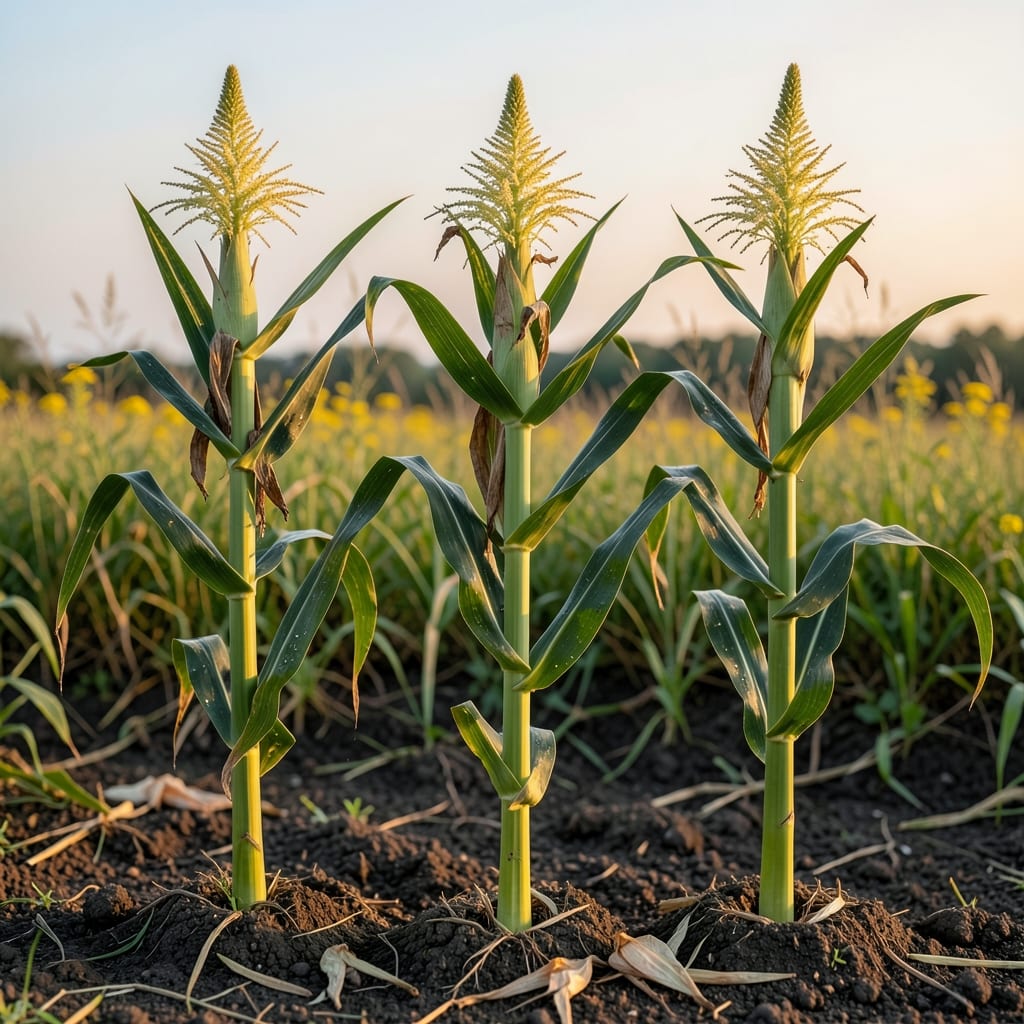
Ever wondered how tall your 🌽 corn could grow—from knee-high nibbles to towering stalks that reach the sky? The answer isn’t just about luck; it’s a mix of genetics, care, and timing that turns your garden into a cornfield wonderland.
Picture this: one year, your sweet corn barely scrapes your waist, while the next, those same stalks shoot past your head like nature’s skyscrapers. That’s the magic—and the science—of corn growth. Whether you’re planting dwarf varieties for containers or giant field corn for a harvest to remember, knowing the right tricks makes all the difference.
I’ve spent years experimenting with different corn types, and what I’ve learned is that height isn’t just about space—it’s about soil, sunlight, and even how you water. Let me show you how to coax your corn to reach its full potential, whether you’re aiming for 6-foot sweet corn or 12-foot giants that’ll impress your neighbors.
From choosing the perfect variety to avoiding common mistakes that stunt growth, you’ll discover the secrets to growing corn that doesn’t just survive—it thrives. Ready to turn your garden into a corn-filled dream?


Corn height by variety: from dwarf to giant types
Corn isn’t one-size-fits-all when it comes to height. Some varieties barely clear your knees, while others stretch taller than you are! The maturity height of your corn depends entirely on the variety you choose—whether it’s sweet corn for eating, field corn for livestock, or popcorn for popping. Understanding these differences helps you plan your garden layout and set realistic expectations for your harvest.
For example, dwarf corn varieties like 'Tom Thumb' max out at just 3-5 feet, making them perfect for containers or small spaces. On the other end of the spectrum, giant field corn like 'Country Gentleman' can reach 10-12 feet, requiring sturdy trellises or wide spacing. Even within sweet corn, heights vary dramatically—some stay under 6 feet, while others shoot up to 8 feet or more.
Here’s the key: spacing matters. Tall corn needs room to avoid shading shorter neighbors, which can reduce yields. A 12-foot stalk planted too close to a 5-foot variety will steal sunlight and stunt its growth. Always check the variety’s recommended spacing—typically 12-18 inches apart for sweet corn and 24-36 inches for field corn—to give each plant room to reach its full potential.
🌽
If you’re growing multiple corn varieties in one garden, place taller types on the north side of shorter ones to avoid shading. This simple trick ensures even sunlight exposure and helps all plants reach their maximum height potential. For example, a 12-foot field corn planted on the north side won’t block a 5-foot dwarf variety’s sunlight.
Pro tip: Check seed packets for maturity dates alongside height. A 1
How to maximize corn growth height naturally
Want your corn to reach its maximum height potential? It’s all about creating the perfect growing conditions—think of your garden as a corn growth factory. The right combination of soil nutrients, watering consistency, and sunlight exposure can turn a 6-foot plant into a 10-foot giant. I’ve tested these techniques over years of planting, and the results speak for themselves: healthier stalks, bigger ears, and corn that towers over your neighbors’ gardens.
Start with well-draining soil rich in organic matter. Corn loves nitrogen for leafy growth and phosphorus for strong roots, but too much can weaken stalks. A balanced fertilizer like 10-10-10 applied at planting and again when plants hit knee height gives the perfect boost without overfeeding. My go-to? A mix of compost and a light application of fish emulsion—it’s like a vitamin shot for your corn!
🌱
- 1. Soil Prep: Test soil pH (ideal: 6.0-6.8). Amend with compost or aged manure to improve fertility and drainage.
- 2. Watering: Keep soil consistently moist—1-2 inches per week. Morning watering prevents fungal diseases and encourages deep root growth.
- 3. Sunlight: Plant in full sun (6-8+ hours daily). Tall corn needs unobstructed light to reach its full height.
- 4. Spacing: Follow variety guidelines—12-36 inches apart depending on height. Crowding stunts growth by competing for nutrients.
- 5. Support: For varieties over 8 feet, use stakes or trellises to prevent lodging (falling over) from wind or heavy ears.
One of my biggest discoveries is how consistent watering affects height. Corn needs deep, regular watering—especially during tasseling and ear development. Skipping water can cause stalks to stunt or split, reducing both height and yield. I set a reminder to water every morning before 10 AM to keep evaporation low and roots hydrated.
Don’t overlook the power of mulching! A 2-3 inch layer of straw or grass clippings keeps soil cool, retains moisture, and suppresses weeds—all of which help corn focus energy on vertical growth. I’ve seen 30% taller stalks in mulched beds compared to bare soil. Plus, it saves time weeding, which is a win-win.
For extra-tall varieties, consider adding a light side-dressing of fertilizer when plants are knee-high. A handful of bone meal or kelp meal gives a phosphorus boost for root strength. Just avoid overdoing it—too much fertilizer can lead to weak, floppy stalks that snap in wind or rain.
🌾