
Size
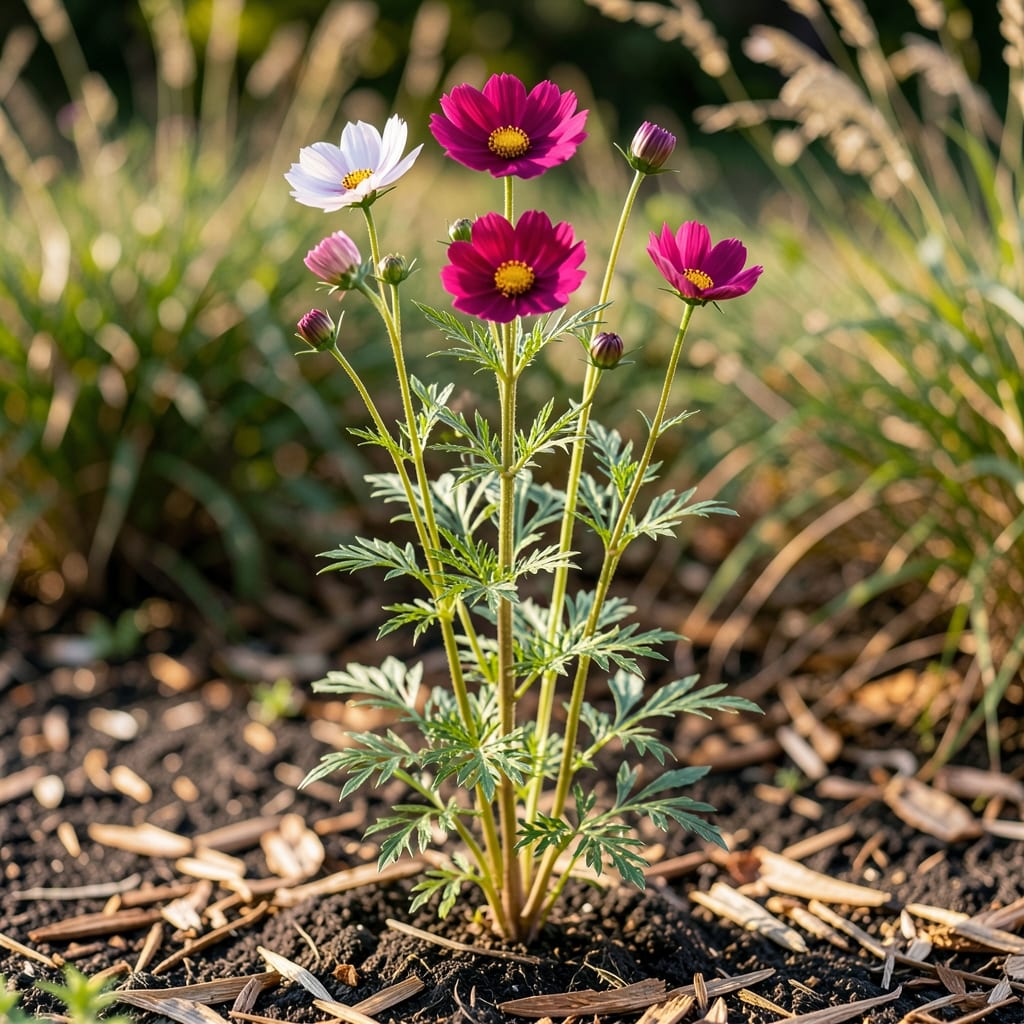
If you’ve ever wondered how tall cosmos grow in your garden, you’re not alone—these cheerful 🌼 blooms can surprise you with their range, from dainty 12-inch dwarfs to towering 6-foot giants. The right variety and care make all the difference, turning your garden into a vibrant vertical display. Whether you’re planning a border or a cut-flower patch, knowing the height secrets of cosmos will help you space them perfectly for maximum impact.
Some cosmos varieties, like the classic Cosmos bipinnatus, reach 3-5 feet tall, while others, such as Cosmos sulphureus, can stretch even higher—up to 6 feet—if given the right conditions. But don’t worry if space is limited; dwarf cosmos stay compact at just 1-2 feet, making them ideal for containers or small gardens. The key? Sunlight, soil, and a little pruning know-how to keep them thriving.
In this guide, we’ll break down the exact heights of popular cosmos varieties, share spacing secrets to prevent overcrowding, and show you how to support tall stems without sacrificing those stunning blooms. Whether you’re a first-time gardener or a seasoned pro, these tips will help you grow cosmos that reach their full potential—without taking over your space.
Ready to transform your garden with cosmos that bloom taller, fuller, and more vibrant? Let’s dive into the varieties, care tricks, and everything else you need to know to get the perfect height every time.


Cosmos height chart: comparing tall, medium, and dwarf varieties
Choosing the right cosmos variety is the first step to achieving your dream garden height. These flowers come in three main categories: dwarf cosmos (12–18 inches), medium cosmos (24–36 inches), and tall cosmos (48–72 inches). Each type thrives in different spaces, from window boxes to towering backyards. Let’s break down the exact heights and characteristics so you can pick the perfect fit for your garden layout.
The dwarf cosmos varieties are ideal for small gardens, containers, or window boxes. These compact plants, like 'Purity' or 'Prospero White', stay between 12–18 inches tall, making them perfect for edging or filling gaps. Their petite stature also means they require less support, saving you time and effort. If you’re working with limited space, dwarf cosmos are your best bet for adding color without overwhelming your garden.
For a mid-height option, medium cosmos like 'Sensation Mix' or 'Bright Lights' reach 24–36 inches. These varieties strike a balance, offering plenty of blooms while staying manageable in height. They’re great for borders, mixed flower beds, or even as a backdrop for shorter plants. Medium cosmos also thrive in pots, making them versatile for patios or balconies.
If you’re dreaming of a dramatic, eye-catching display, tall cosmos varieties like 'Cosmos bipinnatus' or 'Cosmos sulphureus' can grow up to 6 feet tall. These giants are perfect for the back of borders, cut flower arrangements, or as a focal point in your garden. Their towering stems can create a stunning vertical effect, especially when planted in groups.
Here’s a quick comparison to help you visualize the differences:
| Variety Type | Height Range | Best For | Spacing Needs |
|---|---|---|---|
| Dwarf Cosmos | 12–18 inches | Containers, window boxes, small gardens | 6–12 inches apart |
| Medium Cosmos | 24–36 inches | Borders, mixed beds, pots | 12–18 inches apart |
| Tall Cosmos | 48–72 inches | Back of borders, cut flowers, focal points | 18–24 inches apart |
The height of your cosmos can also be influenced by factors like sunlight exposure, soil quality, and watering habits. For example, cosmos planted in full sun (6+ hours daily) will grow taller and bushier than those in partial shade. Meanwhile, well-draining soil rich in organic matter helps them reach their full potential, while overwatering can lead to leggy, weak stems.
Another key factor is pruning. Regularly pinching back the tips of young cosmos plants encourages bushier growth and more blooms. This technique is especially useful for tall varieties, as it prevents them from becoming too top-heavy and prone to flopping. Aim to prune in the morning to allow any cuts to heal quickly and reduce the risk of disease.
If you’re growing cosmos for cut flowers, taller varieties like 'Cosmos bipinnatus' are ideal because they produce long, sturdy stems perfect for arrangements. To maximize their height, avoid overcrowding and ensure they have plenty of room to grow. Harvesting flowers in the early morning also helps preserve their freshness and longevity in bouquets.
No matter which variety you choose, cosmos are incredibly low-maintenance and drought-tolerant once established. This makes them a fantastic choice for both beginner and experienced gardeners alike. With the right variety and care, you can enjoy cosmos blooms that reach their full height potential—adding beauty and vertical interest to your garden all season long.
Cosmos height chart: comparing tall, medium, and dwarf varieties
Choosing the right cosmos variety isn’t just about color—it’s about height. Some cosmos dwarf varieties stay under 2 feet, perfect for containers, while others like Cosmos bipinnatus can reach 5-6 feet, creating dramatic vertical accents. The key is matching your garden space to the plant’s mature size, ensuring both beauty and balance.
Here’s a quick guide to cosmos heights by type, so you can pick the perfect fit for your garden design. Whether you need a low-growing border or a tall backyard statement, there’s a cosmos variety for every need.
| Variety | Height Range | Best For |
|---|---|---|
| Dwarf Cosmos ('Sonata Series') | 12–18 inches | Containers, window boxes, small borders |
| Medium Cosmos ('Sensation Mix') | 24–36 inches | Cut flowers, mid-height borders, pollinator gardens |
| Tall Cosmos ('Bright Lights') | 48–72 inches | Backyard focal points, tall flower arrangements |
| Cosmos sulphureus | 36–60 inches | Drought-resistant tall borders, wildflower meadows |
If you’re growing cosmos for cut flowers, taller varieties like 'Bright Lights' or 'Cosmos sulphureus' are ideal—their long stems hold up well in bouquets. For small spaces, dwarf cosmos like the 'Sonata Series' add color without overwhelming your layout.
Pro tip: Sunlight directly impacts height. Cosmos grown in full sun (6+ hours/day) will reach their maximum potential, while partial shade can stunt growth by up to 20%. Ensure your soil is well-draining to prevent leggy stems.
For gardeners in USDA Zones 6-10, cosmos are annuals that self-seed prolifically, often returning taller and fuller each year. If you’re in a cooler zone, start seeds indoors 6-8 weeks before your last frost date for a head start.
Now that you know the height ranges, let’s talk about spacing—because even the tallest cosmos need room to shine without competing for nutrients. Proper spacing ensures better airflow, reducing disease risk and encouraging stronger stems.