
Size
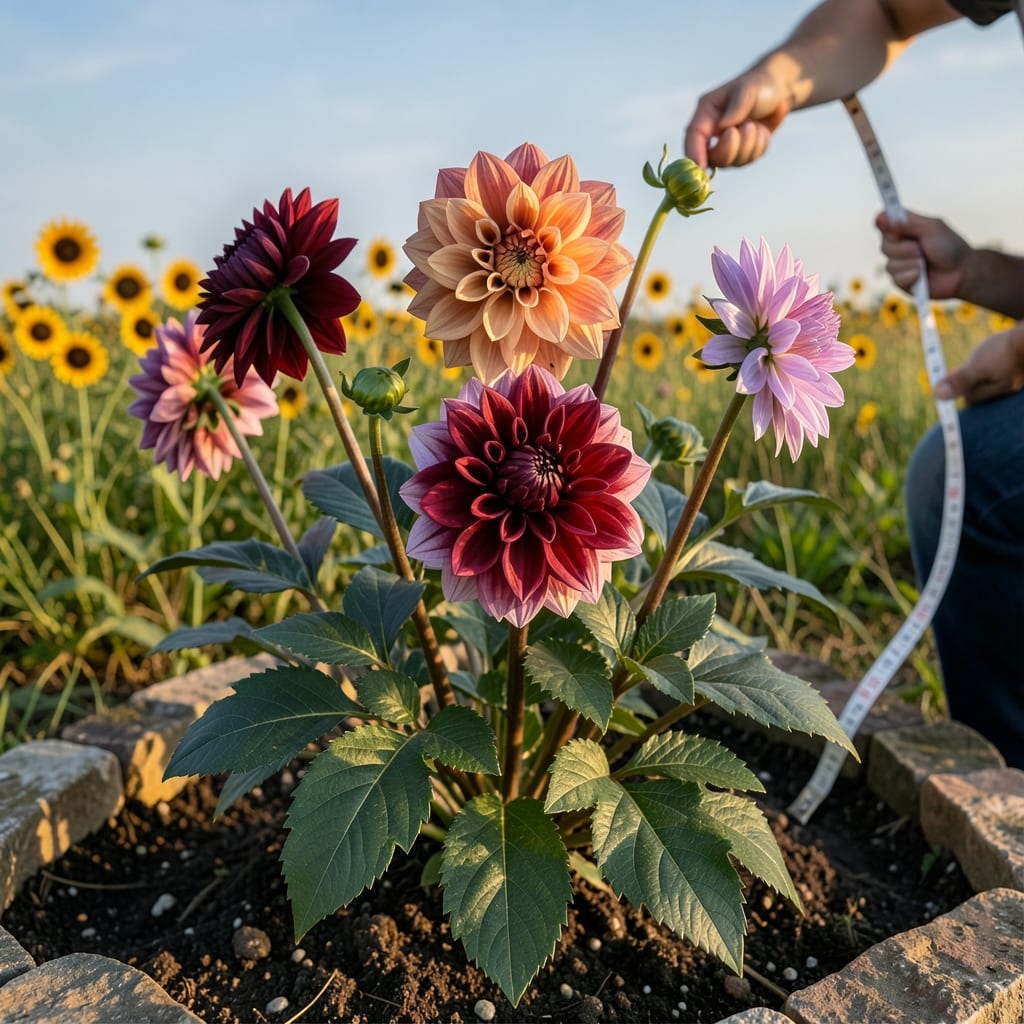
If you’ve ever wondered how tall dahlias grow and whether your garden can handle their dramatic heights, you’re not alone. These stunning 🌼 blooms can shoot up like sky-scrapers—some reaching a towering 7 feet—while others stay compact enough for containers. The difference often comes down to the variety you choose and how you care for them.
Dwarf dahlias might only grow 1-2 feet tall, making them perfect for borders or window boxes, while giant varieties need space to stretch their legs—literally. But here’s the catch: even the tallest dahlias won’t reach their full potential without the right support, soil, and sunlight. Let’s break down what you need to know to help your dahlias grow strong and proud.
Whether you’re dreaming of a backyard jungle or a neat, contained display, understanding their growth habits is key. From spacing tips to staking tricks, I’ll show you how to give your dahlias the best chance to thrive—no matter their height. Ready to turn your garden into a dahlia showstopper?
The secret to managing their height lies in a few simple strategies, like pruning at the right time or choosing the perfect stakes. And if you’ve ever struggled with floppy stems or stunted growth, don’t worry—I’ve got solutions to keep your dahlias standing tall all season long. Let’s get growing!

Dahlia height ranges by variety: from compact to sky-high
Dahlias aren’t just stunning—they’re also height champions in the garden world. Their mature heights can range from just 1 foot to an impressive 7 feet tall, depending on the variety. Knowing these ranges helps you plan your garden layout, choose the right support structures, and avoid overcrowding. Whether you have a cozy patio or a sprawling backyard, there’s a dahlia size perfect for your space.
The height of dahlias is determined by their classification: miniature, dwarf, semi-dwarf, standard, or giant. Each category offers unique blooms and growth patterns, so let’s explore how tall dahlias grow in each group. This will help you visualize their potential and make informed choices for your garden design.
Miniature and dwarf dahlias are ideal for containers, window boxes, or small garden beds. These varieties typically reach 1 to 2 feet tall, making them perfect for adding color to patios or balconies. Their compact size also means they require less maintenance and can thrive in smaller spaces without needing staking.
Semi-dwarf dahlias strike a balance, growing 2 to 4 feet tall. They’re versatile enough for garden borders, mixed flower beds, or even larger containers. These varieties often produce abundant blooms while remaining manageable in height, making them a favorite for both beginners and experienced gardeners.
Standard and giant dahlias are the showstoppers, reaching heights of 4 to 7 feet. These towering beauties need sturdy support and plenty of space to shine. They’re perfect for the back of garden beds, where their dramatic height and lush blooms can be fully appreciated. However, their size also means they require careful planning to avoid shading smaller plants.
🌼 Dahlia Height Summary by Variety
| Variety | Height Range | Ideal Spacing | Best For |
|---|---|---|---|
| Miniature | 1–2 ft | 12–18 in apart | Containers, window boxes |
| Dwarf | 2–3 ft | 18–24 in apart | Borders, small beds |
| Semi-Dwarf | 2–4 ft | 24–30 in apart | Mixed beds, containers |
| Standard | 4–6 ft | 30–36 in apart | Back of beds, focal points |
| Giant | 5–7 ft | 36–48 in apart | Large gardens, dramatic displays |
✅ Pro Tip: Always check the specific variety’s tag for exact height expectations—some may vary slightly!
When planning your garden, consider not just the height of dahlias but also their spreading habits. Even dwarf varieties can spread 1 to 2 feet wide, so give them room to grow. For taller varieties, ensure they’re planted where they won’t block sunlight from shorter plants. For example, a 7-foot giant dahlia like ‘Black Narcissus’ needs space to avoid shading delicate perennials.
If you’re growing dahlias in containers or raised beds, choose smaller varieties like ‘Little One’ or ‘Café au Lait’ to avoid overcrowding. These compact types thrive in pots as long as the container is at least 12 inches deep and wide enough to accommodate their root system. Larger varieties, however, will need 20+ gallon containers and sturdy stakes to support their weight.
Another factor influencing how tall dahlias grow is their age and maturity. In their first year, dahlias may only reach 2 to 4 feet tall, but by their second or third year, they can grow significantly taller if given optimal conditions. This is why many gardeners save and replant dahlia tubers year after year—they reward patience with bigger blooms and greater height over time.
For those with limited space, dwarf or miniature dahlias are a game-changer. Varieties like ‘Mignon’ or ‘Tom Thumb’ stay under 2 feet tall and are perfect for urban gardens, balconies, or even indoor growing with sufficient light. Their smaller stature doesn’t mean smaller blooms—many produce vibrant, dinner-plate-sized flowers despite their compact size.
If you’re dreaming of a dramatic garden backdrop, giant dahlias like ‘Arabian Night’ or ‘Galaxy’ can reach 6 to 7 feet tall. These varieties need strong support, such as wooden stakes or tomato cages, to prevent them from flopping over in wind or rain. Their height makes them ideal for creating a living fence or privacy screen in larger gardens.
Remember, the height of dahlias isn’t set in stone—it’s influenced by factors like soil quality, sunlight, and care. With proper pruning, staking, and fertilization, you can encourage dahlias to grow even taller or keep them more compact, depending
Dahlia height ranges by variety: from compact to sky-high
When I first planted dahlias, I was shocked to see some varieties shoot up like tall trees while others stayed as short as bushes. The truth? Dahlias come in six height categories, each with unique spacing and care needs. Knowing these ranges helps you pick the perfect varieties for your garden—whether you have a tiny balcony or a sprawling backyard.
Dwarf dahlias (1-2 feet) are ideal for containers or borders, while semi-dwarf types (2-4 feet) work well in raised beds or mixed borders. But here’s where it gets exciting: standard and giant varieties can reach 4-7 feet, making them perfect for backdrop plants or cut flower gardens. The key is matching the variety to your space.
| Variety Type | Height Range | Spacing Needs | Best For |
|---|---|---|---|
| Dwarf | 1-2 ft | 12-18 inches apart | Containers, window boxes |
| Semi-Dwarf | 2-4 ft | 18-24 inches apart | Borders, raised beds |
| Standard | 4-6 ft | 24-36 inches apart | Backdrop plants, cut flowers |
| Giant | 6-7 ft | 36-48 inches apart | Large gardens, focal points |
One of my favorite dwarf varieties is 'Café au Lait,' which stays under 2 feet but produces gorgeous dinner-plate blooms. Meanwhile, 'Thomas Edison' can reach 6 feet with its dark burgundy petals. The difference? Genetics and growing conditions. Even within a category, some dahlias grow taller due to rich soil and full sun.
Pro tip: Check the seed packet or plant tag for mature height estimates. If you’re unsure, start with semi-dwarf varieties—they’re versatile for most gardens. And remember, height isn’t everything. Even a 1-foot-tall dahlia can make a statement in a container garden with the right colors and placement.
For tall varieties, plan ahead with support structures like stakes or cages. I’ve seen 7-foot dahlias topple over without proper support, ruining their elegant blooms. But with the right care, they’ll stand tall all season—adding drama to your garden like nothing else. Ready to pick your perfect height?
🌼