
How To
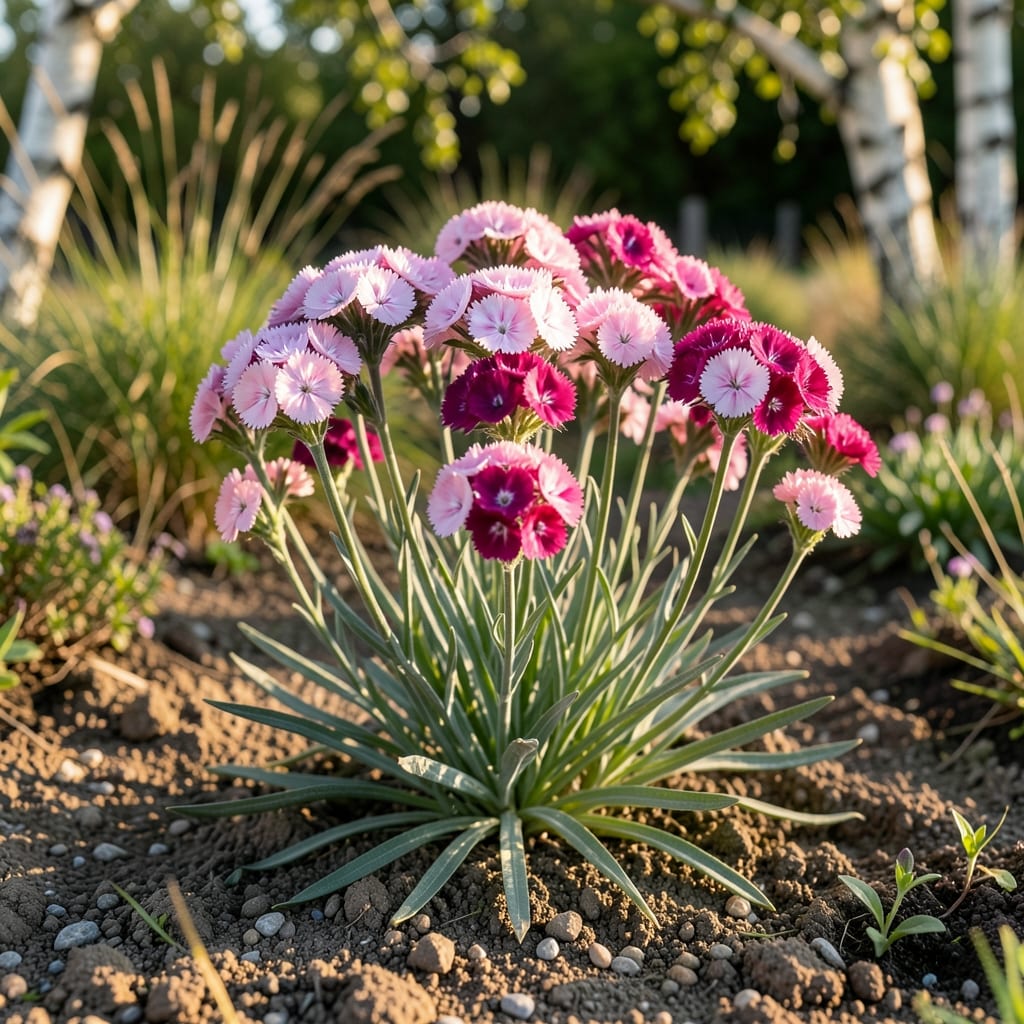
Wondering how tall dianthus grow before you commit to planting? These cheerful 🌸 bloomers can range from compact 6-inch gems to towering 2-foot stars—depending on the variety and care you provide.
If you're planning a garden bed or container display, knowing the right height for your Dianthus is key to creating a balanced, eye-catching look. Some varieties stay low and bushy, perfect for borders, while others reach upward, making them ideal for back-of-bed accents.
In this guide, I’ll break down exactly how tall different Dianthus types grow, what influences their height, and the best pruning times to keep them thriving. Whether you’re working with Sweet Williams or Cheddar Pinks, you’ll get the insights you need to maximize their potential.
Ready to turn your garden into a vibrant, well-proportioned space? Let’s dive into the details so you can choose—and grow—the perfect Dianthus for your layout.

Dianthus height by variety: compact vs. tall-spreading types
One of the first questions I get from gardeners is, "how tall dianthus grow?" The answer depends entirely on the variety you choose. Dianthus plants come in three main height categories: dwarf, semi-dwarf, and standard. Knowing these ranges helps you plan spacing and placement for maximum impact.
For example, dwarf varieties like Cheddar Pinks stay between 6–12 inches tall, making them perfect for rock gardens or container edges. Meanwhile, standard types like Sweet William can reach 18–24 inches, ideal for back-of-bed plantings or cut flower arrangements.
Some varieties, like China Pinks, bridge the gap with 12–18 inches of height, offering versatility for borders or mixed containers. The key is matching the variety’s mature height to your garden’s design goals.
Here’s a quick comparison to help you visualize how these heights translate into real-world planting scenarios:
| Variety | Height Range | Growth Habit | Ideal Spacing |
|---|---|---|---|
| Cheddar Pinks | 6–12 inches | Compact, mounding | 6–8 inches apart |
| Sweet William | 18–24 inches | Clumping, upright | 12–15 inches apart |
| China Pinks | 12–18 inches | Bushy, spreading | 8–10 inches apart |
| Firewitch Series | 10–14 inches | Semi-dwarf, clumping | 7–9 inches apart |
When planning your garden, consider how these heights will interact with neighboring plants. For instance, pairing 12-inch China Pinks with 18-inch Salvia creates a layered look, while 6-inch Cheddar Pinks can spill beautifully over container edges.
Pro tip: If you’re growing Dianthus in containers, choose dwarf varieties to prevent overcrowding. Taller types like Sweet William need deeper pots (at least 12 inches deep) to support their root systems and maintain stability.
Another factor to consider is bloom height. Some varieties, like Sweet William, produce flower spikes that can add an extra 4–6 inches to their overall height when in full bloom. This is especially useful for creating vertical interest in cottage-style gardens.
For gardeners in USDA Zones 6–9, most Dianthus varieties will reach their mature height within 2–3 years of planting. In warmer climates, growth may be slightly faster, while cooler zones might see a more gradual increase in height.
Finally, remember that pruning habits can influence height over time. Regular deadheading and strategic trimming can encourage bushier growth in taller varieties, while leaving dwarf types unpruned will keep them compact and manageable.
When and how to prune Dianthus for optimal height control
Pruning is one of the easiest ways to control how tall your Dianthus grow while encouraging fuller blooms and healthier stems. Unlike some flowers that need heavy pruning, Dianthus responds well to light, strategic trims that keep them at your desired height. The key is timing—prune at the right moments to avoid stunting growth or inviting pests.
For dwarf varieties like Cheddar Pinks, minimal pruning is needed. A quick trim after the first flush of blooms in early summer keeps them tidy and prevents legginess. For taller types like Sweet William, you’ll want to prune more aggressively to maintain a compact shape and encourage second blooms later in the season.
Here’s a step-by-step guide to pruning Dianthus for the perfect height and shape:
- 🌱 Early Spring (March–April): Trim back any dead or damaged stems to about 1–2 inches above the base. This promotes new growth and sets the stage for the season.
- ✂️ Post-Bloom (June–July): After the first round of flowers fades, cut back spent blooms to just above a set of healthy leaves. This encourages reblooming and prevents seed formation.
- 🌿 Late Summer (August–September): Give taller varieties a light haircut to maintain height and shape. Aim to trim back 1/3 of the plant’s height if it’s looking leggy.
- 🌡️ Fall (October): Reduce pruning as the plant prepares for dormancy. Remove only dead or diseased foliage to keep the plant healthy through winter.
When pruning, always use clean, sharp pruners to make clean cuts at a 45-degree angle. This prevents tearing and helps water run off, reducing the risk of rot or fungal diseases. Avoid pruning in wet weather, as damp conditions can stress the plant and invite pests.
If you’re growing Dianthus in containers, pruning is even more critical. Taller varieties can become top-heavy and tip over, so regular trimming keeps them stable and bushy. For dwarf types, a light pinch of the tips of new growth in early spring can encourage branching and fuller plants.
One common mistake I see is over-pruning in late summer, which can stunt growth before winter. Always leave enough foliage to support the plant through dormancy. For USDA Zones 6–9, aim to finish pruning by mid-October to give the plant time to harden off before cold weather.
With the right pruning routine, you can keep your Dianthus at the perfect height for your garden design—whether that’s a neat 6-inch border or a tall, dramatic backdrop. Just remember: less is more when it comes to Dianthus pruning!