
How To
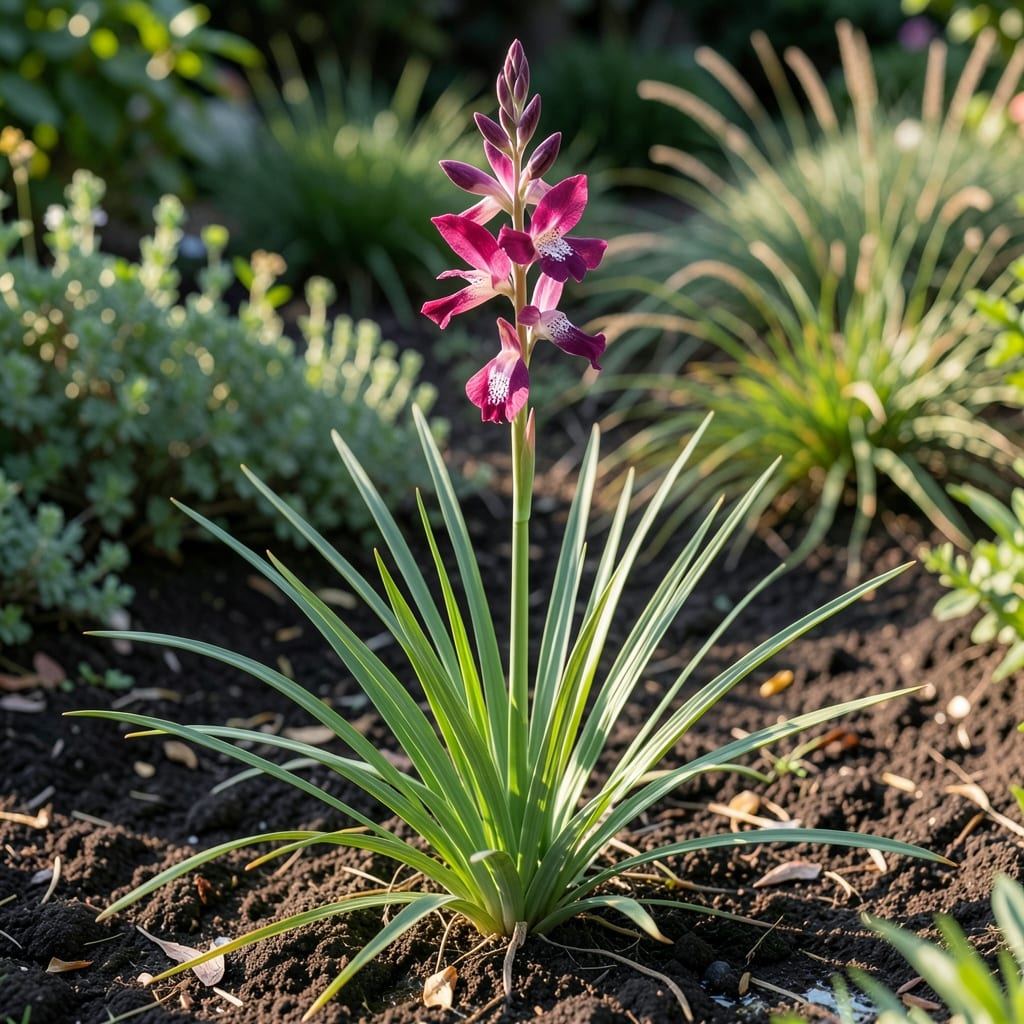
If you're wondering how tall do acidanthera grow, you're not alone—this elegant 🌸 plant can surprise even seasoned gardeners with its graceful height range. While some varieties stay compact, others reach impressive heights, making them perfect for both small containers and larger garden beds.
Acidanthera typically matures between 1 to 2 feet, but the exact height depends on the variety and growing conditions. In ideal settings, these tropical beauties can stretch taller, especially when given proper support and care. Whether you're planning a spring garden or a patio display, knowing these details helps you choose the right spot for their stunning blooms.
One common misconception is that acidanthera needs a lot of space to thrive, but with the right container or pruning techniques, you can easily manage their height. I’ll show you how to encourage healthy growth while keeping them within your desired limits—no matter how much (or little) room you have to work with.
Ready to learn how to maximize their potential? Let’s dive into the factors that influence acidanthera height and how you can create the perfect environment for these striking plants to flourish.


Acidanthera height by variety: from compact to towering
Understanding how tall do acidanthera grow starts with knowing the variety you’re working with, as heights can vary significantly. Most acidanthera species, like the popular Acidanthera muricata (angel’s fishing rod), typically reach a mature height of 1 to 2 feet. However, some hybrids or less common varieties might exceed this range slightly, especially when given optimal care.
For example, Acidanthera bracteata often stays on the shorter side, rarely surpassing 1.5 feet, making it ideal for small gardens or containers. Meanwhile, the Acidanthera bicolor variety can stretch closer to 2 feet or slightly taller when grown in ideal conditions. These differences are important if you’re planning a garden bed or selecting plants for a specific space.
Here’s a quick reference for the most common varieties and their typical mature heights:
| Variety | Mature Height | Growth Habit |
|---|---|---|
| Acidanthera muricata | 1–2 feet | Upright, slender stems |
| Acidanthera bracteata | 1–1.5 feet | Compact, bushy |
| Acidanthera bicolor | 1.5–2.5 feet | Tall, slender spikes |
| Hybrid varieties | 1–2 feet (varies) | Depends on parentage |
The growth habit of acidanthera also plays a role in how you perceive their height. While they may not grow as tall as some other tropical plants, their slender, arching stems create a dramatic vertical effect. This makes them perfect for adding height to garden borders or as focal points in mixed containers.
If you’re growing acidanthera in USDA Zone 6a or warmer, you’ll find they thrive in spring and early summer, reaching their full height by late spring. In cooler climates, they may grow more slowly, so patience is key. Providing partial shade and well-draining soil will encourage healthier, taller growth without compromising their delicate blooms.
One common question is whether acidanthera can grow taller in containers vs. garden beds. While container-grown plants might not reach their full potential height, they can still thrive with the right care. I’ll cover container-specific tips in the next section, including how to choose the right pot size and support structures to maximize height without overcrowding.
For now, remember that height isn’t the only factor—the spacing between plants matters too. When planting acidanthera in garden beds, give them at least 12–18 inches of space to prevent competition for nutrients and water. This spacing also allows for better air circulation, reducing the risk of fungal issues that could stunt growth.
If you’re planning a garden display, consider pairing acidanthera with shorter plants like heuchera or ajuga to create a layered effect. Their elegant, arching stems will draw the eye upward while keeping the overall look balanced. For container gardens, taller varieties like Acidanthera bicolor can be placed at the back, with shorter plants in front.
Ready to learn how to manage their height in containers or control their growth with pruning? Let’s explore those strategies next to ensure your acidanthera stays at the perfect height for your space.
Can you grow acidanthera in pots? Container height limits explained
Growing acidanthera in pots is absolutely possible, and it’s a great solution if you have limited garden space or want to move your plants for seasonal changes. However, container height does impact how tall your acidanthera will grow. Most varieties thrive in pots, but you’ll need to choose the right size and provide proper support to encourage healthy, upright growth without overcrowding.
The minimum pot size for acidanthera is 12 inches in diameter, but larger containers (14–16 inches) give roots more room to spread, which supports taller growth. If you’re growing a taller variety like Acidanthera bicolor, opt for deeper pots (at least 14–16 inches deep) to accommodate their root systems and prevent them from becoming root-bound, which can stunt height.
⚠️ Callout Warning: Container Constraints
To maximize height in containers, use a well-draining potting mix with added perlite or sand to improve aeration. This helps roots grow stronger, supporting taller stems. I recommend mixing 50% peat-free potting soil, 30% perlite, and 20% compost for the best results. Avoid heavy garden soil, which can compact and suffocate roots, limiting growth.
If you’re growing acidanthera in containers outdoors, place them in a protected spot with partial shade (like under a patio cover) to shield them from harsh afternoon sun. Too much direct sunlight can cause the stems to grow too quickly and weakly, leading to flopping or reduced height. In cooler climates (like USDA Zone 6a), bring pots indoors before the first frost to extend their growing season.
For taller varieties, consider using a support stake or trellis to guide their growth upward. This not only helps manage height but also prevents stems from bending or breaking under the weight of blooms. A simple bamboo stake or decorative obelisk works well—just tie the stems loosely with soft plant ties every few inches to avoid damaging the delicate stems.
One common mistake is overcrowding multiple plants in a single pot, which can lead to competition for nutrients and water, stunting growth. Stick to one plant per 12-inch pot or two small plants per 14-inch pot to give them space to grow. If you’re growing multiple acidanthera in a large container, space them at least 12 inches apart to encourage upright, healthy growth.
Finally, seasonal pruning can help control height in containers. After the first flush of blooms in late spring, trim back any leggy or overgrown stems by one-third to encourage bushier, more compact growth. This technique works especially well for Acidanthera bracteata, which tends to stay shorter but can become unruly without pruning. With the right container setup and care, your acidanthera will thrive—whether you’re aiming for a compact patio display or a taller garden statement.