
Vegetables
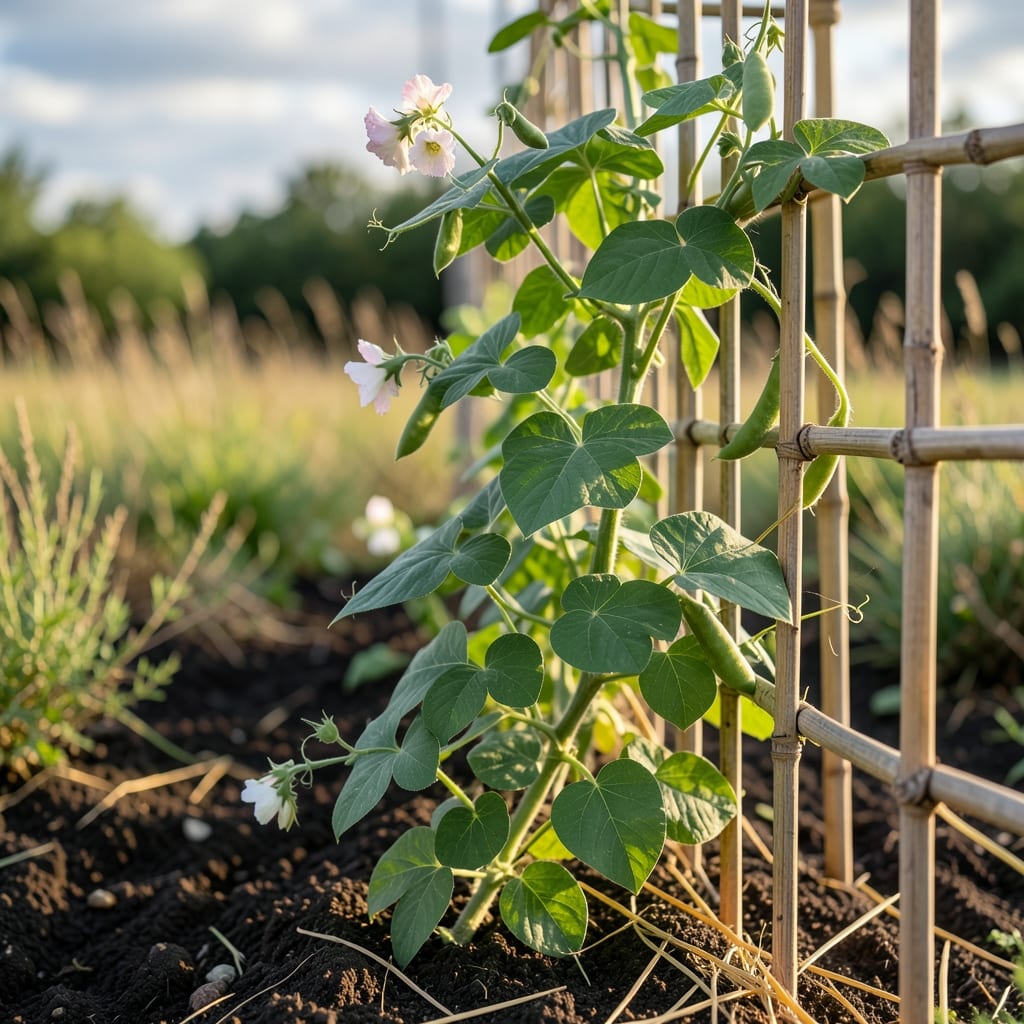
If you're wondering "how tall do Alaska peas grow", you're not alone—this is the first question many gardeners ask before planting. These hardy little plants can surprise you with their growth, reaching heights of 2 to 3 feet when given the right conditions, especially in Alaska's 2a-4b zones where they thrive in summer's short but sunny days.
Unlike some garden vegetables that sprawl across the ground, Alaska peas often need support to reach their full potential. Whether you're working with bush varieties that stay closer to 1 to 2 feet or climbing types that stretch toward 3 feet, understanding their growth habits is key to maximizing your harvest from July to August.
But here's the thing: their height isn't just about space—it's also about yield. Proper trellising can boost production by keeping plants off the damp soil, reducing disease risk, and making those sweet pods easier to pick. I'll show you exactly how to set up supports and create the ideal growing conditions for Alaska peas to flourish.
From soil prep to companion planting, we'll cover everything you need to know to help your peas grow tall and productive. Let's get your garden ready for a bumper crop of these delicious, cold-hardy legumes!


Alaska pea varieties: height ranges & growth habits explained
Alaska peas come in two main growth types that dramatically affect their mature height: bush varieties and vining varieties. The bush types typically stay between 1 to 2 feet tall, making them perfect for small gardens or containers, while vining types can reach up to 3 feet when given proper support. This height difference isn't just about space—it also impacts how you'll need to plan your garden layout and trellising strategy.
For example, the classic 'Alaska' bush pea variety rarely exceeds 18 inches in height, while climbing varieties like 'Green Arrow' can stretch toward 3 feet if trained on a sturdy trellis. Even within the same variety, height can vary based on growing conditions like sunlight, soil quality, and water availability. Understanding these differences helps you choose the right type for your space and growing goals.
Here's the key takeaway: bush varieties are ideal for gardeners with limited vertical space, while vining varieties reward patient gardeners with higher yields—if you're willing to invest in trellising. Both types thrive in Alaska's short growing season, but their height requirements will shape your entire planting strategy from day one.
| Variety | Growth Type | Mature Height | Spacing Needs | Notes |
|---|---|---|---|---|
| 'Alaska' | Bush | 12-18 inches | 6-8 inches apart | Compact, no trellis needed |
| 'Green Arrow' | Vining | 24-36 inches | 4-6 inches apart | Requires trellis for best growth |
| 'Telephone' | Vining | 20-24 inches | 3-4 inches apart | Dwarf vining type, shorter than 'Green Arrow' |
| 'Little Marvel' | Bush | 10-14 inches | 4-6 inches apart | Extra dwarf, great for containers |
When planning your garden, consider that vining varieties will need at least 2 feet of vertical space from the ground to the top of their trellis. This vertical growth isn't just about height—it's also about maximizing your garden's productivity. By growing peas upward, you free up valuable ground space for other crops like lettuce or radishes that thrive in the shade of taller plants.
Another important factor is spacing. Bush varieties can be planted closer together (about 6 inches apart), while vining types need more room (around 4-6 inches apart) to allow for proper air circulation. Poor spacing leads to overcrowding, which can stunt growth and increase disease risk. I've found that proper spacing makes a noticeable difference in both yield and plant health.
If you're working with limited space, consider mixing bush and vining varieties in the same garden. For example, you could plant 'Alaska' bush peas along the edges of your garden bed while using a trellis in the center for 'Green Arrow' vining peas. This creates visual interest while maximizing your harvest potential in even the smallest of spaces.
One common misconception is that all Alaska peas are dwarf varieties. In reality, many gardeners focus on bush types because they're easier to manage, but the vining varieties often produce more pods per plant when given proper support. The trade-off is worth it if you're willing to invest a little time in setting up trellises and training vines.
For container gardeners, stick with bush varieties like 'Little Marvel' or 'Alaska'. These compact plants thrive in 5-gallon buckets or larger pots, making them perfect for balconies, patios, or small urban gardens. Just make sure your container has drainage holes and use a high-quality potting mix to prevent root rot.
No matter which variety you choose, remember that height is just one piece of the puzzle. The real secret to growing tall, productive Alaska peas lies in providing the right growing conditions—from proper soil preparation to consistent watering and sunlight. With the right approach, you'll be harvesting sweet, tender pods in no time!
When and how to use trellises for Alaska peas (with height-specific tips)
If you're growing vining Alaska peas like 'Green Arrow' or 'Telephone', a sturdy trellis isn't just helpful—it's essential for reaching their full 2-3 foot height. Without support, these varieties sprawl across the ground, increasing disease risk and reducing pod production. The right trellis transforms your garden into vertical space, maximizing yield while keeping plants healthy and accessible.
For bush varieties like 'Alaska' or 'Little Marvel' (which stay under 18 inches), trellises are optional but can still boost productivity. Even short vines benefit from light support to improve air circulation and make harvesting easier. I recommend using small stakes or wire cages for these compact plants to prevent them from flopping over as they mature.
Here's my step-by-step guide to setting up trellises that work perfectly with Alaska pea heights:
-
1
Choose the right trellis material based on pea height:
- Bamboo stakes (2-3 ft tall) for bush varieties
- Wire mesh (3-4 ft tall) for vining types
- Plastic netting (4 ft tall) for large gardens
- 2 Install supports early—right after planting when vines are 3-4 inches tall. This gives roots time to anchor while vines climb.
- 3 Train vines weekly by gently weaving them through trellis openings. For 3-foot vining peas, use a spiral pattern to distribute weight evenly.
- 4 Adjust height as plants grow. If your 2-foot trellis isn't enough for aggressive vines, add extension poles (up to 4 feet total) to support mature plants.
- 5 Prune side shoots to direct energy upward. Remove any growth that hangs below the trellis to improve airflow and reduce disease risk in Alaska's damp climate.
The key to successful trellising is matching the support height to your pea variety. For example, 'Green Arrow' vining peas need at least a 3-foot trellis to reach their full height, while 'Telephone' dwarf vines thrive on 2-foot supports**. If you're growing multiple varieties together, use staggered trellis heights (e.g., 2 feet for bush peas and 3 feet for vining types) to create a layered garden that maximizes space.
Pro tip: In Alaska's short growing season, use black plastic mulch around the base of your trellis to warm the soil and extend the harvest window. This simple trick can add 1-2 extra weeks of production for your tallest vining peas. Just be sure to leave space between the mulch and trellis for proper drainage.
Remember that proper trellising doesn't just affect height—it completely transforms your harvest. Well-supported vines produce 30-50% more pods than unsupported plants, and the pods themselves stay cleaner and easier to pick. With the right setup, you'll be harvesting sweet, tender peas from July through August without bending over for a single pod!