
How To
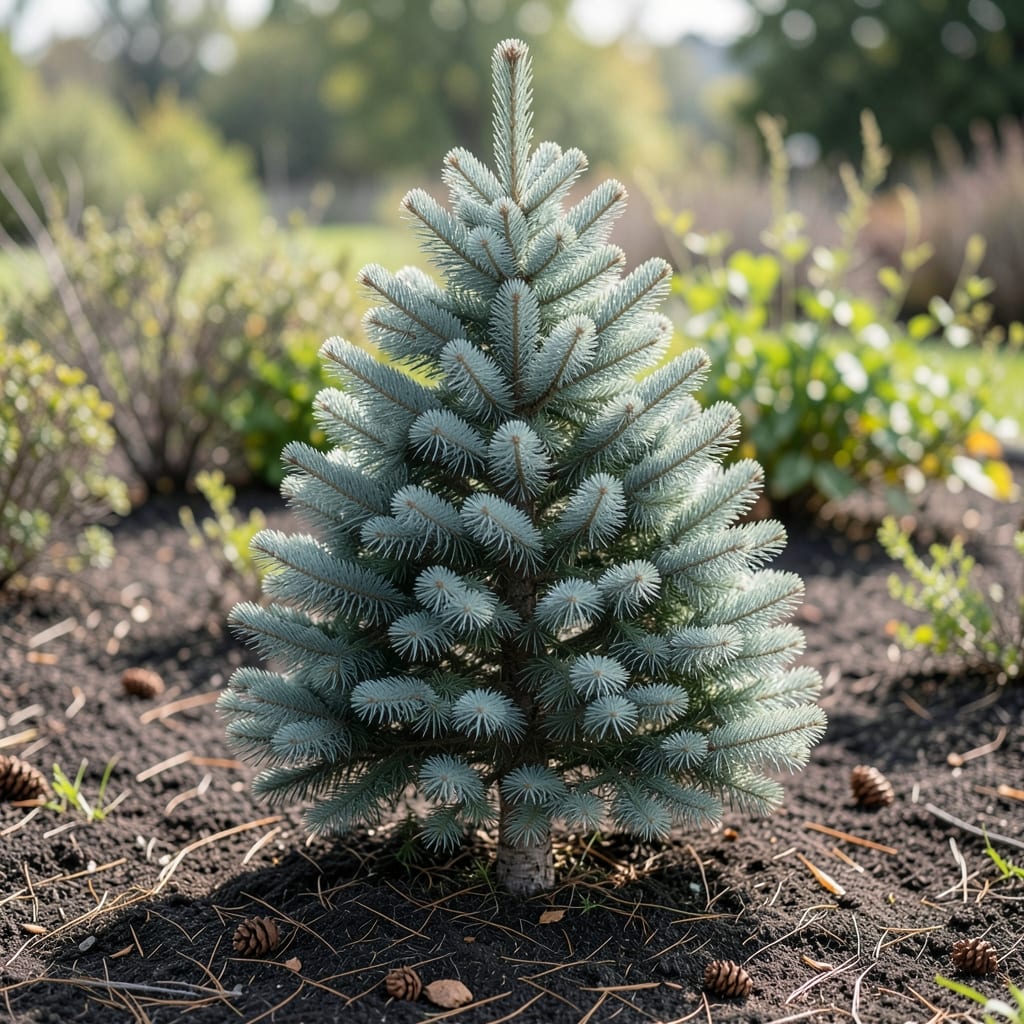
Wondering how tall do Alberta spruce grow? This stunning evergreen can reach heights between 10 and 30 feet, depending on the variety and growing conditions—making it a true statement piece for your landscape.
For gardeners planning their outdoor spaces, understanding these growth habits is key. Whether you're eyeing the classic Alberta Spruce 'Glauca' or the compact 'Little Gem,' knowing the mature size helps you choose the perfect spot and spacing for long-term beauty.
I’ll break down the height expectations by variety, share pruning tips to control growth, and reveal the best planting practices to ensure your spruce thrives. Let’s get your landscape ready for this hardy, cold-resistant tree!
From the 2b-4b hardiness zones of Alberta, Canada, to your own backyard, this guide covers everything you need to know to make the most of your Alberta spruce’s potential.

Alberta spruce mature height by variety: growth expectations and landscape fit
When planning your landscape, knowing how tall do Alberta spruce grow is crucial—this evergreen’s mature height can vary dramatically between varieties. The classic Alberta Spruce 'Glauca' typically reaches 20-30 feet, making it a bold focal point. Meanwhile, smaller varieties like 'Little Gem' max out around 10-15 feet, perfect for tighter spaces.
Understanding these differences helps you select the right variety for your property. A 30-foot spruce needs ample space, while a 10-foot dwarf fits cozy gardens or container plantings. Let’s explore the most popular varieties and their growth expectations to help you make the best choice.
🌲 Alberta Spruce Varieties: Mature Heights & Growth Rates
| Variety | Mature Height | Growth Rate | Ideal Spacing | Best For |
|---|---|---|---|---|
| Alberta Spruce 'Glauca' | 20-30 ft | 1-2 ft/year | 15-20 ft from structures | Large landscapes, focal points |
| Alberta Spruce 'Conica' | 3-5 ft | Slow (3-6 in/year) | 5-6 ft from borders | Containers, bonsai, small gardens |
| Alberta Spruce 'Little Gem' | 10-15 ft | 6-12 in/year | 8-10 ft from structures | Medium gardens, privacy screens |
| Alberta Spruce 'Hot Rod' | 10-12 ft | Fast (1-2 ft/year) | 6-8 ft from borders | Quick privacy, small yards |
For large landscapes, the 'Glauca' variety dominates with its 20-30 feet height, while 'Conica' remains a compact choice for containers or bonsai projects. The 'Little Gem' strikes a balance, offering 10-15 feet of height without overwhelming smaller spaces.
Spacing is critical—plant your Alberta spruce at least 10 feet from structures to prevent root competition and allow airflow. For larger varieties like 'Glauca', aim for 15-20 feet of clearance to accommodate their full growth potential.
Growth rates also vary: 'Hot Rod' grows 1-2 feet per year, making it ideal for quick privacy, while 'Conica' grows slowly (3-6 inches per year), perfect for long-term bonsai cultivation. Always consider your landscape timeline when selecting a variety.
In USDA zones 2b-4b, Alberta spruce thrives in full sun and well-draining soil. Poor soil conditions can stunt growth, so amend clay-heavy soil with compost or sand to ensure optimal development. Mulching around the base helps retain moisture and regulate soil temperature.
If you’re unsure which variety fits your space, start with 'Little Gem' for medium gardens or 'Glauca' for dramatic impact. Both offer stunning blue-green foliage and year-round interest, making them a gardener’s favorite for structure and texture.
For urban gardens with limited space, consider 'Hot Rod'—its 10-12 feet height grows quickly, providing privacy without requiring a large footprint. Just ensure you plant it 6-8 feet from property lines to avoid future conflicts.
Remember, pruning can influence height, but Alberta spruce grows best with minimal intervention. Focus on shaping rather than reducing height to maintain its natural beauty. With the right variety and care, your Alberta spruce will become a stunning, long-lived centerpiece.
Pruning Alberta spruce for height control: techniques and timing
Pruning your Alberta spruce isn’t just about maintaining its shape—it’s a key tool for controlling height and ensuring long-term health. Unlike many trees, Alberta spruce responds best to light, strategic pruning rather than aggressive cuts. The goal is to remove only dead, diseased, or overcrowded branches while preserving its natural pyramid form.
Timing matters most: late winter or early spring (just before new growth begins) is ideal. This allows you to see the tree’s structure clearly and encourages healthy regrowth. Avoid pruning in fall or winter, as this can stress the tree and leave it vulnerable to cold damage or fungal infections.
✂️ Step-by-Step Pruning Guide for Alberta Spruce
- Step 1: Inspect for dead/diseased branches—remove these first with clean, sharp pruners.
- Step 2: Trim overcrowded branches at the base to improve airflow and reduce disease risk.
- Step 3: Shape the tree by cutting just outside the branch collar (the swollen area where the branch meets the trunk).
- Step 4: Avoid topping the tree—this can lead to weak, unsightly regrowth.
- Step 5: Sterilize tools between cuts with rubbing alcohol to prevent spreading disease.
For height control, focus on removing branches from the lower third of the tree to encourage upward growth. Never cut more than 25% of the foliage in a single session, as this can shock the tree. If you’re dealing with a mature Alberta spruce (20+ feet tall), consider using a pole saw or hiring a professional for safety.
Young Alberta spruce (under 10 feet) benefit from annual pruning to establish a strong structure, while mature trees may only need pruning every 2-3 years. Always prune just after a frost in early spring to minimize stress and maximize healing time before summer heat arrives.
Watch for signs of over-pruning, like sparse foliage or yellowing needles, which indicate the tree is struggling. If this happens, reduce future pruning and focus on improving soil health with organic matter. A well-pruned Alberta spruce will reward you with dense, vibrant foliage and a tight, symmetrical shape for decades.
Pro tip: Use gloves and safety glasses when pruning—Alberta spruce needles can be sharp, and branches may be heavy. Store pruned branches in a compost bin (not on the lawn) to avoid spreading disease.