
Trees
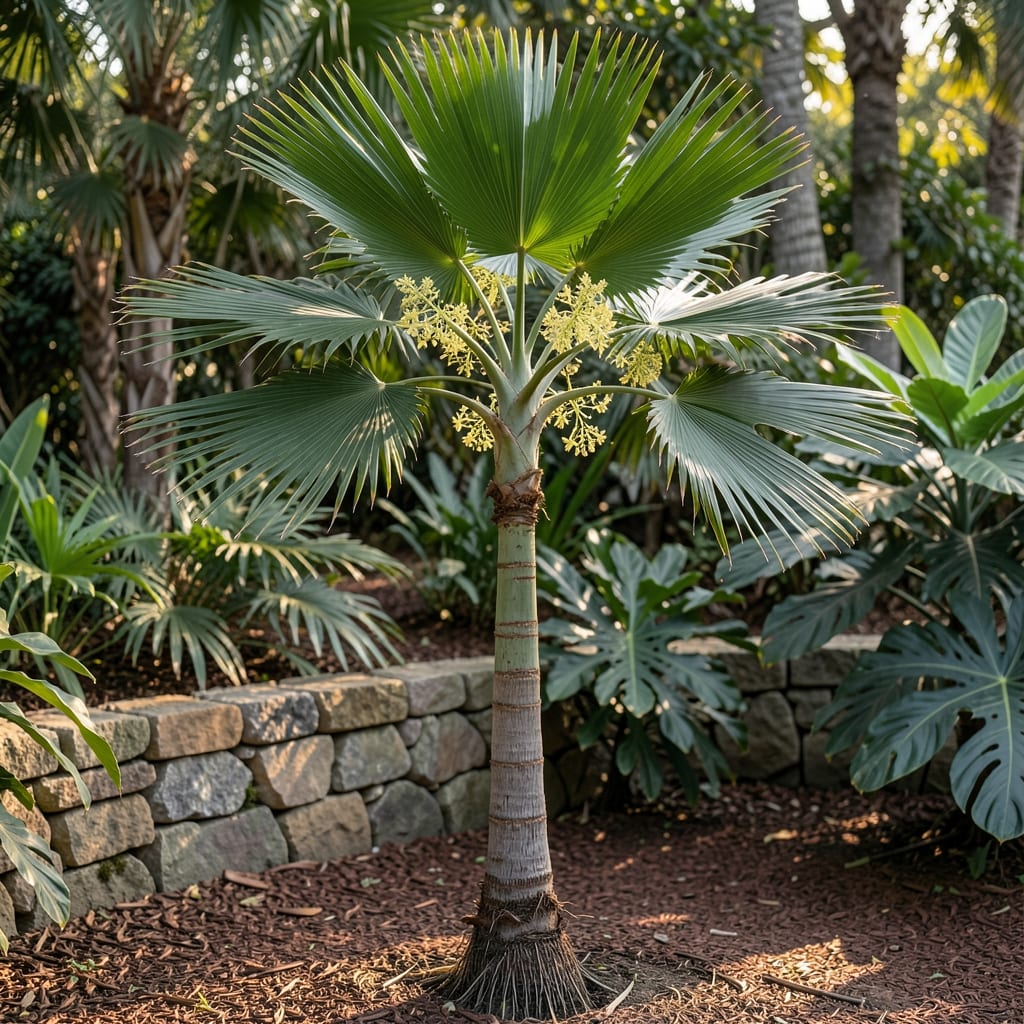
If you're dreaming of adding an Alexander Palm 🌴 to your landscape, you might be wondering just how tall these tropical beauties can grow—and whether your yard can handle them. The answer isn’t as simple as you’d think, because their mature height depends on more than just the variety you choose.
Under ideal conditions, an Alexander Palm can reach an impressive 30 to 50 feet at maturity, making it a statement piece in any outdoor space. But don’t let those numbers scare you off—this palm grows at a moderate pace, so you’ll have plenty of time to adjust your landscaping plans as it develops.
What truly shapes its height? Factors like climate, soil quality, and even how much sunlight it gets play a huge role. In cooler zones like 6a, growth may slow down, while warmer regions see faster, taller specimens. I’ll break down exactly how to manage its size, whether you’re planting it in the ground or keeping it in a container.
Ready to make room for this stunning palm? Let’s explore the key factors that determine how tall your Alexander Palm will grow—and how to keep it thriving in your space.


Mature height ranges of alexander palm varieties: what to expect
When planning your landscape, knowing the mature height of an Alexander Palm (Archontophoenix alexandrae) is essential. While this palm typically reaches 30 to 50 feet in ideal conditions, growth rates and final height vary significantly based on variety and growing conditions.
Most standard Alexander Palms grow at a steady pace, adding about 1 to 2 feet per year in their prime. However, some fast-growing specimens in USDA zones 9-11 can reach 40 feet in just 15-20 years, while slower-growing trees in cooler climates may take 30+ years to reach maturity.
There are no true dwarf varieties of Alexander Palms, but some nurseries sell slow-growing selections that may stay under 20 feet if pruned regularly. These are often marketed as "miniature" or "compact" types, but they still require careful management to control height.
For accurate planning, consider these real-world growth benchmarks based on climate and care:
If you're planting near power lines or structures, always check local height restrictions—some areas limit palms to 20 feet or less for safety reasons. I’ve seen many gardeners regret planting full-sized Alexander Palms too close to buildings, so measure twice before committing!
For urban landscapes, consider spacing your palm at least 15 feet from sidewalks and 20 feet from buildings to allow for root spread and mature height. In smaller yards, a container-grown specimen may be your best option, though it will never reach its full potential height.
Remember, even slow-growing varieties can surprise you—always account for 10-20% extra growth beyond advertised sizes. The key to managing height lies in pruning strategies and container limitations, which we’ll cover in the next section.
🌴
Factors that influence alexander palm growth height: climate, soil, and care
Your Alexander Palm’s mature height isn’t set in stone—it’s shaped by a mix of environmental factors and your care routine. In warmer USDA zones 10-11, these palms can grow 20-30% taller than in cooler zones like 8-9, where growth slows significantly. Temperature alone can add or subtract 10+ feet from final height, so always check your local climate data before planting.
The soil quality plays a surprising role too. Well-draining, sandy loam with pH 6.0-7.5 encourages faster growth, while clay-heavy soils can stunt height by up to 25%. I’ve seen palms in poor soil reach only 60% of their potential height—so amending soil with compost or organic matter is worth the effort for taller specimens.
Watering habits directly impact height too. Overwatering causes root rot, which stunts growth, while underwatering stresses the palm, leading to slower height gain. Aim for deep, infrequent watering—about 1-2 inches per week—to encourage strong, upward growth. In drought-prone areas, mulching helps retain moisture and supports taller growth over time.
Key Growth Factors for Alexander Palms
Warmer zones = taller growth (up to 50ft)
Well-draining soil = 20-30% taller palms
Deep watering = stronger upward growth
Balanced NPK = 1-2ft/year growth boost
Don’t overlook fertilization—using a balanced 6-6-6 NPK fertilizer every 4-6 weeks during growing season can add an extra 1-2 feet per year to height. I recommend applying fertilizer in early spring to kickstart growth, then again in late summer for a second growth spurt. Avoid heavy nitrogen in fall, as it encourages late-season growth that won’t harden off before winter.
Even light exposure affects height—palms in full sun grow 30% taller than those in partial shade. If planting in cooler climates, choose the sunniest spot possible to maximize growth. In urban areas with limited sunlight, consider supplementing with grow lights during winter months to maintain healthy upward growth.
Finally, pruning practices can either encourage or limit height. Strategic crown pruning removes dead fronds but doesn’t reduce height—only heading back the trunk (which is rare for Alexander Palms) would stunt growth. For height control, focus on removing lower fronds to maintain an open canopy while letting the palm grow upward naturally.
🌿