
Size
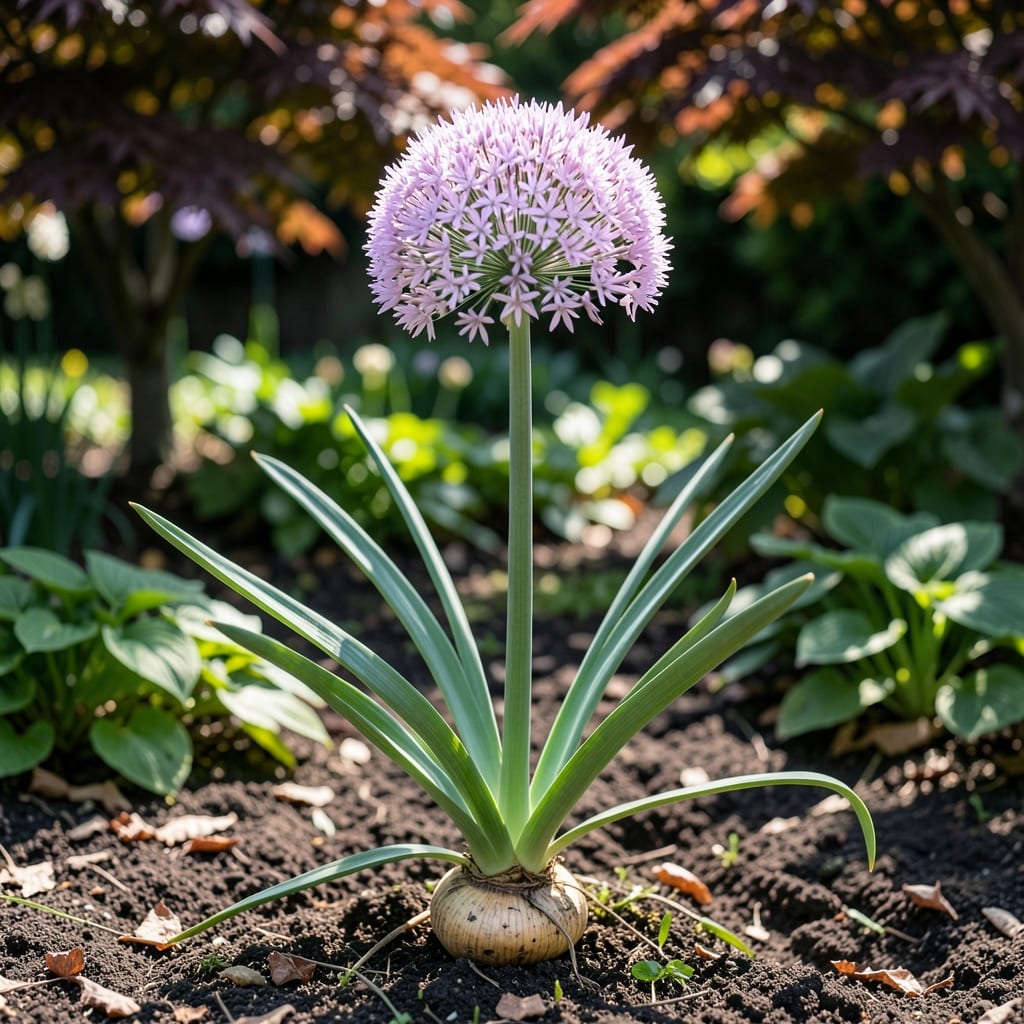
If you’ve ever wondered how tall do allium grow and how that affects your garden layout, you’re not alone. These striking 🌷 plants can range from dainty 8-inch shrubs to towering 5-foot giants, making them a versatile choice for any space—whether you’re designing a pollinator-friendly border or a dramatic focal point.
Understanding allium height variations is the key to creating a balanced garden. Some varieties, like Allium sphaerocephalon, stay compact, perfect for edging or container gardens, while others, such as Allium giganteum, reach skyward, adding vertical interest to perennial beds. The difference in height isn’t just about aesthetics—it also impacts spacing, sunlight exposure, and even companion planting.
In this guide, I’ll break down the height ranges of popular allium species, share tips for supporting taller varieties, and help you plan your garden layout like a pro. Whether you’re a beginner or a seasoned gardener, knowing these details will transform how you use alliums in your spring designs.
Ready to discover how to maximize your alliums’ potential? Let’s dive into the specifics so you can create a garden that’s both stunning and functional!


Allium height by variety: dwarf to giant growth chart
When planning your garden, knowing how tall do allium grow helps you choose the perfect varieties for your space. Alliums span an impressive range—from tiny 8-inch gems to towering 6-foot giants. Below, I’ve organized them by height categories to simplify your design decisions.
Dwarf alliums (under 12 inches) are ideal for containers, rock gardens, or edging paths. Semi-dwarf varieties (1-2 feet) work beautifully in borders or mixed perennial beds. Meanwhile, standard and giant alliums (3-6 feet) create dramatic focal points or vertical accents in pollinator gardens.
Here’s a quick reference to help you visualize their mature sizes and ideal uses:
| Variety | Height | Bloom Time | Best For |
|---|---|---|---|
| Allium sphaerocephalon | 8–12" | Late spring | Rock gardens, containers |
| Allium roseum | 12–18" | Early summer | Cut flowers, borders |
| Allium moly | 18–24" | Spring | Pollinator gardens, meadows |
| Allium cristophii | 4–5 ft | Late spring | Back of borders, focal points |
| Allium giganteum | 5–6 ft | Early summer | Vertical gardens, cut arrangements |
The Allium sphaerocephalon and Allium roseum are perfect for smaller gardens or containers, while Allium giganteum and Allium cristophii demand space and make bold statements. If you’re unsure about spacing, err on the side of giving taller varieties more room—they’ll reward you with stunning vertical interest.
For edible alliums like chives (12–18 inches) or garlic (18–24 inches), their height is less about drama and more about practicality. These stay compact enough for kitchen gardens but still add texture to herb beds.
Pro tip: Pair dwarf alliums with low-growing perennials like thyme or ajuga, while tall alliums shine when planted behind ornamental grasses or behind shrubs like hydrangeas. This creates a layered look that’s both functional and eye-catching.
Now that you’ve got the height breakdown, let’s talk about how to use these variations in your garden design—including spacing tips and companion plants to maximize their impact.
How Allium height affects garden design and spacing
Understanding how tall do allium grow isn’t just about choosing varieties—it’s about creating a garden that flows naturally. Taller alliums like Allium giganteum (5–6 feet) need space to avoid crowding neighbors, while dwarf varieties like Allium sphaerocephalon (8–12 inches) thrive in tight spots. The key is balancing height differences to avoid a chaotic or cramped look.
For pollinator gardens, place taller alliums at the back or center where they can be seen from a distance. Their globular blooms attract bees and butterflies, but shorter varieties can edge the front, creating a layered effect. This strategy also prevents taller plants from shading out smaller companions.
Here’s how to use height variations for maximum impact in your design:
When designing with height in mind, think of alliums as vertical accents. For example, Allium cristophii (4–5 feet) makes a stunning backdrop for black-eyed Susans or coneflowers, while Allium moly (18–24 inches) blends seamlessly into meadow-style plantings. Even edible alliums like chives (12–18 inches) can edge herb gardens without overwhelming smaller herbs.
One common mistake is underestimating how much space taller alliums need. If you’re short on room, opt for dwarf varieties or consider container gardening. A large pot with Allium sphaerocephalon and thyme creates a striking, low-maintenance display on patios or balconies.
For pollinator-friendly designs, create height gradients. Start with ground covers like creeping thyme, add mid-height alliums like Allium roseum, and top with tall varieties like Allium giganteum. This layered approach ensures every pollinator—from bees to butterflies—has easy access to nectar at every level.