
Trees
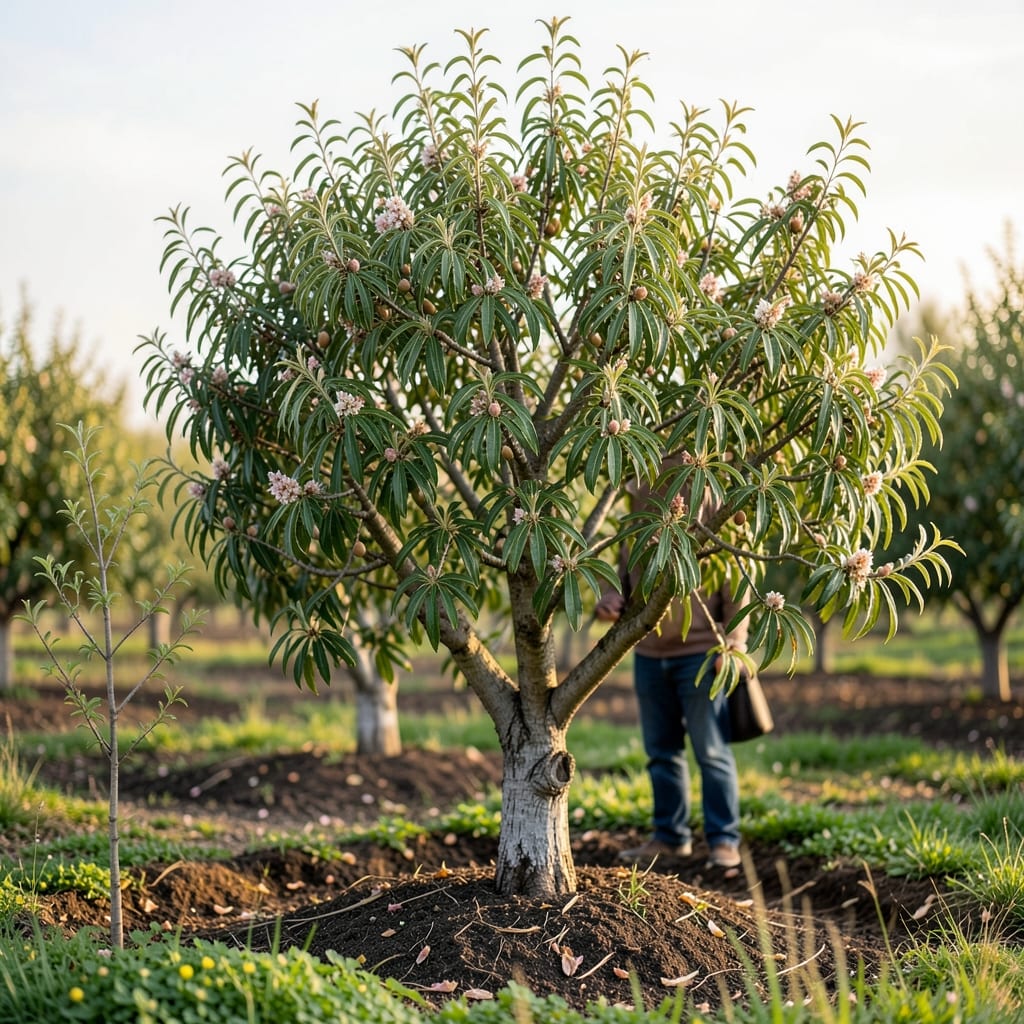
If you're considering planting an almond tree 🌰 in your yard, one of the first questions you'll ask is: how tall do they grow? The answer isn't one-size-fits-all—it depends on whether you choose a standard variety or a compact dwarf cultivar, and where you live.
Standard almond trees can reach heights of 25 to 40 feet, making them more suited for orchards or spacious properties. But don't worry—dwarf varieties stay between 10 to 15 feet, perfect for smaller gardens or urban spaces. The right choice could mean the difference between a towering tree and a manageable addition to your landscape.
Your climate zone also plays a big role in how tall your almond tree will grow. In USDA Zones 7-10, where these trees thrive, proper pruning and spacing can help control height naturally. I'll show you how to keep your tree at the perfect size—no matter where you live.
Whether you're dreaming of a backyard orchard or just want a few trees for fresh nuts, understanding these growth factors will help you plan your space wisely. Let's break down everything you need to know to get started.

Almond tree mature heights by popular variety: what to expect
Almond trees are stunning additions to any landscape, but their mature height can vary dramatically depending on the variety you choose. Standard varieties like Nonpareil and Carmel can reach 30–40 feet, making them better suited for large orchards. Meanwhile, dwarf varieties like Texas or Nonpareil Dwarf stay between 10–15 feet, perfect for small yards or containers. Understanding these differences helps you plan spacing, pruning, and even whether your space can accommodate a full-sized tree.
Most almond trees take 3–5 years to reach their mature height, with rapid growth in their first decade. For example, a standard Butte variety might hit 20 feet by year 5, while a semi-dwarf Mission could max out at 18 feet in the same timeframe. Your choice of variety directly impacts not just height but also yield potential and maintenance needs, so let’s break down the most popular types to help you decide.
🌰 Visual Comparison: Imagine a standard almond tree towering over your house like a 3-story building, while a dwarf variety fits neatly beside a patio chair. The difference in scale is why variety selection is your first critical step.
| Variety | Type | Mature Height | Spread | Best For |
|---|---|---|---|---|
| Nonpareil | Standard | 30–40 ft | 25–35 ft | Orchards, large properties |
| Carmel | Standard | 25–35 ft | 20–30 ft | Commercial farms |
| Butte | Standard | 28–38 ft | 22–32 ft | Drought-prone areas |
| Price | Standard | 25–35 ft | 20–28 ft | Cold-hardy zones |
| Mission | Semi-Dwarf | 15–20 ft | 12–18 ft | Small orchards, home gardens |
| Texas | Dwarf | 10–15 ft | 8–12 ft | Containers, urban yards |
| Nonpareil Dwarf | Dwarf | 12–16 ft | 10–14 ft | Small spaces, patios |
| Foli-Assort | Semi-Dwarf | 16–20 ft | 14–18 ft | Pollination partner |
If you’re working with a small yard, prioritize dwarf or semi-dwarf varieties like Texas or Mission. These stay under 16 feet, making them ideal for backyard orchards or even large containers. For commercial growers, standard varieties like Nonpareil or Carmel deliver higher yields but require ample space and regular pruning to manage their towering growth.
One common misconception is that all almond trees need orchard-sized spaces. In reality, with the right variety and pruning techniques, you can grow almonds in urban settings. For example, a Nonpareil Dwarf in a 15-gallon container can thrive on a balcony in USDA Zone 8+, provided it gets full sun and well-draining soil. Always check the rootstock—dwarf varieties are often grafted onto semi-dwarf or standard rootstocks, which can influence final height.
Another factor to consider is tree shape. Some varieties like Butte grow taller than wide, while others like Foli-Assort have a spreading canopy. This affects not just height but also how much horizontal space you’ll need. For instance, a 25-foot-tall Nonpareil with a 30-foot spread requires at least 30 feet of clearance from structures or other trees to avoid shading and disease risks.
For first-time growers, I recommend starting with a semi-dwarf variety like Mission. It’s hardier, produces reliable yields, and fits well in home gardens. Pair it with a dwarf pollinator like Texas
How climate zones affect almond tree growth height and spread
Your climate zone plays a critical role in determining how tall your almond tree will grow. While most varieties thrive in USDA Zones 7–10, their height and spread can vary significantly based on temperature, frost risk, and seasonal conditions. For example, in warmer coastal zones like Southern California (Zone 9–10), almond trees grow faster and reach their mature height sooner due to longer growing seasons. In contrast, trees in cooler inland zones like Northern California (Zone 7–8) may stay slightly shorter but require more pruning to protect against winter damage.
In USDA Zone 10, where winters are mild, standard varieties like Nonpareil can hit 40 feet within 8–10 years with minimal frost stress. However, in Zone 7, the same variety might max out at 25–30 feet due to slower growth and increased pruning needs to prevent winter dieback. This zone difference means your tree’s final height could vary by 10–15 feet depending on where you live.
🌡️ Key Climate Factors Affecting Height:
- Cold Hardiness: Varieties like Price (Zone 5–7) stay shorter in colder zones but may struggle in Zone 10’s heat without proper care.
- Frost Risk: Late spring frosts can stunt early growth, while early fall frosts may reduce nut production in taller varieties.
- Water Availability: Drought-prone areas (e.g., Zone 8 inland) may limit height if trees don’t get enough water, while coastal zones with consistent moisture support taller growth.
| USDA Zone | Climate Type | Standard Height | Dwarf Height | Pruning Needs | Cold Protection |
|---|---|---|---|---|---|
| 5–6 | Cold Continental | 20–25 ft | 8–12 ft | High (winter damage) | Burlap wraps, mulch |
| 7–8 | Temperate Coastal | 25–30 ft | 10–14 ft | Moderate (late frost risk) | Frost cloth |
| 9–10 | Mediterranean | 35–40 ft | 12–16 ft | Low (minimal frost) | None needed |
If you live in a cooler zone (e.g., Zone 7–8), choose cold-hardy varieties like Price or Mission, which naturally stay shorter and require less winter protection. In warmer zones (e.g., Zone 9–10), you can grow taller varieties like Nonpareil but must monitor for heat stress, which can reduce growth and yield. For example, in Zone 10, a standard almond tree might grow 5–10 feet taller than the same tree in Zone 7 due to fewer growth-limiting factors.
Another critical factor is soil and water availability. In drought-prone inland zones, almond trees may grow slower and stay shorter unless irrigated consistently. Meanwhile, in coastal zones with well-draining soil, trees thrive and reach their full height potential. For instance, a Butte variety in Zone 9 might grow 38 feet tall with proper irrigation, while the same tree in Zone 7 might only reach 28 feet due to seasonal water restrictions.
To maximize growth in your zone, adjust your planting timing and care routine. In cooler zones, plant in early spring to avoid late frosts, while in warmer zones, plant in late fall to establish roots before summer heat. Always mulch heavily in winter to protect roots from temperature swings, and prune in late winter to remove dead wood and encourage upward growth. With the right approach, you can optimize your tree’s height—whether you’re aiming for a compact backyard tree or a towering orchard giant. 🌳