
Size
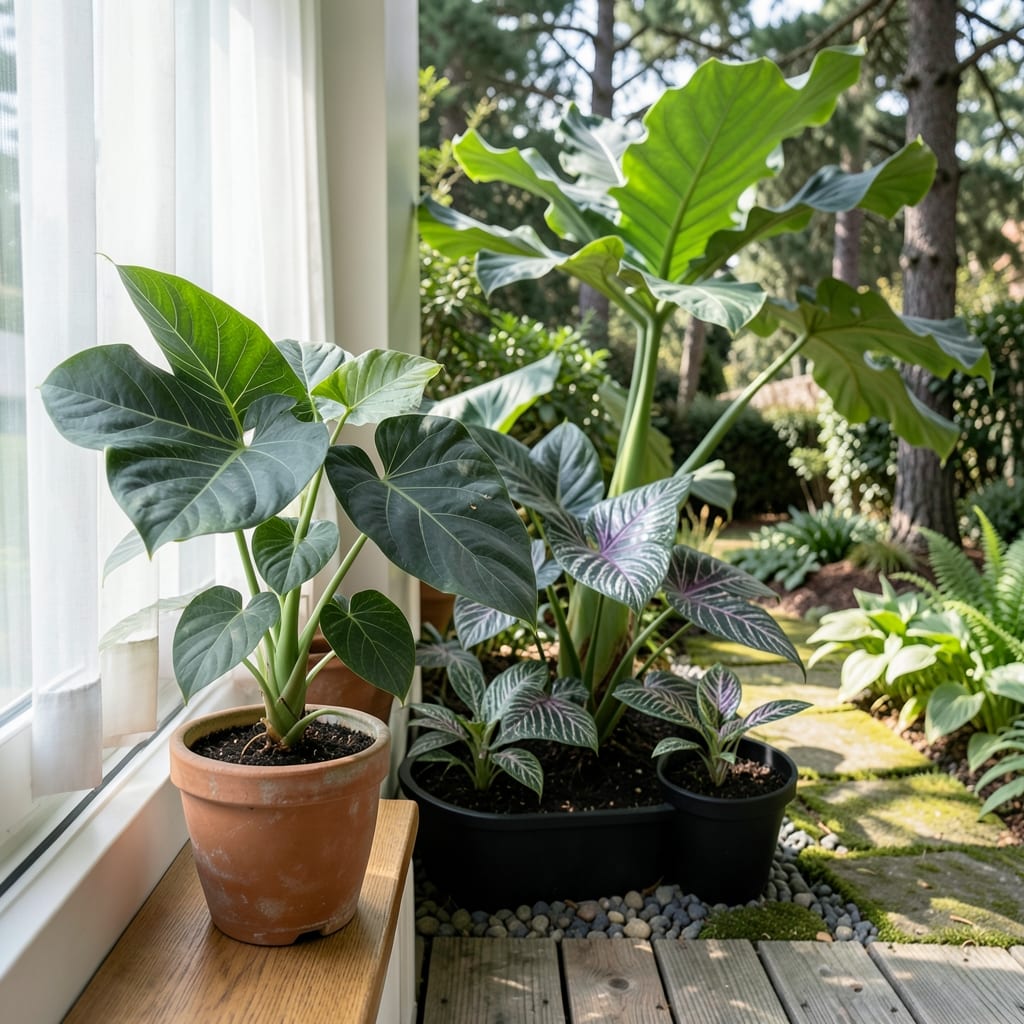
If you're wondering how tall do alocasia grow, the answer might surprise you—these tropical showstoppers can reach heights that rival your ceiling beams, but not all varieties play by the same rules. The stunning 🌿 Alocasia comes in everything from petite tabletop plants to towering giants that need a dedicated corner, making them perfect for both small apartments and sprawling gardens.
For example, the beloved Alocasia Polly typically stays between 2-3 feet tall, making it an ideal choice for windowsills or office desks, while varieties like Alocasia zebrina can stretch up to 5 feet or more with the right conditions. The key to managing their height lies in understanding their growth habits and giving them the care they crave.
Light exposure, pot size, and even humidity levels play a huge role in whether your Alocasia stays compact or shoots up like a jungle giant. With the right tips, you can keep even the tallest varieties in check—or let them flourish if you have the space. Let’s break down what influences their growth and how to get the perfect height for your home.
Whether you're a plant parent with limited space or dreaming of a lush indoor jungle, knowing these growth patterns will help you choose the perfect Alocasia for your setup. Ready to discover which varieties fit your space—and how to nurture them to their full potential?

Alocasia height by variety: from compact to towering giants
Alocasia plants are famous for their dramatic foliage and varied heights, ranging from petite tabletop plants to towering tropical giants. The mature height of an alocasia depends heavily on its variety, with some staying under 3 feet while others can reach 5 feet or more in ideal conditions. Understanding these differences will help you choose the perfect plant for your space and care needs.
For example, the Alocasia Polly (also called Alocasia 'Dragon Scale') is one of the most popular compact varieties, typically maturing between 2-3 feet tall. Its smaller size makes it ideal for desks, shelves, or small apartments. Meanwhile, the Alocasia zebrina can grow 4-6 feet tall indoors and even taller outdoors, making it a statement piece for larger rooms or greenhouses.
Outdoor conditions can significantly boost growth, as alocasias thrive in humid, tropical climates with bright indirect light. In these environments, even dwarf varieties may grow taller than expected. For instance, Alocasia 'Mini Taro' might reach 3 feet outdoors but stay under 2 feet indoors. Always factor in your growing conditions when selecting a variety.
Here’s a quick comparison of popular alocasia varieties and their typical mature heights to help you visualize their potential:
| Variety | Indoor Height | Outdoor Height | Growth Rate |
|---|---|---|---|
| Alocasia Polly | 2-3 ft | 3-4 ft | Slow to Moderate |
| Alocasia zebrina | 4-6 ft | 6-8 ft | Moderate to Fast |
| Alocasia 'Dragon Scale' | 2-3 ft | 3-5 ft | Slow |
| Alocasia 'Mini Taro' | 1-2 ft | 2-3 ft | Very Slow |
| Alocasia 'Black Stem' | 3-4 ft | 5-6 ft | Moderate |
If you're growing alocasias indoors, remember that pot size plays a crucial role in height control. Smaller pots restrict root growth, which can slow vertical expansion and encourage bushier foliage. For example, keeping an Alocasia zebrina in a 12-inch pot might limit its height to 4-5 feet instead of its full potential.
For those with limited space, varieties like Alocasia 'Mini Taro' or Alocasia 'Polly' are excellent choices. They thrive in small pots and bright indirect light, making them perfect for windowsills or office setups. Even in these compact varieties, providing high humidity and consistent moisture will encourage healthier growth and larger leaves.
Outdoor alocasias, however, have no height limits in ideal conditions. In USDA Zone 10 or warmer, where they can grow year-round, varieties like Alocasia macrorrhizos (giant taro) can reach 6-8 feet tall and produce massive leaves. If you're growing outdoors, consider pruning regularly to manage size and shape, especially in small gardens.
Another factor to consider is the growth rate. Some alocasias, like Alocasia 'Polly', grow slowly and may take 2-3 years to reach their mature height. Others, like Alocasia zebrina, can grow 1-2 feet per year under optimal conditions. Planning for this growth ensures your plant has enough space to thrive without becoming root-bound.
Whether you're aiming for a tropical statement piece or a small-space-friendly plant, choosing the right alocasia variety is the first step. Next, we’ll explore how to control growth height and keep your alocasia at your desired size—whether that’s a compact desk plant or a room-filling giant. 🌿
Factors that influence Alocasia growth height (and how to control it)
If you've ever wondered why your Alocasia Polly stayed petite while your neighbor's Alocasia zebrina shot up like a jungle tree, the answer lies in growth factors you can control. Light exposure, pot size, humidity, and even pruning techniques play massive roles in determining whether your alocasia becomes a compact tabletop plant or a towering room divider. Understanding these variables lets you shape your plant's height to fit your space—whether that's a tiny apartment or a sprawling greenhouse.
The most critical factor is light exposure. Alocasias crave bright indirect light—think east or west-facing windows—but direct sunlight can scorch their delicate leaves. Too little light slows growth, while too much can stunt it entirely. Place your alocasia within 3-5 feet of a window for balanced growth. If your space lacks natural light, supplement with grow lights to encourage steady, controlled height increases.
Here’s a warning about common mistakes that can send your alocasia skyrocketing: Overpotting is a frequent culprit. While it might seem logical to give your plant plenty of room, oversized pots encourage rapid root and stem growth, leading to uncontrolled height spikes. For example, a 16-inch pot might push an Alocasia zebrina to 6 feet tall when a 12-inch pot would keep it at 4-5 feet. Always choose a pot that’s 2-3 inches larger in diameter than your plant’s current root ball.
Avoid these height boosters if you want to keep your alocasia compact:
- Overpotting: Larger pots = faster vertical growth.
- Excessive fertilizer: Too much nitrogen = rapid but leggy growth.
- Low humidity: Causes stress, leading to elongated stems.
- Direct sunlight: Burns leaves and stunts growth.
Instead, use smaller pots, balanced fertilizer, and humidity trays to maintain a controlled height.
Humidity is another game-changer for alocasia height. These tropical plants thrive in 60-80% humidity, but most homes sit at 30-50%**. Low humidity triggers etoliation—where stems stretch unnaturally to reach moisture, creating a lanky, weak plant. To combat this, place your alocasia on a pebble tray with water or use a humidifier nearby. For Alocasia 'Polly', maintaining high humidity can keep its height under 3 feet even in dry climates.
Pruning is your secret weapon for height control. Regularly trimming overgrown leaves or long stems encourages bushier growth and prevents your alocasia from becoming top-heavy. For varieties like Alocasia zebrina, prune back 1/3 of the plant in early spring to reduce height by 1-2 feet and stimulate new, compact growth. Always use sterilized scissors and prune just above a leaf node to encourage branching.
Finally, fertilizer type and frequency impact height. Alocasias respond best to a balanced 10-10-10 fertilizer applied every 4-6 weeks during spring and summer. Too much nitrogen (the first number) promotes leafy but leggy growth, while a low-nitrogen, high-phosphorus fertilizer (like 5-10-10) encourages compact, bushier plants. For slow-growing varieties like Alocasia 'Mini Taro', reduce fertilizer to once every 8 weeks to maintain their under-2-foot height.
By mastering these factors, you can shape your alocasia’s height to match your space—whether you want a desk-sized accent or a floor-filling statement piece. Next, we’ll dive into the best dwarf varieties for small spaces, so you can bring home an alocasia that fits perfectly without sacrificing stunning foliage. 🌿