
How To
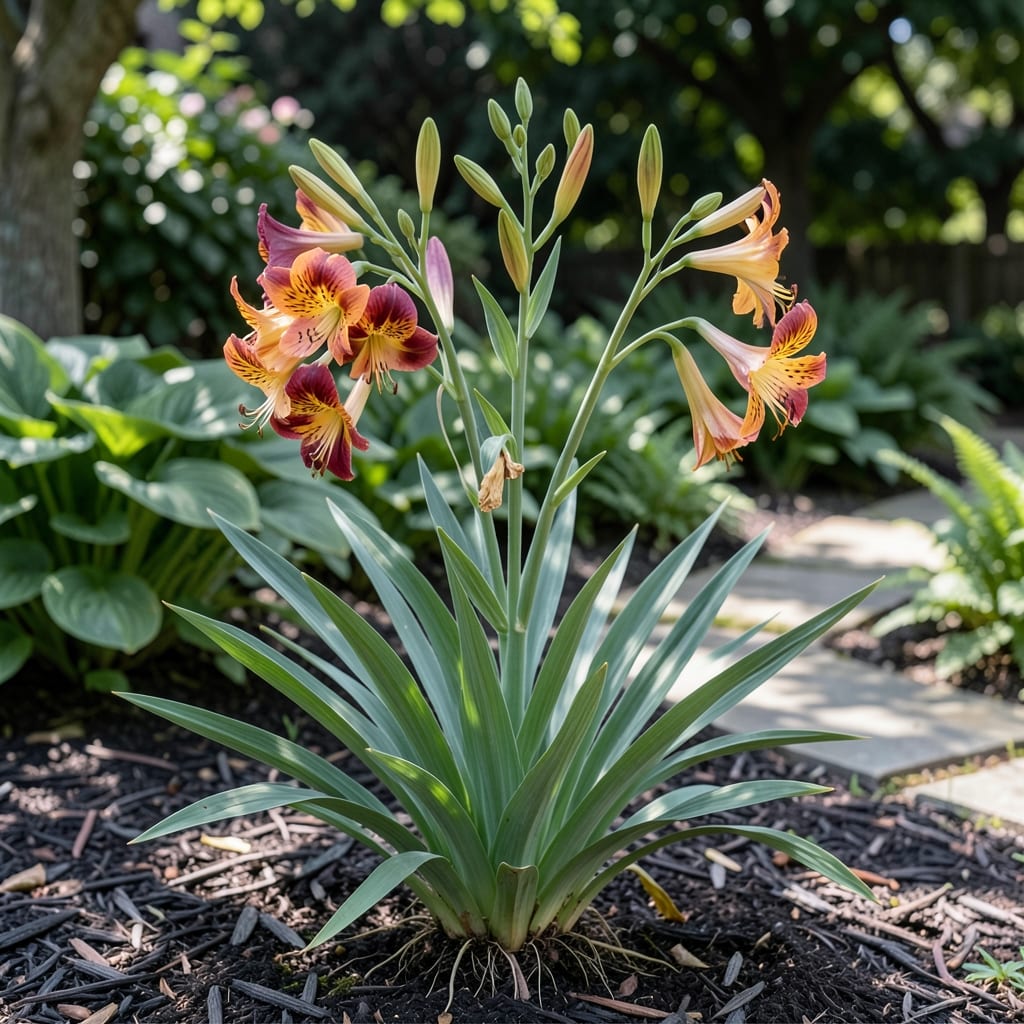
If you're planning your garden and wondering how tall do alstroemeria grow, you're in the right place—because these cheerful 🌸 blooms can surprise you with their range! Some varieties stay compact at just 8-12 inches, perfect for borders or containers, while others reach a towering 3 feet or more, making them standout stars in your landscape.
The key to getting the most from your alstroemeria lies in understanding their growth habits. Whether you're working with dwarf types or tall varieties, knowing how they'll mature helps you space them correctly and avoid overcrowding. Too much shade or poor soil can stunt their height, but with the right care, they'll reward you with vibrant blooms all season.
In this guide, I'll break down the height ranges by variety, share tips to encourage optimal growth, and help you choose the perfect alstroemeria for your garden layout. Whether you're a beginner or a seasoned gardener, these insights will ensure your flowers reach their full potential without taking over your space.
Ready to transform your garden with these versatile blooms? Let's dive into what you need to know to make the most of your alstroemeria's height—from dwarf clusters to towering stems.


Alstroemeria height ranges by variety: compact to towering options
Alstroemeria 🌸 height varies dramatically depending on the variety, with some staying as short as 8 inches while others stretch toward 4 feet. This diversity makes them incredibly versatile for any garden design—whether you're creating a border garden, filling containers, or adding height to mixed plantings. The key is choosing the right variety for your space and understanding how their mature size impacts spacing and care.
For gardeners with limited space, dwarf varieties like 'Regina' or 'Dwarf Pink' are perfect, reaching just 6-12 inches tall. These make excellent edging plants or container stars. If you're working with larger beds, tall varieties like 'Pink Lady' or 'Black Pearl' can reach 3-4 feet, creating dramatic focal points when planted in groups.
Most standard alstroemeria varieties fall in the 2-3 foot range, which is ideal for cutting gardens or mixed borders. Their upright growth habit means they won't sprawl like some other perennials, making them low-maintenance choices for busy gardeners. However, their height potential depends heavily on growing conditions—proper sunlight, soil, and pruning can push them toward their maximum size.
Here's how to visualize the height differences and plan your garden accordingly:
When selecting alstroemeria for your garden, consider how their mature height will interact with surrounding plants. For example, pairing 1-foot dwarf varieties with 3-foot tall varieties creates a beautiful tiered effect. Always leave extra space around taller stems to allow for airflow, which reduces the risk of fungal diseases that can stunt growth.
Another factor to consider is the growth habit of alstroemeria. While they grow upright, some varieties produce multiple stems that can become top-heavy, especially in windy conditions. Staking or planting near supportive structures can prevent flopping, ensuring your taller varieties maintain their height and shape throughout the season.
If you're growing alstroemeria in containers, opt for dwarf or semi-dwarf varieties to avoid overcrowding. A 12-inch tall variety in a 10-inch pot will thrive, while a 3-foot variety would need a much larger container to support its root system and prevent tipping. Always use pots with drainage holes to prevent root rot, which can severely limit height potential.
For gardeners in cooler climates (USDA zones 5-6), alstroemeria's height may be slightly reduced in the first year as the plant establishes its root system. However, with proper care, they'll reach their full height potential in subsequent years. Mulching around the base in early spring helps insulate roots and encourages stronger growth.
Remember that alstroemeria's height isn't just about aesthetics—it also affects how you maintain them. Taller varieties may need occasional pruning to remove spent blooms and encourage new growth, while dwarf varieties benefit from light trimming to maintain their compact shape. Understanding these nuances will help you create a thriving alstroemeria display that fits perfectly in your garden plan.
How alstroemeria growth habits affect your garden layout
Understanding how alstroemeria grows isn't just about their height ranges—it's also about their spreading habits and how they interact with other plants. Unlike some perennials that sprawl or creep, alstroemeria grows in upright clumps, producing multiple stems from a central base. This growth pattern makes them ideal for structured garden designs, but it also means you'll need to plan spacing carefully to avoid overcrowding.
Most alstroemeria varieties grow in clumping formations, meaning each plant produces several stems that fan out slightly as they mature. This habit creates a natural, full look without requiring staking, but it does mean you should space plants according to their mature width (not just height). For example, a 2-foot tall variety might spread 18-24 inches wide, while a 3-foot tall variety could reach 24-30 inches across.
Their upright growth makes alstroemeria perfect for back-of-border plantings or as focal points in mixed beds. When designing your layout, place taller varieties toward the center or back of a border to avoid blocking sunlight from shorter plants. Dwarf varieties, on the other hand, thrive in front-row plantings or containers, adding color without overshadowing neighbors.
Here’s how their growth habits influence your garden design:
- 🌱 Upright Growth: Alstroemeria grows vertically, making them ideal for adding height without sprawling.
- 🌿 Clumping Habit: Multiple stems emerge from one base, creating a full, bushy appearance naturally.
- ☀️ Sunlight Needs: Requires 6+ hours of full sun daily to reach maximum height and bloom quality.
- 💧 Watering Impact: Overwatering can cause stems to weaken, reducing height potential—aim for deep but infrequent watering.
- ✂️ Pruning Effects: Deadheading spent blooms encourages taller, bushier growth by redirecting energy to new stems.
Alstroemeria’s growth habits also play a role in their seasonal performance. In early spring, you’ll see rapid stem elongation as the plant focuses on reaching sunlight. By mid-summer, growth slows slightly as energy shifts to flower production, but with proper care, taller varieties can continue adding height until the first frost. This makes them a great choice for long-season gardens where you want consistent blooms from June through October.
If you’re growing alstroemeria in containers, their upright growth is a double-edged sword. While it keeps them compact, it also means they can become top-heavy, especially in windy conditions. Choose containers with a wide base to stabilize taller varieties, and consider adding a lightweight support stake if your pots are placed in exposed areas. For ground plantings, mulching around the base helps insulate roots and encourages stronger, straighter stems.
One common mistake gardeners make is overcrowding alstroemeria, which leads to competition for nutrients and reduced height potential. Always follow the spacing guidelines for your specific variety—taller types need more room to avoid flopping or breaking under their own weight. By planning for their growth habits upfront, you’ll create a garden where alstroemeria thrives, reaching its full height and blooming beautifully all season.