
Size
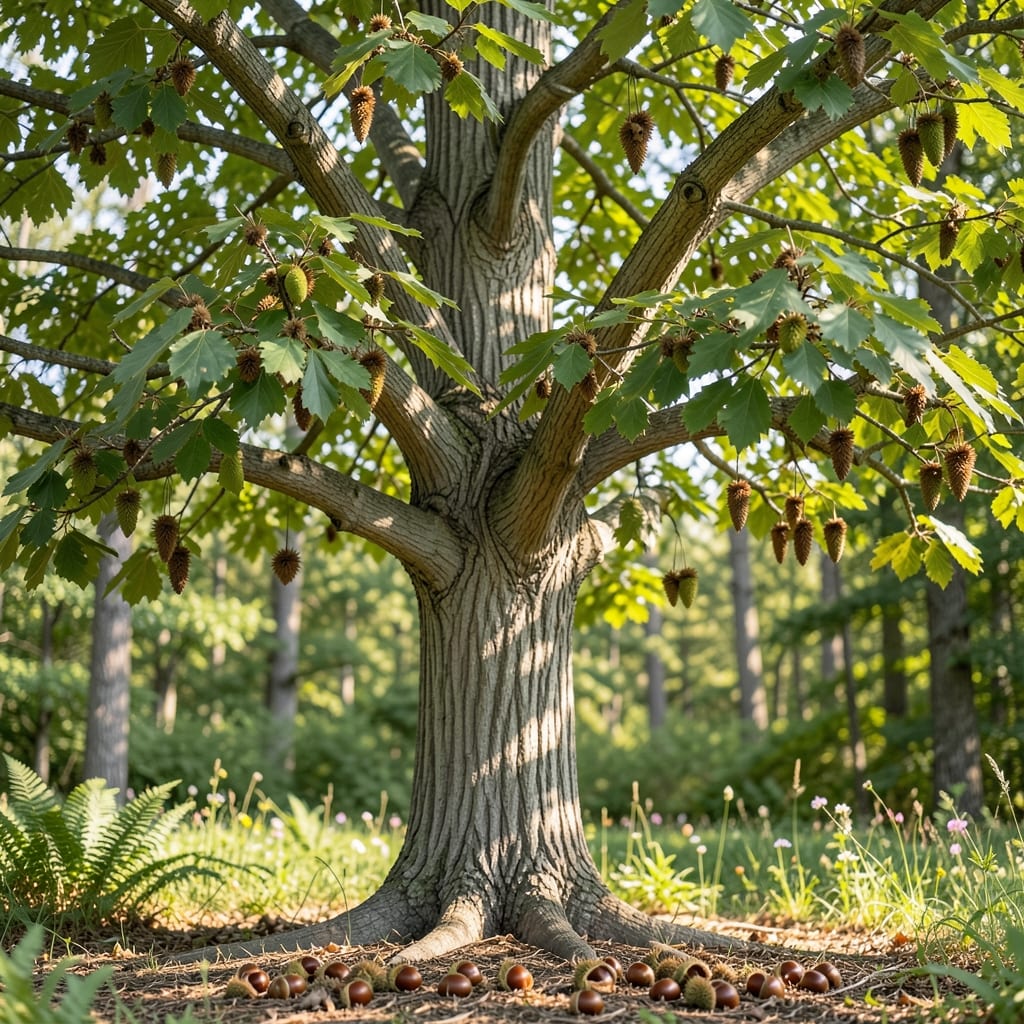
If you're wondering "how tall do American chestnut trees grow", the answer might surprise you—these majestic 🌳 giants once towered over 70 to 100 feet in their prime, rivaling the height of red oaks and hickories. Before the chestnut blight devastated forests in the early 1900s, these trees shaped entire ecosystems, their towering canopies providing shade and habitat for countless species.
Today, thanks to modern science and blight-resistant cultivars like 'Dunstan' and 'Monarch 7,' you can still grow American chestnut trees—but their heights have adjusted to 50 to 80 feet on average. While not quite as colossal as their ancestors, these revived trees still make a stunning statement in landscapes, especially in USDA Zone 6a and beyond.
What’s even more fascinating is how quickly they grow. Young trees can shoot up 2 to 4 feet per year, reaching 60 feet in just 15 years under ideal conditions. Whether you're dreaming of a shade tree for your backyard or restoring a piece of history, understanding their growth potential is the first step to success.
The key to unlocking their full height lies in the right conditions—full sun, well-drained soil, and proper care. But with the right approach, you could be growing a tree that not only honors the past but also shapes the future of American forests.


Original American chestnut tree heights: historical records before the blight
The original American chestnut trees (Castanea pectinata) were forest giants, often reaching 70 to 100 feet at maturity. Before the chestnut blight struck in the early 1900s, these trees dominated eastern U.S. forests, their towering trunks and sprawling canopies creating entire ecosystems. Historical records from old-growth forests describe specimens exceeding 100 feet, rivaling white oaks and tulip poplars in stature.
In prime conditions, these trees grew 2 to 3 feet per year during their first decade, with some reaching 60 feet in just 20 years. Their straight, sturdy trunks made them valuable for timber, while their nut-producing capabilities supported wildlife like deer, squirrels, and birds. The loss of these trees wasn’t just ecological—it was a cultural shift in American forests.
For perspective, a 100-foot chestnut would tower over a 6-story building, its canopy spreading 30 to 50 feet wide. These trees were the dominant hardwoods in mixed forests, often outcompeting other species for sunlight and space. Their height wasn’t just a physical trait—it was a survival strategy in dense woodland environments.
Here’s a snapshot of their historical growth metrics compared to other iconic hardwoods:
| Tree Species | Average Mature Height | Growth Rate (First 20 Years) | Canopy Spread |
|---|---|---|---|
| American Chestnut | 70–100 ft | 2–3 ft/year | 30–50 ft |
| White Oak | 60–80 ft | 1–2 ft/year | 40–60 ft |
| Tulip Poplar | 70–90 ft | 3–4 ft/year | 50–70 ft |
| Red Maple | 40–60 ft | 1–1.5 ft/year | 30–40 ft |
The chestnut’s rapid early growth made it a standout even among fast-growing hardwoods like tulip poplars. However, their lifespan of 200+ years meant they often didn’t reach their full height until late in life. Today, understanding these historical growth patterns helps us appreciate what modern cultivars are achieving—and what’s still possible with the right care.
One fascinating detail is how chestnuts grew in dense clusters, often sprouting from a single root system. This "sprout clump" behavior meant a single tree could produce multiple trunks, each contributing to the overall height and width. While modern hybrids focus on single-trunk growth, this historical trait shows the tree’s resilience and adaptability.
For gardeners and foresters alike, these historical heights serve as a benchmark. While today’s blight-resistant varieties may not reach the same towering heights, they’re still capable of 60 to 80 feet under ideal conditions. The key difference? Modern trees prioritize disease resistance over sheer size, proving that nature and science can strike a balance.
If you’re planting a chestnut today, remember: you’re not just growing a tree—you’re restoring a piece of American forest history. With the right site and care, your tree could one day stand as tall as the legends of the past.
🌳
Modern blight-resistant American chestnut cultivars: revived heights and growth rates
When you plant a modern blight-resistant American chestnut today, you’re not just growing a tree—you’re participating in a forest restoration effort. Cultivars like 'Dunstan' and 'Monarch 7' have been bred to resist the fungal blight that once wiped out 4 billion trees, but their height potential is still impressive. While they won’t reach the 100-foot giants of the past, these hybrids typically grow 50 to 80 feet at maturity, with some exceptional specimens exceeding that range under ideal conditions.
The real magic happens in their early growth phases. Young chestnut trees can shoot up 2 to 4 feet per year during their first decade, reaching 15 to 20 feet in just 5 years. This rapid growth makes them a favorite for landscapers and reforestation projects alike. Unlike their historical counterparts, which often grew in dense clumps, modern cultivars are bred for single-trunk development, creating a cleaner, more structured silhouette perfect for both urban and rural settings.
Here’s how today’s top cultivars compare in terms of height and growth:
| Cultivar | Mature Height | Growth Rate (First 10 Years) | Blight Resistance |
|---|---|---|---|
| Dunstan | 60–80 ft | 3–5 ft/year | High |
| Monarch 7 | 50–70 ft | 2–4 ft/year | Very High |
| Barlow | 55–75 ft | 2.5–4 ft/year | High |
| Elliot | 60–80 ft | 3–5 ft/year | Very High |
What’s remarkable about these cultivars is their adaptability. While historical chestnuts thrived in rich, moist soils, modern varieties can tolerate a wider range of conditions—including drier soils and urban environments. This makes them ideal for home gardens, parks, and reforestation projects across the eastern U.S. However, their full height potential is only realized with the right care, including proper pruning, fertilization, and protection from pests.
One common misconception is that blight-resistant chestnuts grow slower than their ancestors. In reality, their growth rates are comparable, but their lifespan and disease resistance make them far more reliable for long-term planting. For example, a 'Dunstan' chestnut can reach 40 feet in just 10 years, making it a faster investment than many other hardwoods like oaks or maples.
If you’re considering planting one of these cultivars, think about your space and goals. A 60-foot tree needs ample room—at least 30 feet in diameter for its canopy to spread without crowding other plants. For smaller properties, you might opt for a young sapling and prune it regularly to control height, though this will limit its full potential. The trade-off? A healthier, longer-lived tree that can outlive multiple generations.
🌳 For those passionate about restoring native ecosystems, these modern chestnuts offer a second chance to bring back a keystone species. Their height alone isn’t their greatest legacy—it’s their ability to rebuild forests and support wildlife that truly matters.