
Size
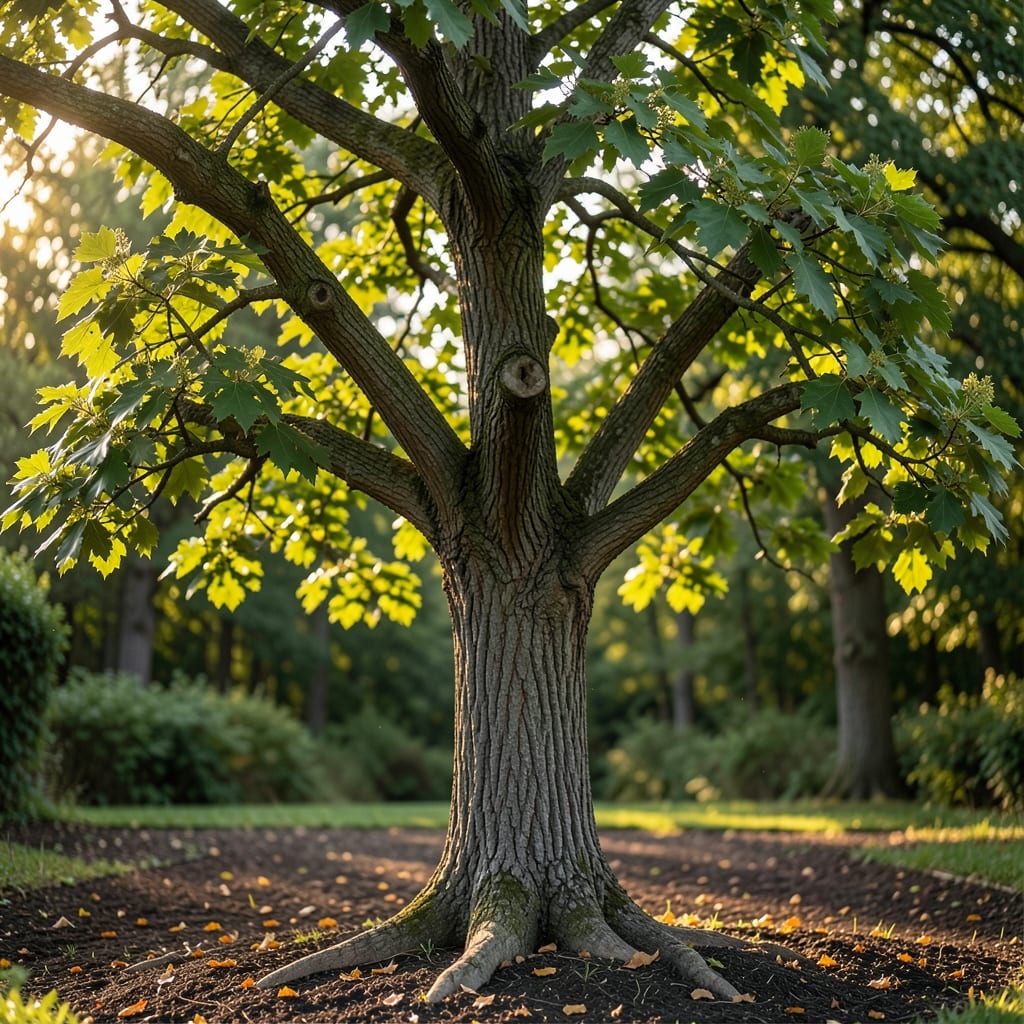
If you're wondering how tall American elm trees grow, you're about to discover why they're one of nature's most impressive shade providers—reaching heights that can dwarf even the tallest buildings in your neighborhood.
These majestic 🌳 American Elm Trees typically mature between 70 and 100 feet, though some specimens in ideal conditions can stretch even taller. That's enough to provide decades of shade while becoming a stunning focal point in any landscape. But before you plant one, you'll want to know how to manage their rapid growth and sprawling canopy.
What makes these trees so fascinating is their ability to grow 3 to 5 feet per year when young, creating a living canopy that's both beautiful and functional. Whether you're in USDA Zone 6a or a warmer climate, understanding their growth habits will help you decide if this tree is right for your space.
In this guide, I'll break down everything you need to know about their mature size, regional variations, and practical tips for keeping them at your desired height—so you can enjoy their benefits without losing control of your yard.


American elm tree height: natural growth limits and mature size expectations
The American elm (Ulmus americana) is one of nature's true giants, capable of reaching heights that will leave your neighbors in awe. On average, these majestic trees grow between 70 and 100 feet tall when mature, with some exceptional specimens surpassing 120 feet in ideal conditions. Their towering presence makes them a standout feature in large landscapes, parks, and rural properties.
What truly sets American elms apart is their rapid growth rate during their youth. In the first 3 years alone, they can shoot up from just 2-4 feet to a staggering 12-20 feet. This early growth spurt means you'll see dramatic changes year after year, especially when planted in fertile, well-drained soil with full sun exposure.
However, their final height isn't just about genetics—climate plays a crucial role. Trees in the southeastern United States often reach their maximum potential, while those in northern regions may max out around 60-80 feet due to shorter growing seasons. The Mississippi River valley is particularly famous for hosting some of the tallest American elms on record.
🌱 American Elm Growth Summary
| Growth Stage | Height Range | Timeframe | Key Factors |
|---|---|---|---|
| Seedling | 2-4 ft | First year | Soil moisture, sunlight |
| Juvenile | 12-20 ft | Years 3-10 | Nutrient availability |
| Mature | 70-100 ft | 20+ years | Climate, pruning history |
| Record Specimens | 120+ ft | 50+ years | Optimal growing conditions |
One fascinating aspect of American elm growth is their spreading canopy, which can reach 50-75 feet wide at maturity. This creates an expansive shade that's perfect for large yards, but it also means these trees need plenty of space to avoid crowding power lines or neighboring structures. Always measure your property carefully before planting.
The fastest growth periods occur during the first 10-15 years of life, when trees can add 2-4 feet annually under ideal conditions. After this rapid phase, growth slows to about 1 foot per year as the tree matures. This growth pattern is why many gardeners choose American elms—they provide quick shade benefits while still developing into long-lived specimens.
Interestingly, urban American elms often grow slower and shorter than their rural counterparts due to pollution, compacted soil, and limited space. In cities, you might see mature heights closer to 50-70 feet rather than the full 100-foot potential. The root system's depth also plays a role—deep, unobstructed roots allow for taller growth, while shallow or restricted roots limit height.
For those considering an American elm, it's worth noting that their lifespan can exceed 200 years when given proper care. This means your tree could easily outlive multiple generations of your family! However, their susceptibility to Dutch elm disease means many historic specimens have been lost, making preservation through proper care even more important.
If you're planting near power lines, remember that American elms can develop vigorous upward growth when their lower branches are removed. This phenomenon, called water sprouting, can lead to rapid height increases if not managed through regular crown thinning. Always consult with local utilities before planting near overhead wires.
For home gardeners, the key takeaway is that while American elms have impressive height potential, their growth can be managed through strategic planting and pruning. With proper care, you can enjoy their majestic presence without overwhelming your landscape—just give them the space they deserve to reach their full, awe-inspiring stature! 🌳
Pruning American elms for height control: expert techniques to maintain desired size
If you're planting an American elm and want to control its towering growth, pruning is your best tool. These trees can grow 3-5 feet per year when young, so regular pruning helps maintain a manageable height while keeping the canopy healthy. The key is to prune at the right time—late fall or early spring—when the tree is dormant but before new growth begins.
Start by removing dead, diseased, or crossing branches first, as these can weaken the tree or create entry points for pests. Use clean, sharp pruning shears or a pruning saw for larger branches, and always make cuts just outside the branch collar to promote faster healing. Avoid cutting into the trunk itself, as this can leave wounds that invite infections.
🌿 Step-by-Step Pruning Guide
- ✂️ Remove dead/diseased branches first to prevent spread of pathogens.
- 🌱 Thin the canopy by cutting back 20-30% of the smallest branches to improve airflow.
- 📏 Limit height increase by pruning upward growth in early spring before buds swell.
- 🌳 Shape the tree by removing branches that grow inward or downward.
- 💧 Water thoroughly after pruning to help the tree recover.
To control height, focus on removing the topmost branches during dormancy. This encourages the tree to grow outward rather than upward. However, be cautious—over-pruning can stress the tree and make it more vulnerable to Dutch elm disease. Never remove more than 25% of the canopy in a single season, and avoid heavy pruning during summer when the tree is actively growing.
For urban plantings where space is limited, consider crown reduction techniques that maintain the tree's natural shape while reducing its overall size. This involves shortening the branches by 1/3 to 1/2 their length, which stimulates bushier growth. Always use sterilized tools between cuts to prevent fungal infections that can spread through open wounds.
One common mistake is pruning too late in the season, which can stimulate new growth that won't harden off before winter. If you must prune in summer, do so early in the season and avoid removing more than 10% of the foliage. For height control, the best approach is to prune in late winter when the tree's energy is focused on new growth rather than defense.
Remember that American elms are fast-growing trees, so even with pruning, they'll eventually reach their mature height if given enough space. If you're concerned about power lines, consider planting a dwarf variety (though none exist for American elms) or opting for a similar shade tree with controlled growth, like a Japanese Zelkova or Serviceberry. With proper pruning, you can enjoy your elm's beauty without sacrificing your landscape's layout! ✂️