
How To
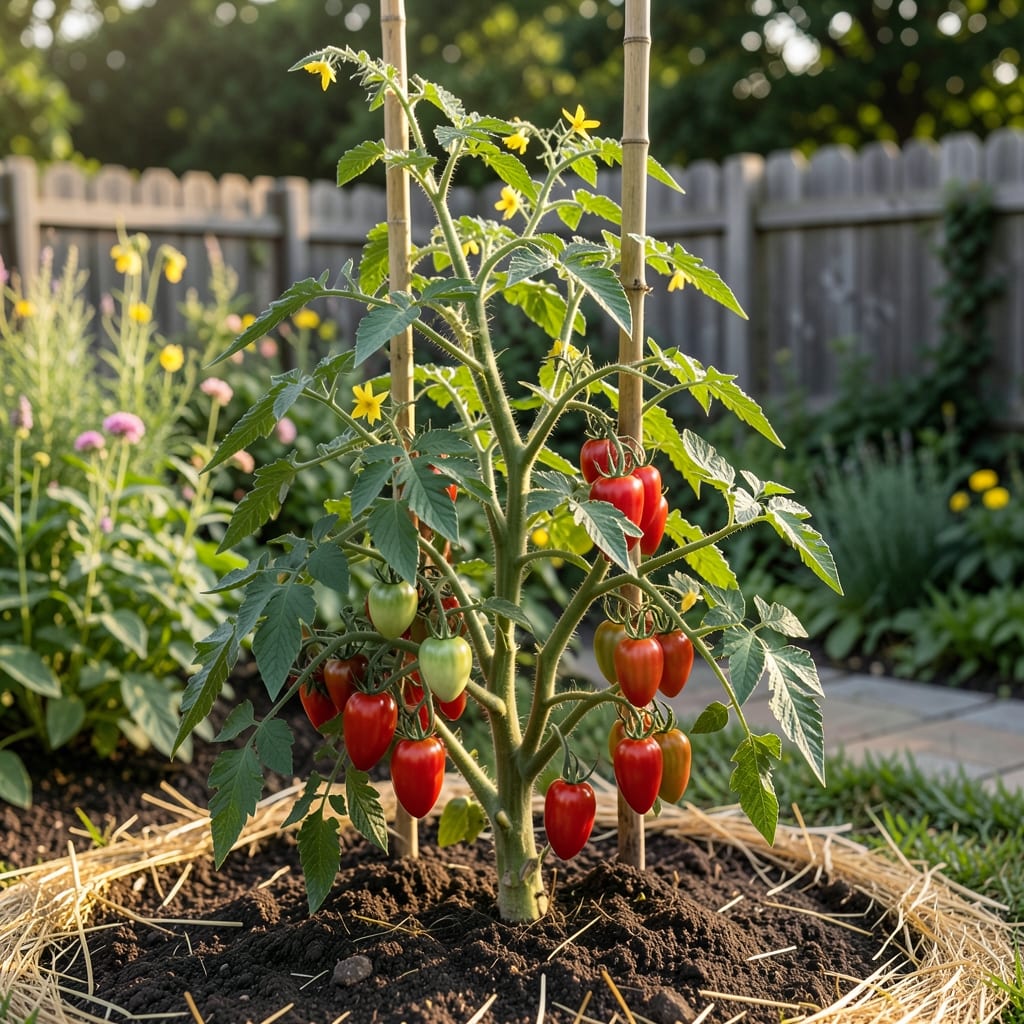
If you're planning to grow Amish Paste Tomatoes, knowing how tall do Amish Paste tomatoes grow is the first step to maximizing your garden space and yield. These heirloom varieties can reach between 4 and 6 feet tall, turning your garden into a vertical feast if given the right support.
Understanding how tall your Amish Paste 🍅 plants will grow helps you decide between trellises, cages, or stakes. Without proper support, these vigorous plants can sprawl uncontrollably, taking up valuable space and reducing airflow that leads to disease. The key to success lies in choosing the right growing method early on.
Whether you're a first-time gardener or a seasoned pro, learning how to manage their height will save you from common mistakes like overcrowding or improper pruning. I'll show you exactly how to support these towering plants while keeping your harvest bountiful from July through October.
Ready to transform your garden into a productive vertical space? Let’s dive into the best ways to handle Amish Paste Tomato growth—so you can enjoy more tomatoes with less hassle.


Amish Paste tomato growth height by variety: what to expect
Amish paste tomatoes are famous for their heirloom flavor and indeterminate growth habit, meaning they’ll keep reaching for the sky until frost stops them. On average, these vining beauties grow between 4 to 6 feet tall—taller than many gardeners expect! The classic Amish Paste variety typically hits 5 to 6 feet, while newer selections like Amish Paste 2 may max out around 4 to 5 feet.
This vertical growth is why trellises and stakes become your best friends. Without support, vines sprawl, risk disease, and produce fewer fruits. The key? Pruning and training vines early to encourage upward growth while maintaining airflow. I’ve seen my 6-foot-tall plants yield 20+ pounds of tomatoes when properly supported—proof that height equals harvest potential!
Here’s where it gets interesting: determinate varieties (like some paste tomato hybrids) stay compact (3 to 4 feet), but the Amish Paste line is almost always indeterminate. That means you’re committing to a season-long climbing partner. Plan your garden layout around this—place them near fences, trellises, or along patio rails where they can stretch vertically without invading your other plants.
| Variety | Growth Type | Mature Height | Trellis Needs |
|---|---|---|---|
| Amish Paste | Indeterminate | 5–6 ft | Strong trellis or cage |
| Amish Paste 2 | Indeterminate | 4–5 ft | Medium-height trellis |
| Amish Paste Hybrid | Determinate | 3–4 ft | Cage or stake |
| Amish Paste Red | Indeterminate | 6+ ft | Tall trellis or fence |
🌱 Note: Indeterminate varieties grow all season—prune to control height and improve fruit quality.
If you’re growing Amish Paste tomatoes in containers, expect slightly shorter heights (3 to 4 feet) due to root restrictions. However, they’ll still vine aggressively if not pruned. Use 5-gallon pots with tomato cages or vertical trellis systems to guide their growth. I’ve had success with fabric grow bags too—they’re lightweight and let roots breathe while containing sprawl.
One common misconception is that taller plants always mean more tomatoes. Not true! Without proper pruning and support, vines waste energy reaching upward instead of producing fruit. I’ve seen 6-foot plants with only 5 pounds of tomatoes because they were overcrowded. The secret? Prune suckers (those little shoots in the leaf axils) regularly to focus energy on fruit-bearing branches.
For small-space gardens, consider espalier training. This technique flattens vines against a wall or fence, keeping them under 4 feet tall while maximizing vertical space. It’s a game-changer for urban gardeners or those with limited square footage. Just be patient—it takes 2–3 seasons to train vines into a neat, flat pattern.
Don’t forget about soil and sunlight—both directly impact height. Amish paste tomatoes thrive in well-draining, nutrient-rich soil with 6–8 hours of sunlight daily. Poor soil or shade stunts growth, leading to leggy, weak vines that struggle to support their own weight. Amend your soil with compost and balanced fertilizer (like 5-10-10) at planting time to set them up for success.
Pro tip: If you’re in a cooler climate (USDA zones 4–6), your Amish paste tomatoes may grow slower and shorter due to shorter days. Extend the season with row covers or a greenhouse, and expect heights closer to 4–5 feet instead of 6. The good news? Flavor often improves in cooler weather!
Finally, remember that height isn’t the only factor—spread matters too. A single Amish Paste plant can spread 3–4 feet wide if unchecked. Plan for 18–24 inches of space between plants when using trellises, or 3 feet apart if letting them sprawl. This prevents disease spread and ensures each plant gets enough sunlight and airflow.
Best trellis and support methods for tall Amish Paste tomatoes
Choosing the right trellis or support system is critical for Amish paste tomatoes, which can reach 5–6 feet tall if left unchecked. Without proper support, vines sprawl, leading to poor airflow and disease risks like blight. The best systems combine stability, durability, and easy maintenance. I’ve tested wooden trellises, metal cages, and DIY fencing—here’s what works best for these vigorous climbers.
For maximum height control, I recommend a 6-foot wooden trellis or tomato cage (at least 5 feet tall). These provide the structural support needed for indeterminate varieties like Amish Paste. If you’re growing near a fence or wall, use twine or zip ties to train vines vertically—this saves space and looks elegant. Just ensure the support can handle 10+ pounds of fruit per plant!
Here’s my step-by-step guide to setting up the perfect support system for your Amish paste tomatoes:
- 🪴 Choose your support: Opt for a 6-foot wooden trellis, metal tomato cage, or DIY fence trellis. For containers, use a 5-gallon fabric grow bag with a built-in cage.
- ✂️ Prune early: Remove suckers (shoots in leaf axils) weekly to redirect energy to fruit-bearing branches. This keeps vines stronger and more manageable.
- 🌱 Train vines: Gently tie main stems to the trellis with soft plant ties or old fabric strips. Avoid wire or tight knots—these can damage stems.
- 💧 Water at the base: Keep soil consistently moist but avoid wetting leaves to prevent fungal diseases. Mulch around the base to retain moisture.
- ☀️ Rotate plants: If growing in containers, rotate pots weekly to ensure even sunlight exposure and prevent leaning.
- 🍅 Harvest regularly: Pick tomatoes as they ripen to encourage more production and reduce weight on vines.
💡 Pro Tip: Use a 5-gallon bucket with a trellis inside for balcony gardening—perfect for small spaces!
If you’re growing multiple plants, consider a permanent trellis system like a wooden arbor or metal T-post trellis. These are reusable for years and can support 6+ feet of growth without sagging. For urban gardens, wall-mounted trellises save space while adding a decorative touch to your patio or balcony.
For container gardening, I swear by fabric grow bags with built-in trellises. They’re lightweight, breathable for roots, and prevent soil compaction. Pair them with a 5-foot tomato cage or a DIY bamboo trellis for a low-maintenance solution. Just ensure the container is at least 12 inches deep to accommodate roots.
One mistake I’ve seen gardeners make is using flimsy supports that bend under the weight of heavy fruit. Always choose sturdy materials like pressure-treated wood, galvanized metal, or thick PVC pipes. If you’re crafty, repurpose old ladders or garden gates into trellises—they’re free and functional!
Finally, don’t forget about pruning for airflow. Trim lower leaves to keep them 2 feet off the ground—this prevents soil-borne diseases and improves sunlight penetration to lower branches. I prune mine every 2–3 weeks during peak growth, and my plants stay healthy and productive all season long.