
How To
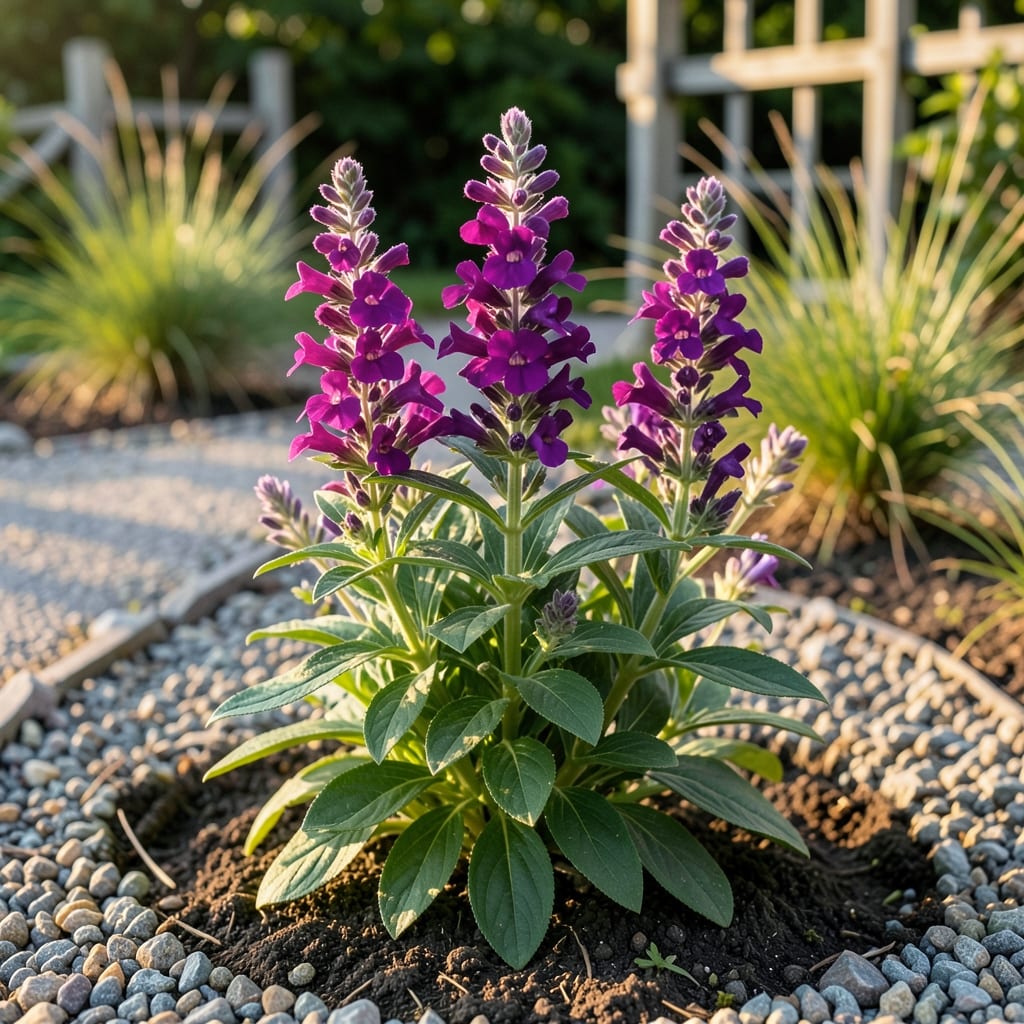
If you're planning your garden beds or containers this spring, knowing how tall do Angelonia grow could make all the difference in your layout. This stunning 🌸 annual packs a punch with dramatic height variations—some varieties stay compact at just 6 inches, while others reach towering 3 feet with proper care.
The secret to controlling Angelonia's height lies in the variety you choose and how you nurture it. Whether you prefer the neat look of dwarf types for window boxes or the bold statement of tall spikes in the back of borders, understanding these differences helps you create the perfect display. I'll show you exactly which varieties fit where and how to encourage the growth you want.
But here's the kicker: sunlight, pruning, and even your soil type play huge roles in whether your Angelonia stays short and bushy or stretches toward the sky. Let me walk you through the key factors that influence height and share my favorite tricks for shaping these plants to your garden's needs.
From deadheading to strategic staking, you'll discover simple techniques that give you complete control over your Angelonia's size. Whether you're working with limited space or dreaming of a dramatic vertical garden, this guide has everything you need to get it right.

Angelonia height variations: compact vs tall growing spikes explained
Angelonia plants can transform your garden from a neat border accent to a dramatic vertical statement—all depending on the variety and care you provide. The height spectrum runs from 6-inch dwarf varieties perfect for window boxes to 48-inch towering spikes that steal the show in mixed borders. Understanding these differences helps you plan spacing, choose containers, and create stunning visual layers in your landscape.
Most gardeners assume Angelonia stays within a 2-to-3-foot range, but the reality is far more flexible. Dwarf types like 'Blue Chip' max out at 12 inches, while 'Summer Beauty' varieties can reach nearly 4 feet when given ideal conditions. The key to unlocking this range lies in sunlight exposure, pruning habits, and soil fertility—all factors I’ll break down for you.
Here’s the visual breakdown of Angelonia’s height spectrum, including growth habits and ideal planting scenarios:
| Variety Type | Height Range | Growth Habit | Ideal Use |
|---|---|---|---|
| Dwarf Varieties | 6–12 inches | Bushy, compact | Window boxes, small pots, edging |
| Semi-Dwarf | 12–18 inches | Upright, slightly spreading | Containers, mixed borders, mass planting |
| Standard | 18–24 inches | Tall, sturdy spikes | Back of borders, cut flowers, tall planters |
| Tall Spikes | 24–48 inches | Very upright, may need staking | Dramatic focal points, tall garden beds |
The dwarf varieties are my go-to for small-space gardens and container arrangements. Their 6-to-12-inch height makes them perfect for filling gaps in window boxes or adding color to patios without overwhelming the space. Varieties like 'Angelonia Blue Chip' produce dense clusters of blooms that spill beautifully over container edges, creating a cascading effect.
On the opposite end, tall-spike varieties like 'Summer Beauty' or 'Angelface' can reach 4 feet or more when given full sun and regular pruning. These are ideal for creating vertical interest in garden beds or as cut flowers for bouquets. The trade-off? They require more space and occasional staking to prevent flopping in wind or rain.
For intermediate gardeners, semi-dwarf types offer the best of both worlds. These 12-to-18-inch plants strike a balance between compact growth and height impact, making them versatile for mixed borders, mass plantings, or large containers. I’ve found they perform exceptionally well in USDA Zone 6a when planted in well-draining soil with morning sunlight.
One common mistake I see is assuming all Angelonia grow the same height. In reality, the same variety can vary by 6–12 inches depending on growing conditions. For example, a 'Summer Beauty' planted in partial shade might only reach 2 feet, while one in full sun with regular pruning could hit 3.5 feet. This flexibility lets you adjust height to fit your space by tweaking care routines.
If you’re designing a container garden, choose dwarf or semi-dwarf varieties to avoid overcrowding. A 12-inch-tall Angelonia paired with trailing petunias creates a balanced, layered look that’s both functional and visually appealing. For in-ground plantings, mix heights—place tall varieties at the back and dwarf types in front to create depth and draw the eye through your landscape.
Remember, pruning plays a huge role in controlling height. Regular deadheading and pinching encourage bushier, shorter growth, while minimal pruning allows plants to reach their maximum height. I’ll cover these techniques in detail in the next section, but for now, keep this height spectrum in mind when selecting varieties for your garden.
Angelonia height variations: compact vs tall growing spikes explained
Angelonia's height can vary dramatically, from 6-inch dwarf varieties perfect for window boxes to 4-foot tall spikes that make stunning backdrop plants. The key difference lies in the variety you choose and how you care for it. For example, 'Angelonia Blue Chip' typically stays between 12-18 inches, while 'Angelonia Summer Beauty' can reach 36 inches or taller with proper growing conditions.
Most gardeners focus on three main height categories: dwarf (6-12 inches), standard (18-24 inches), and tall (24-48 inches). Understanding these categories helps you select the perfect variety for your garden design. Dwarf types excel in containers and hanging baskets, while tall varieties create dramatic vertical interest in garden beds.
🌸 Angelonia Height Comparison
| Variety Type | Mature Height | Growth Habit | Best For |
|---|---|---|---|
| Dwarf | 6-12 inches | Compact, bushy | Containers, window boxes |
| Standard | 18-24 inches | Upright, moderately bushy | Border plants, mixed beds |
| Tall | 24-48 inches | Tall spikes, upright | Back of borders, tall planters |
The growth habit also plays a crucial role in how you'll use these plants. Dwarf varieties like 'Angelonia Angelface' create lush, bushy mounds ideal for mass planting, while taller types develop vertical spikes that need staking. This difference affects not just height but also how you'll space and arrange them in your garden design.
Sunlight exposure significantly impacts height. Angelonia grown in full sun (6+ hours daily) tends to develop taller, more robust spikes, while those in partial shade may stay shorter and bushier. If you're aiming for compact growth, consider placing your plants in slightly shaded areas or providing afternoon shade during hot summers.
Another factor to consider is pruning techniques. Regular pinching of new growth encourages bushier, shorter plants, while minimal pruning allows the plant to reach its full height potential. For example, if you want your 'Angelonia Summer Beauty' to stay around 2 feet instead of reaching 4 feet, simply pinch back the tips of new growth when they reach 6 inches tall.
Remember that Angelonia's height can also be influenced by soil fertility and watering practices. Over-fertilizing with nitrogen-heavy feeds can lead to excessive leafy growth at the expense of height, while consistent moisture helps maintain sturdy stems. For the most balanced growth, use a balanced 10-10-10 fertilizer every 4-6 weeks during the growing season.