
Flowers
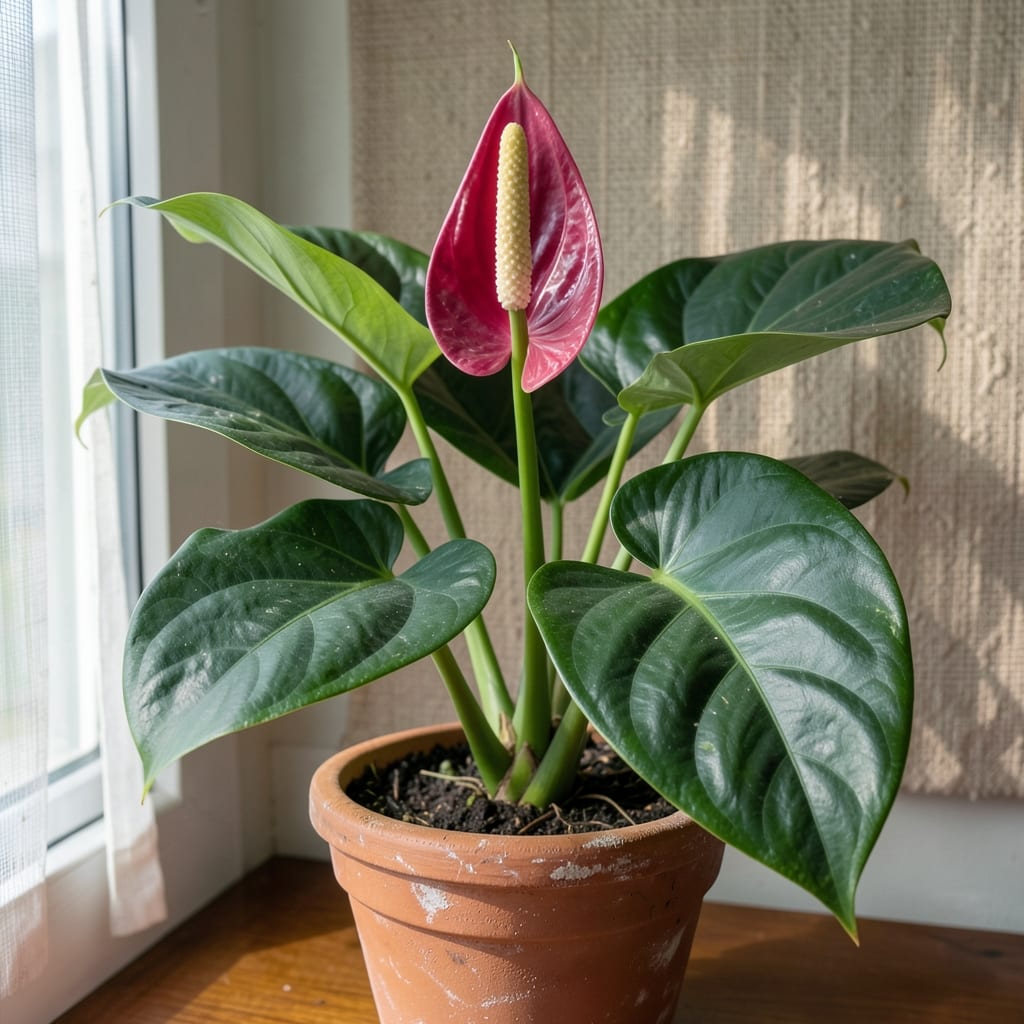
Curious about how tall do anthuriums grow in your space? The answer depends on the variety—and a few simple care tricks that can make all the difference. Most common types like Anthurium andraeanum typically cap out around 2-3 feet indoors, but some tropical varieties can stretch much taller when given the right conditions.
If you're growing yours in USDA Zone 6a or warmer, you might notice faster growth during spring and summer months. The key to controlling height lies in proper lighting, pruning techniques, and even the type of pot you choose. Too much direct sun or neglecting to trim leggy stems can send your plant skyrocketing—sometimes reaching 6 feet or more in optimal outdoor settings.
Don't worry if yours is already showing signs of overgrowth. With the right approach, you can easily manage its height while keeping those vibrant blooms coming year-round. I'll walk you through the most effective pruning methods and care tips that actually work, so you can enjoy your 🌸 Anthurium at just the right size for your space.
The best part? These same techniques will also help your plant stay healthier and bloom more frequently. Whether you're a beginner or a seasoned plant parent, you'll learn how to create the perfect growing conditions for your Anthurium—no green thumb required. Let's get started with the essentials you need to know.


Anthurium height by variety: compact vs. towering species breakdown
When you bring home an Anthurium, its eventual height can be as surprising as its stunning heart-shaped blooms. Most indoor varieties like Anthurium andraeanum (the classic "flamingo flower") typically reach 2-3 feet at maturity, making them perfect for shelves or countertops. But if you're growing Anthurium clarinervium—a trailing type—expect 3-6 feet of lush, cascading foliage that thrives on moss poles or trellises.
The key difference lies in their growth habits. Upright varieties like Anthurium crystallinum grow 2-4 feet tall with glossy, velvety leaves, while trailing types stretch horizontally, creating a dramatic hanging display. Even within the same species, factors like light exposure, humidity levels, and container size can push heights beyond expectations.
For example, Anthurium hookeri stays compact at 1-2 feet but produces large, showy leaves that make it a statement plant. Meanwhile, Anthurium veitchii, a rare collector's item, can climb 10+ feet in the wild but stays manageable at 4-6 feet indoors with proper support. Understanding these differences helps you choose the right variety for your space.
Here’s the breakdown you need to know before selecting your Anthurium:
| Variety | Growth Habit | Mature Height (Indoors) | Notes |
|---|---|---|---|
| Anthurium andraeanum | Upright/bushy | 2-3 ft | Most common; thrives in bright indirect light |
| Anthurium clarinervium | Trailing | 3-6 ft | Needs moss pole for vertical growth; variegated leaves |
| Anthurium hookeri | Compact | 1-2 ft | Large, velvety leaves; slow grower |
| Anthurium veitchii | Climbing | 4-6 ft (with support) | Rare; requires high humidity and indirect light |
| Anthurium crystallinum | Upright | 2-4 ft | Glossy leaves; drought-tolerant once established |
If you're in USDA Zone 6a or warmer, outdoor anthuriums can grow even taller—sometimes 6+ feet—when planted in partial shade with rich, well-draining soil. The tropical conditions mimic their natural habitat, encouraging faster and more robust growth. However, most gardeners keep them indoors year-round to protect them from frost and temperature drops below 60°F.
Pro tip: Container size matters. A 10-inch pot restricts root growth, keeping your anthurium compact, while a 14-inch pot encourages taller, bushier growth. Pair this with the right potting mix—a blend of peat moss, orchid bark, and perlite—to ensure your plant has the nutrients it needs without becoming root-bound.
Lighting is another game-changer. While bright indirect light (like an east or west-facing window) keeps most varieties at their ideal height, low light can cause leggy stems and slower growth. Conversely, direct sunlight can scorch leaves and accelerate growth, sometimes leading to uncontrolled height spikes. Balance is key!
For those who love the look of a taller anthurium but limited space, consider Anthurium scherzerianum. This variety stays around 2 feet tall but produces pendulous blooms that add vertical interest without taking up much room. It’s a perfect compromise for small apartments or offices.
Remember, the height of your anthurium isn’t set in stone—it’s influenced by your care routine. With the right pruning techniques (which we’ll cover next), you can easily shape your plant to fit your space while keeping it healthy and blooming beautifully. 🌿
How to control Anthurium height through pruning: step-by-step techniques
Pruning isn’t just about trimming back overgrowth—it’s the secret weapon to keeping your Anthurium at your ideal height while encouraging healthier blooms and fuller foliage. The right cuts at the right time can reduce leggy stems by up to 50%, making your plant bushier and more compact. I’ve pruned mine for years, and the difference is night and day!
Timing is everything. The best time to prune is in early spring, just as new growth begins. This gives your plant plenty of time to recover and produce fresh blooms before summer. Avoid pruning in winter or during active flowering, as this can stress the plant and reduce bloom production. Even a small trim now can prevent your Anthurium from becoming a 6-foot monster later.
Here’s my step-by-step guide to pruning for height control, including how to do it without harming your plant:
- Step 1: Identify leggy stems Look for bare, elongated stems with sparse leaves. These are the ones to trim—usually the tallest stems in the center of the plant. Use clean, sharp pruning shears to avoid crushing the stems.
- Step 2: Cut just above a leaf node Make your cut 1/4 inch above a leaf node (the bump where leaves grow). This encourages new growth from that node, creating a bushier plant. Avoid cutting too close to the base, as this can stunt future growth.
- Step 3: Remove spent blooms Trim off wilted flowers at their base to redirect energy to new growth. This simple step can double your bloom count over time by preventing the plant from wasting energy on dead flowers.
- Step 4: Propagate cuttings (optional) Use the trimmed stems to create new plants! Dip the cut end in rooting hormone and place it in a small pot with moist potting mix. Keep it in bright indirect light and mist regularly until roots form (usually in 4-6 weeks).
- Step 5: Fertilize after pruning Feed your Anthurium with a balanced fertilizer (like 10-10-10) 2 weeks after pruning to support new growth. This helps your plant bounce back faster and produces vibrant new leaves.
One common mistake I see is pruning too aggressively. Never remove more than 1/3 of the plant at once, or you risk shocking your Anthurium into dormancy. If your plant is already small, focus on trimming just the tallest stems to maintain shape without sacrificing size. For trailing varieties like Anthurium clarinervium, prune the longest vines to encourage a fuller, bushier habit.
Humidity plays a role too. If your home is dry, your Anthurium may grow taller and leggier as it stretches toward light. To combat this, place a humidity tray nearby or mist the leaves regularly. Aim for 50-70% humidity—this keeps stems sturdy and growth compact. Pair this with bright indirect light, and you’ll see a noticeable difference in just a few weeks.
For upright varieties like Anthurium andraeanum, pruning the top growth encourages lateral branching, creating a fuller, shrub-like shape. If you want to keep your plant under 2 feet tall, trim the central stem just above the third leaf node from the top. This forces the plant to grow outward instead of upward.
Remember, pruning isn’t just about size control—it’s also about rejuvenating your plant. A well-pruned Anthurium will reward you with brighter blooms, healthier leaves, and a more manageable shape. With these techniques, you’ll keep your plant at the perfect height for your space while enjoying its stunning beauty year-round. ✂️