
How To
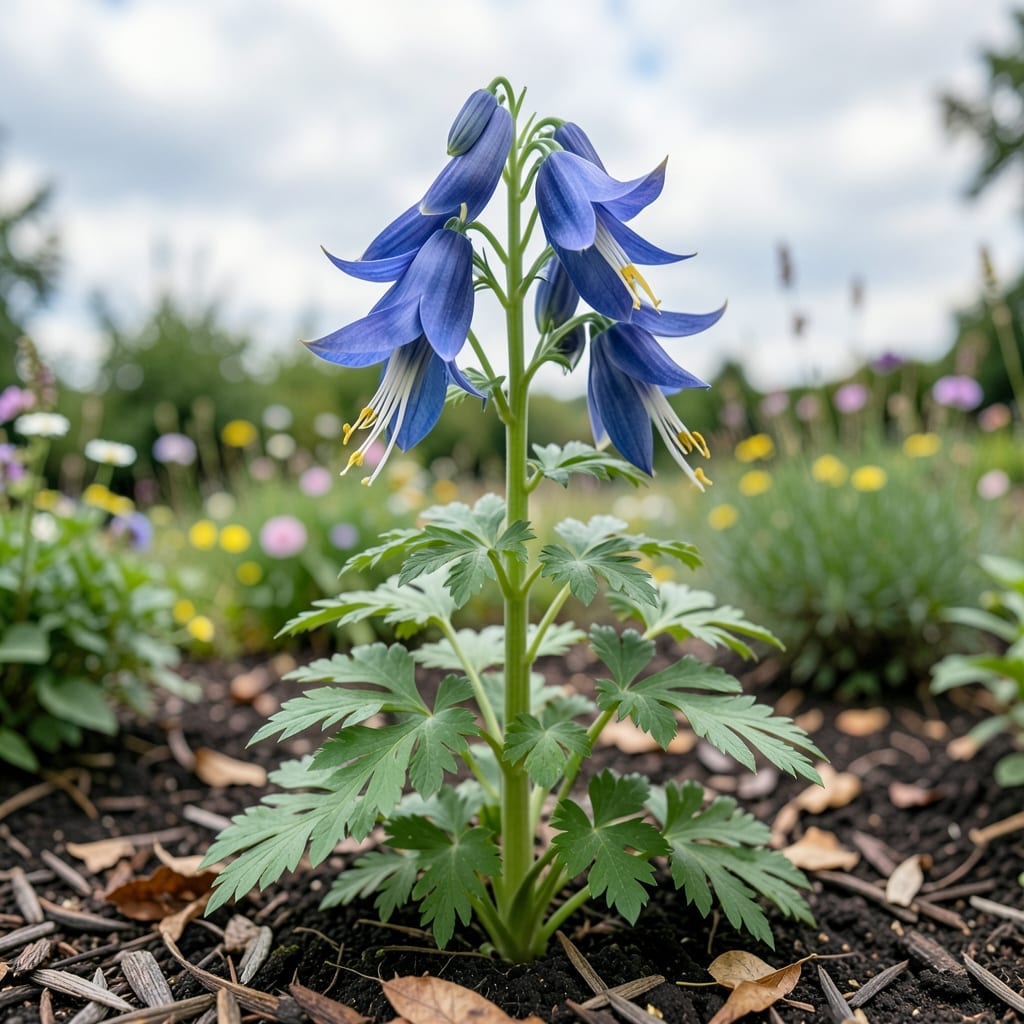
If you're asking "how tall do aquilegia grow", you're about to discover one of their most charming secrets: these delicate 🌸 columbine flowers can range from dainty 8-inch ground huggers to towering 3-foot giants, depending on the variety and growing conditions.
What makes columbine so versatile is their adaptability to different garden spaces. Whether you're planning a cottage garden border or a woodland edge planting, there's an aquilegia height that will fit perfectly. Some species stay compact, while others reach impressive heights with proper care.
In this guide, I'll break down the height variations between popular varieties like Aquilegia canadensis and Aquilegia vulgaris, and share expert tips on how sunlight, soil, and pruning techniques can influence their growth patterns. You'll learn exactly which conditions help them thrive at their full potential.
Ready to transform your garden with these stunning perennials? Let's explore how to choose the perfect columbine height for your space and maximize their beauty year after year.


Aquilegia height by variety: from dwarf to giant species
Aquilegia, or columbine, is one of the most versatile perennials in terms of height. While many gardeners assume they're all medium-sized plants, some varieties stay as short as 8 inches, while others reach 3 feet or taller. Understanding these differences helps you choose the perfect columbine for your garden's layout and style.
Height variations depend on the species and cultivar. For example, Aquilegia canadensis, a native North American species, typically stays between 12 and 24 inches tall. Meanwhile, McKana's Giant hybrids can soar to 36 inches or more, making them ideal for backdrop plantings or tall borders.
The key to selecting the right height lies in knowing your garden's vertical space constraints. If you have a small garden or container setup, dwarf varieties are perfect. For larger spaces or woodland gardens, taller types add drama and vertical interest.
Here’s how to match Aquilegia height to your garden’s needs, along with the most popular varieties in each category:
| Variety | Mature Height | Best For | Notes |
|---|---|---|---|
| Aquilegia canadensis | 12–24" | Borders, wildflower gardens | Native species; drought-tolerant |
| 'Nancy's Black Velvet' | 8–12" | Rock gardens, containers | Dwarf; dark foliage; deer-resistant |
| 'Black Barlow' | 10–15" | Woodland gardens, shade | Velvety black blooms; thrives in shade |
| 'Goldfinger' | 24–30" | Backdrop plantings, cottage gardens | Golden-yellow flowers; long blooming |
| 'McKana's Giant' | 30–36" | Tall borders, woodland edges | Hybrid; bold, large blooms |
| 'Violet Queen' | 18–24" | Cut flowers, borders | Classic violet blooms; self-seeds |
When choosing Aquilegia varieties, consider not just height but also bloom color and foliage type. For instance, 'Black Barlow' offers striking dark foliage, while 'Goldfinger' adds a pop of golden-yellow to mixed borders. Always check the USDA hardiness zone for your region, as some taller varieties may struggle in colder climates.
Another factor influencing height is growing conditions. Columbines grown in partial shade often stay slightly shorter than those in full sun, though they may produce fewer blooms. Well-draining, moist but not soggy soil also encourages healthier growth and prevents leggy stems.
If you're unsure about height, start with a mix of varieties to test what thrives in your space. For example, plant 'Nancy's Black Velvet' in containers and 'McKana's Giant' along a fence line. This way, you can enjoy the range of heights while keeping your garden dynamic and visually appealing.
Remember, Aquilegia height can vary slightly based on age and care. Younger plants may not reach their full mature height until their second or third year, so be patient and provide consistent watering and pruning to encourage optimal growth.
For gardeners with limited space, dwarf varieties like 'Black Barlow' are game-changers. They add color and texture without overwhelming smaller gardens or containers. Meanwhile, taller types like 'Goldfinger' create stunning vertical interest in cottage-style gardens or near patios.
🌸
How to control Aquilegia height through pruning and planting
Once you've selected your Aquilegia varieties, controlling their height becomes essential for maintaining a neat, healthy garden. Whether you want to keep them compact or encourage taller growth, proper pruning techniques and planting strategies make all the difference. Unlike many perennials, columbines respond well to gentle guidance, allowing you to shape them to fit your garden's design.
One of the most common mistakes gardeners make is over-pruning or pruning at the wrong time. Columbines have a natural self-seeding habit, and aggressive cuts can reduce next year's blooms. Instead, focus on selective pruning to maintain height while encouraging bushier, fuller growth. Let's explore the best practices for keeping your columbines at your desired height.
⚠️ Callout-Warning ⚠️
⚠️ Pruning Pitfalls to Avoid
❌ Never prune columbines in late summer or fall—this removes next year's flower buds and can kill the plant.
❌ Avoid heavy shearing—columbines have delicate stems that break easily. Use sharp scissors for clean cuts only.
❌ Don't over-fertilize with nitrogen—this promotes leafy growth over flowers, reducing bloom height and quality.
✂️ Pro Tip: Always sterilize your pruners with rubbing alcohol to prevent spreading disease between cuts.
For taller varieties like 'McKana's Giant' or 'Goldfinger', staking is often necessary to prevent flopping stems. Use soft plant ties or bamboo stakes inserted gently into the soil beside the plant. Avoid metal stakes, which can damage the stems. Prune these varieties after blooming to maintain height while removing spent flowers, which encourages a second flush of blooms in some climates.
If you're growing dwarf varieties like 'Nancy's Black Velvet', minimal pruning is needed. Focus on removing dead or damaged foliage in early spring to promote new growth. For these compact types, deadheading spent blooms prevents self-seeding and keeps the plant tidy. Pinch back leggy stems by one-third to encourage bushier growth without sacrificing height.
Another key factor in controlling height is planting depth. When transplanting, ensure the crown sits just above soil level. Burying it too deeply can cause rot and stunted growth, while planting too shallowly may expose roots to drying out. Amend your soil with organic compost to improve drainage and provide essential nutrients, which supports healthier, more compact growth.
For gardeners in windy or exposed areas, consider planting columbines near a protective barrier like a fence or wall. This natural windbreak prevents stems from leaning or breaking, allowing them to grow upright. Mulch around the base with 2-3 inches of organic mulch to retain moisture and suppress weeds, which can compete with your columbines for nutrients and space.
Finally, remember that Aquilegia height is influenced by light exposure. While they thrive in partial shade, providing 4-6 hours of morning sun encourages slightly taller growth with more robust stems. Avoid hot afternoon sun, which can stress the plants and lead to leggy, weak stems that flop over.
🪴