
Size
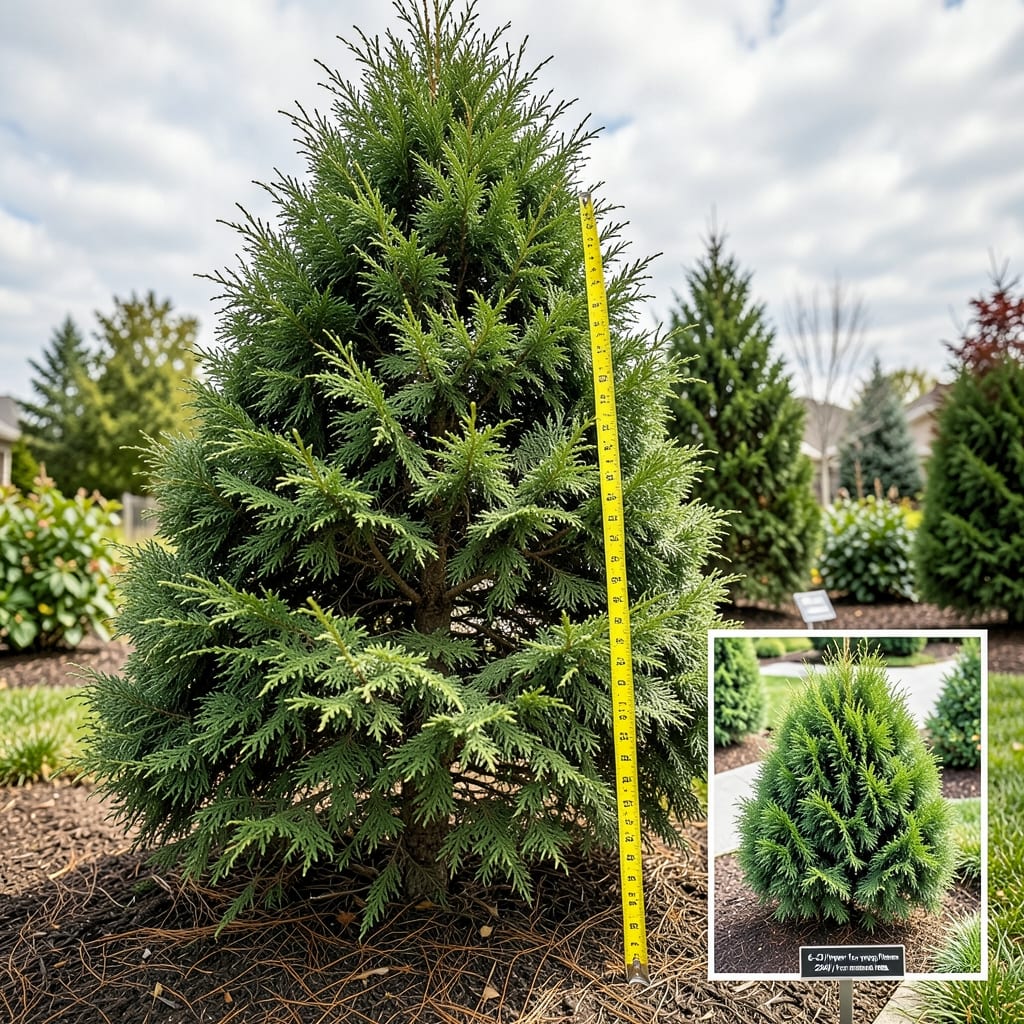
If you're wondering how tall arborvitae grow each year, the answer might surprise you—because some varieties shoot up like rockets while others take their sweet time. Whether you're planning a privacy hedge or a statement focal point, knowing these growth rates helps you visualize your 🌲 arborvitae's future height decades ahead.
The truth is, arborvitae growth varies wildly by type. Fast growers like the Green Giant can add 3 feet or more annually, while slower varieties like Emerald Green might only gain 6-12 inches per year. This difference means your landscaping timeline could stretch from 5 years to 20 years to reach maturity—so choosing the right variety matters.
But it's not just about the variety. Soil quality, sunlight exposure, and proper watering can all supercharge—or stall—that annual growth. I'll break down the factors that make the biggest difference, plus how to give your arborvitae the best shot at hitting its full potential height.
Ready to turn your yard into a lush, evergreen masterpiece? Let's dive into the numbers, the secrets, and how to keep your arborvitae thriving year after year—no guesswork required.


Arborvitae annual growth rates by variety: fastest vs slowest growers
When planning your landscape, knowing how tall arborvitae grow each year helps you set realistic timelines. Some varieties grow like weeds, while others take decades to reach maturity. The Green Giant, for example, can add 3 feet annually—that's a 40-foot tree in just 13 years! Meanwhile, the Emerald Green grows a modest 6-12 inches per year, taking 20+ years to reach its 12-foot mature height.
Your choice of variety directly impacts your landscaping timeline. Fast growers like Green Giant or American Plumosa are perfect for quick privacy screens, while slower growers like Ellwoodii or Hollander suit smaller spaces where patience pays off. Let's break down the numbers so you can pick the perfect fit for your yard.
Here’s how 10 popular arborvitae varieties compare in annual growth, mature height, and ideal spacing:
| Variety | Annual Growth (inches) | Mature Height (feet) | Ideal Spacing (feet) | Notes |
|---|---|---|---|---|
| Green Giant | 36-48 | 40-50 | 10-15 | Fastest grower; needs space |
| American Plumosa | 12-24 | 15-20 | 6-8 | Feathery foliage; great for hedges |
| Emerald Green | 6-12 | 12-15 | 4-6 | Slow but dense; perfect for tight spaces |
| Hollander | 8-12 | 12-15 | 4-6 | Dwarf variety; slow but compact |
| Ellwoodii | 6-10 | 10-12 | 3-5 | Gold-tipped foliage; slow but elegant |
| Leap Year | 12-18 | 15-20 | 6-8 | Medium growth; great for hedges |
| American Arborvitae | 12-24 | 30-40 | 10-15 | Native variety; fast and hardy |
| Gold Cone | 6-10 |
How to maximize arborvitae growth: pruning, soil, and sunlight secretsWant your arborvitae to hit its annual growth potential? The secret lies in three key factors: pruning techniques, soil preparation, and sunlight exposure. I’ve seen Green Giant varieties grow 20-30% faster when these elements are optimized—here’s exactly how to replicate those results in your own yard. First, let’s talk pruning. Many gardeners make the mistake of cutting back too much or at the wrong time. Arborvitae grow best when pruned just once per year, in late winter or early spring, before new growth begins. Avoid heavy pruning in fall—this can leave your tree vulnerable to winter damage and stunt growth for the next season. For soil health, focus on two things: drainage and nutrient density. Arborvitae thrive in well-draining, slightly acidic soil (pH 6.0-7.0). If your soil is heavy clay, amend it with compost or sand to improve aeration. A slow-release fertilizer (like 10-10-10) applied in early spring can give your tree the nutrient boost it needs to grow taller each year. Now, let’s address sunlight. Most arborvitae varieties need 4-6 hours of direct sun daily, but some, like Emerald Green, tolerate partial shade. If your tree isn’t getting enough light, its growth will slow dramatically. Watch for sparse foliage or stunted branches—these are red flags that it’s time to move your arborvitae to a sunnier spot. 1. Prune for GrowthTrim only dead or overgrown branches in late winter. Avoid shearing—it stresses the tree and reduces height gain. 2. Feed the SoilMix compost into planting holes and apply balanced fertilizer in early spring. Organic mulch retains moisture and nutrients. 3. Optimize SunlightPlace trees where they get morning sun and afternoon shade. Fast growers like Green Giant need full sun for maximum height. 4. Water DeeplyNewly planted arborvitae need 1-2 inches of water weekly. Established trees tolerate drought but grow slower without consistent moisture. 5. Monitor for PestsCheck for bagworms or spider mites—these pests sap energy from your tree. Treat early with neem oil to keep growth on track. One of my favorite tricks to boost annual growth is mulching. Spread a 3-inch layer of mulch around the base of your arborvitae (but keep it 6 inches away from the trunk to prevent rot). This helps retain moisture, regulate soil temperature, and reduce weeds that compete for nutrients. Over time, I’ve seen trees mulched this way grow 10-15% taller than unmulched counterparts. Finally, don’t forget that seasonal care makes a huge difference. In spring, focus on fertilizing and pruning. During summer, prioritize deep watering (especially in dry spells). And in fall, clean up any fallen needles to prevent disease buildup over winter. By following this schedule, you’ll give your arborvitae the best chance to reach its full potential height every year. |