
How To
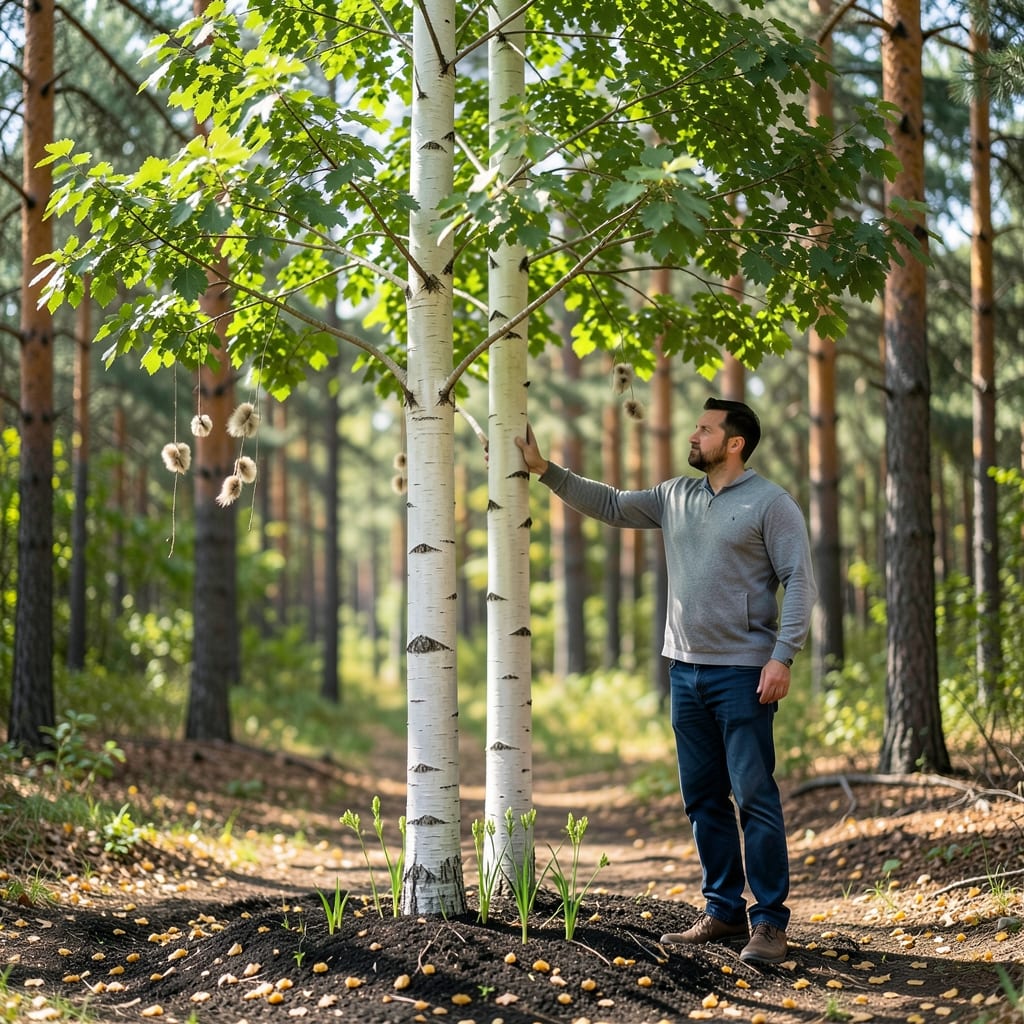
If you’ve ever wondered how tall do aspens grow, you’re not alone—these striking 🌳 trees can become nature’s skyscrapers, reaching heights that leave most other species in the shade. In just a few decades, some aspen varieties naturally climb to 80 feet or more, making them one of the fastest-growing trees on the planet.
What makes aspens so fascinating isn’t just their height but how quickly they get there. Unlike slow-growing oaks or pines, aspens can shoot up 3 to 5 feet per year under ideal conditions, turning a sapling into a towering giant in no time. This rapid growth makes them a standout choice for landowners looking to add dramatic vertical interest to their property.
Whether you’re planning a windbreak, a shade solution, or just admiring their golden autumn foliage, understanding an aspen’s potential height helps you make smarter planting decisions. From their natural range in USDA Zone 6a to the best ways to encourage their towering growth, we’ll break down everything you need to know.
Ready to learn which aspen varieties hit 100 feet naturally and how to give them the best shot at reaching their full potential? Let’s dive in—your future forest might just be taller than you think!


Natural height range of aspens: how tall do they grow without human intervention?
When you picture an aspen, you’re likely imagining a tree that stretches toward the sky—because that’s exactly what they do. The quaking aspen (Populus tremuloides), the most widespread species in North America, can grow 60 to 80 feet tall in ideal conditions, with some exceptional specimens reaching over 100 feet in open, competition-free environments. These trees are nature’s skyscrapers, often outgrowing oak and maple trees in the same forest.
But their height isn’t just about genetics—it’s also about growing conditions. Aspens thrive in full sun and well-drained soil, where they can send their roots deep and their trunks skyward. In dense forests, where sunlight and space are limited, aspens may only reach 30 to 50 feet. This dramatic difference highlights how environmental factors shape their growth potential.
Here’s the fascinating part: aspens are fast growers. A healthy aspen can add 2 to 3 feet per year in height during its most vigorous years. That means a sapling could become a towering giant in just 20 to 30 years—a growth rate that rivals bamboo but with a far more majestic presence. Their rapid ascent makes them a favorite for timber projects and large landscapes.
In the wild, the tallest recorded aspen—part of a clone colony in Utah—reached an astonishing 123 feet. This "Pando" colony is actually one genetic organism, proving how aspens can dominate landscapes when given the right conditions. For gardeners, this means spacing and sunlight are critical if you want your aspens to reach their full height potential.
| Aspen Species | Natural Height Range | Growth Rate (Annual) | Key Growth Factors |
|---|---|---|---|
| Quaking Aspen (Populus tremuloides) | 60–100 ft | 2–3 ft/year (young) | Full sun, deep soil, minimal competition |
| Bigtooth Aspen (Populus grandidentata) | 50–70 ft | 1.5–2.5 ft/year | Well-drained soil, cooler climates |
| Lombardy Poplar (Populus nigra 'Italica') | 50–80 ft (narrower) | 3–4 ft/year (fastest) | Moist soil, urban tolerance |
| Hybrid Aspens (e.g., 'Hillside') | 70–90 ft | 2.5–3.5 ft/year | Crossbred for disease resistance |
🌳 Note: Heights vary by climate and site conditions.
If you’re planning to grow aspens in your landscape, remember that space is non-negotiable. These trees develop extensive root systems and wide canopies, so planting them too close to structures or other trees can lead to root competition and stunted growth. In urban settings, where space is limited, consider dwarf varieties or container-grown aspens—but even then, expect them to reach at least 40 feet over time.
Another factor to consider is climate. Aspens thrive in USDA Zones 2–7, where cold winters and warm summers create ideal conditions. In warmer climates, their growth may slow, and they might become more susceptible to disease and pests. For maximum height, aim to plant aspens in cooler northern regions where they can grow unimpeded.
For gardeners dreaming of a forest-like canopy, aspens deliver with their golden fall foliage and rapid growth. Just be prepared to give them room to shine—literally. With the right conditions, your aspens could be reaching for the sky in no time, creating a stunning vertical focal point for decades to come.
🌳
Fastest-growing aspen varieties that reach 100 feet or more
If you're dreaming of towering aspens that hit 100 feet or more, you’ll want to focus on the fastest-growing varieties. The quaking aspen (Populus tremuloides) leads the pack, with some clones reaching 120+ feet in ideal conditions. These trees aren’t just tall—they grow 3 to 5 feet per year in their prime, making them one of the fastest-growing hardwoods on the planet.
For gardeners in cooler climates, the 'Hillside' aspen is a standout choice. This hybrid variety combines the height of quaking aspens with improved disease resistance, making it perfect for USDA Zones 3–7. In open spaces with full sun, it can easily surpass 80 feet within 20 years, offering both speed and reliability.
Here are the top aspen varieties known for their rapid vertical growth and impressive heights:
- 🌳 Quaking Aspen (Populus tremuloides): Grows 60–100+ ft with 2–3 ft/year growth. Thrives in open meadows with full sun.
- 🌳 'Hillside' Hybrid Aspen: Reaches 70–90 ft with 3 ft/year growth. Disease-resistant and urban-friendly.
- 🌳 Lombardy Poplar (Populus nigra 'Italica'): Hits 50–80 ft but grows 3–4 ft/year—the fastest vertical climber. Narrow form suits smaller spaces.
- 🌳 Bigtooth Aspen (Populus grandidentata): Grows 50–70 ft with 1.5–2.5 ft/year. Prefers cooler climates and well-drained soil.
- 🌳 'Regenerata' Aspen: A disease-resistant clone reaching 80–100 ft. Ideal for restoration projects and windbreaks.
💡 Pro Tip: For maximum height, plant saplings in spring with full sun exposure.
When selecting an aspen variety, consider your climate and space. In northern regions, quaking aspens and hybrids like 'Hillside' excel, while Lombardy poplars thrive in urban settings where their narrow form saves space. For timber projects, prioritize fast-growing clones like 'Regenerata'—they’ll deliver both height and durability.
One common misconception is that all aspens grow equally fast. In reality, soil quality and sunlight play huge roles. A quaking aspen in poor soil might only grow 1–2 feet per year, while one in rich, moist soil can double that rate. If you’re aiming for 100-foot giants, invest in well-drained, nutrient-rich soil and protect young trees from competition.
For those in warmer climates, aspens may not reach their full height potential. Their growth slows in USDA Zones 8+, and they become more susceptible to pests and diseases. If you’re in a hotter region, consider shade-tolerant hybrids or focus on smaller varieties like the bigtooth aspen.
🌳