
Trees
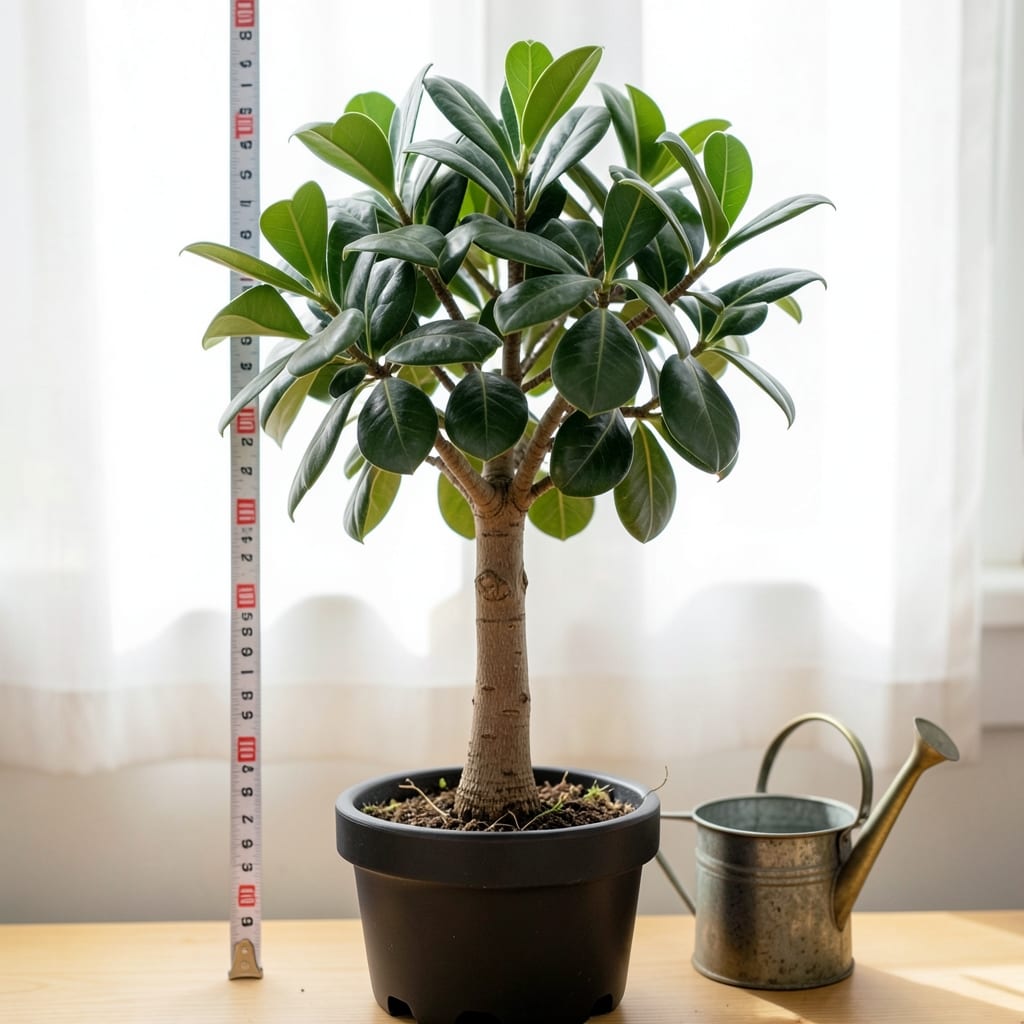
If you’ve ever wondered how tall do avocado trees grow indoors, the answer might surprise you—especially if you’re working with limited space. While these tropical trees can reach 15–20 feet outdoors, indoor varieties stay much more manageable with the right care. The key is choosing dwarf or semi-dwarf types and using smart growth techniques to keep your 🥑 plant compact.
Many people assume indoor avocado trees will sprawl uncontrollably, but with proper pruning and container selection, you can maintain a height that fits your home. Whether you’re a beginner or an experienced plant parent, learning how to control growth means enjoying a lush, leafy tree without sacrificing ceiling space. Let’s break down what you need to know to keep your avocado tree at the perfect height for your living room.
One of the biggest misconceptions is that all avocado trees grow tall indoors. In reality, some varieties—like the Wurtz or Bacon—stay under 6–12 feet with minimal effort. The secret lies in understanding light exposure, root restriction, and pruning schedules. By mastering these techniques, you can enjoy a thriving indoor tree that stays within your space constraints while still looking stunning.
Ready to transform your home with a healthy, space-friendly avocado tree? I’ll walk you through everything from selecting the right variety to pruning tips that keep your plant at an ideal height. Let’s get started!


Indoor avocado tree height: realistic growth expectations by variety
If you're wondering how tall avocado trees grow indoors, the answer depends entirely on the variety you choose and how you manage its growth. Unlike their outdoor counterparts, which can tower 60–80 feet tall, indoor avocado trees stay much more compact—typically reaching 10–20 feet over several years. However, with proper pruning and container selection, you can keep them even smaller, making them perfect for apartments or small homes.
The key to controlling height starts with selecting the right avocado variety. Some types naturally stay shorter indoors, while others grow taller unless actively managed. For example, Mexican varieties like 'Wurtz' tend to be more manageable, while Guatemalan varieties like 'Fuerte' can grow taller if left unchecked. Understanding these differences helps you set realistic expectations for your indoor garden.
Here’s the breakdown of what to expect from popular indoor avocado varieties, including their mature heights and growth habits:
| Variety | Mature Height Indoors | Growth Rate (Year 1–3) | Notes |
|---|---|---|---|
| Mexican (e.g., 'Wurtz') | 6–12 ft | 3–6 ft/year (slow to moderate) | Best for small spaces; requires pruning |
| West Indian (e.g., 'Lamb Hass') | 8–15 ft | 4–8 ft/year (moderate to fast) | Faster growth; needs regular pruning |
| Guatemalan (e.g., 'Fuerte') | 12–20 ft | 5–10 ft/year (fast) | Tallest indoors; prune aggressively |
| Dwarf Varieties (e.g., 'Bacon') | 4–8 ft | 2–4 ft/year (slow) | Ideal for tiny spaces; minimal pruning |
As you can see, dwarf varieties like 'Bacon' are the best choice if you're working with limited ceiling height. Even these smaller types can reach 8 feet indoors, so plan accordingly. If your ceiling is 8 feet or lower, prioritize pruning and root restriction to keep your tree manageable.
Another critical factor is the container size. Avocado trees grown in smaller pots (e.g., 12–18 inches in diameter) will grow slower and stay shorter than those in large containers. However, root-bound trees may become stressed, so repot every 2–3 years to accommodate growth while keeping the tree compact.
Light exposure also plays a role in height control. Avocado trees need bright indirect light for at least 6 hours daily. Insufficient light leads to leggy growth, where the tree stretches unnaturally tall in search of sunlight. Place your tree near an east- or west-facing window to avoid this issue and maintain a bushier, more manageable shape.
Finally, remember that indoor avocado trees rarely bear fruit—they’re primarily grown for their foliage and ornamental value. If fruit production is your goal, you’ll need to move the tree outdoors during the growing season or invest in a pollination-friendly setup, which is complex indoors. Focus instead on keeping your tree healthy and compact for years of greenery.
With the right variety and care, your indoor avocado tree can thrive without dominating your space. Start with a dwarf variety, prune regularly, and provide plenty of light to enjoy a tree that fits your home—and your lifestyle!
5 Space-saving techniques to control avocado tree height indoors
Now that you know what to expect from different avocado varieties, let’s dive into practical techniques to keep your indoor tree at a manageable height. Even the most compact varieties can grow tall if left unchecked, so these methods will help you maintain a bushy, controlled shape that fits your space. The key is combining pruning, container management, and light optimization for the best results.
One of the most effective ways to control height is through regular pruning. Unlike outdoor trees, indoor avocado trees respond well to pruning because they’re not competing for sunlight with other plants. By trimming back 1/3 of the new growth every 3–4 months, you encourage a fuller, more compact shape while preventing leggy growth. Use clean, sharp pruners to make cuts just above a leaf node to promote bushier regrowth.
Here are my top 5 space-saving techniques to keep your indoor avocado tree at the perfect height:
-
1. Prune Strategically
Trim 1/3 of new growth every 3–4 months. Focus on removing long, leggy stems to encourage bushier growth. Always cut just above a leaf node to stimulate branching.
-
2. Use Root Restriction
Keep your tree in a smaller pot (12–18 inches in diameter) to slow root growth. Repot only when roots circle the bottom, and choose a container just 1–2 inches larger each time.
-
3. Optimize Light Exposure
Place your tree near an east- or west-facing window for bright indirect light. Avoid south-facing windows, which can cause leggy growth from too much direct sun. Rotate the pot weekly for even growth.
-
4. Limit Fertilizer in Early Growth
Over-fertilizing encourages rapid vertical growth. Use a balanced 10-10-10 fertilizer every 6–8 weeks during spring and summer, but reduce in fall and winter to slow height increase.
-
5. Train with Support Structures
Use a small trellis or stake to guide growth if your tree starts leaning. Gently tie branches to encourage horizontal growth, which keeps the tree shorter and wider over time.
Another often-overlooked technique is light management. Avocado trees grown under grow lights (like LED full-spectrum bulbs) can be trained to grow more compactly because you control the light source. Place the light 12–18 inches above the tree and provide 12–14 hours of light daily to mimic natural conditions without encouraging rapid height spikes. This is especially useful in low-light apartments where natural light is limited.
If you’re dealing with a tree that’s already too tall, don’t panic—drastic pruning can reset its growth pattern. In early spring, cut back up to half the height of the tree to encourage new, bushier growth from the base. This might seem harsh, but it’s a great way to reset the tree’s shape and keep it within your space constraints. Just be patient; it may take 2–3 months for the tree to recover and fill out again.
Remember, the goal isn’t to stunt your tree’s growth completely—it’s to guide it into a shape that works for your home. With these techniques, you can enjoy a healthy, lush avocado tree that stays within your ceiling height while still thriving. Start with pruning and container size, then adjust light and fertilizer as needed to keep your tree at the perfect height for years to come.