
Size
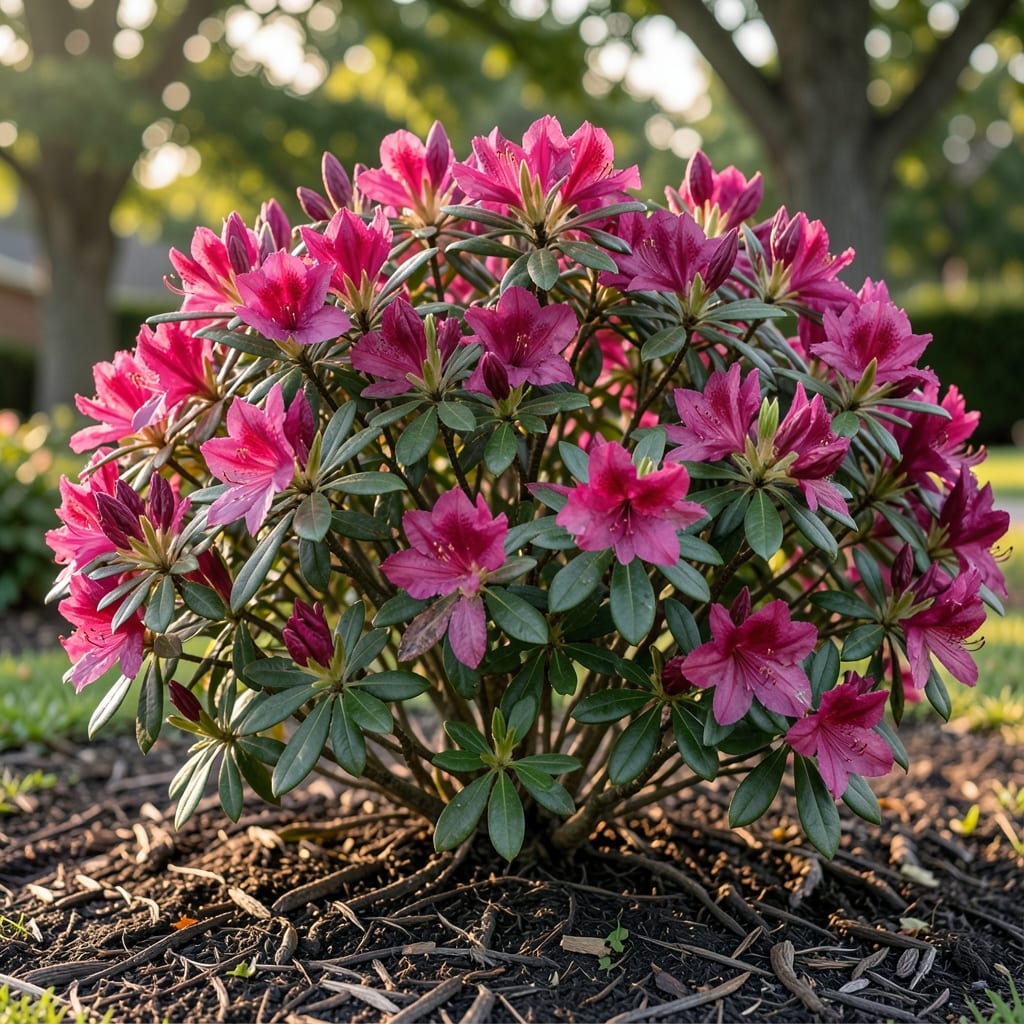
Wondering how tall do azalea plants grow before planning your garden layout? These stunning 🌸 shrubs can range from compact 1-foot dwarfs to towering 12-foot giants, depending on the variety and care you provide.
If you're working with limited space, smaller azaleas thrive in containers or tight garden beds, while larger varieties make dramatic hedges or woodland accents. The key to controlling their height lies in pruning techniques, sunlight exposure, and soil conditions—all of which I’ll break down for you.
Whether you’re dreaming of a vibrant spring border or a lush privacy screen, understanding azalea growth patterns will help you choose the perfect size for your vision. Let’s explore how to nurture these beauties to fit your space—without sacrificing their stunning blooms.
From dwarf varieties perfect for patios to tall specimens ideal for woodland gardens, I’ll share expert tips to keep your azaleas at your desired height. Ready to transform your outdoor space with these versatile shrubs?


Azalea height ranges: dwarf vs. standard vs. giant varieties explained
Azaleas aren't one-size-fits-all shrubs—their mature heights can range from compact 1-foot wonders to towering 12-foot giants. Understanding these categories helps you select the perfect variety for your garden design, whether you're creating a container display or a woodland border. The height differences stem from species classification, with evergreen and deciduous azaleas each offering distinct growth patterns.
Most azaleas fall into four height categories: dwarf (1-3 ft), semi-dwarf (3-6 ft), standard (6-12 ft), and giant varieties that can exceed 12 feet. Your choice depends on available space, sunlight exposure, and desired maintenance level. For example, dwarf varieties thrive in patio containers, while standard azaleas make stunning hedges or privacy screens.
Let's explore these categories with real-world examples and care requirements to help you visualize how each will fit into your landscape. The table below breaks down the key differences, including ideal growing conditions and pruning needs to maintain your desired height.
| Variety Type | Mature Height | Growth Rate | Sunlight Needs | Pruning Needs | Best For |
|---|---|---|---|---|---|
| Dwarf Azaleas | 1-3 ft | Slow to moderate | Partial shade (4-6 hrs) | Light pruning after blooms | Containers, rock gardens |
| Semi-Dwarf Azaleas | 3-6 ft | Moderate | Partial shade (4-6 hrs) | Minimal pruning for shape | Foundation plantings |
| Standard Azaleas | 6-12 ft | Moderate to fast | Partial shade (4-6 hrs) | Regular pruning to control height | Hedges, woodland gardens |
| Giant Azaleas | 10-12+ ft | Fast | Partial shade (4-6 hrs) | Heavy pruning required | Specimen plants, large landscapes |
For instance, the 'Dwarf Fondant' azalea stays under 2 feet tall, making it perfect for window boxes or balcony planters, while the 'Southern Indica' variety can reach 10 feet, ideal for creating a natural privacy screen in larger yards. The key to maintaining these heights lies in proper pruning techniques and soil conditions. Acidic, well-draining soil (pH 4.5-5.5) is non-negotiable for all azalea varieties.
Evergreen azaleas, like the popular 'Girard's Pink', typically grow taller than deciduous varieties, reaching 6-10 feet at maturity. These evergreens provide year-round interest with their glossy foliage, while deciduous azaleas offer brighter, more vibrant blooms but may lose leaves in winter. Your climate zone also plays a role—southern gardens can support taller varieties, while northern regions may need dwarf or semi-dwarf types that tolerate cooler temperatures better.
When selecting azaleas, consider their spread as well as height. Many varieties grow twice as wide as they are tall, so a 6-foot-tall azalea might occupy a 12-foot diameter space. This wide growth habit makes them excellent for mass planting or creating natural borders. For container gardening, choose dwarf varieties and use 18-inch pots to accommodate their root systems comfortably.
One common mistake gardeners make is assuming all azaleas have the same care requirements. Giant varieties need more frequent pruning to maintain their shape, while dwarf azaleas require minimal maintenance but benefit from occasional tip pruning to encourage bushier growth. Always prune right after flowering to avoid cutting off next year's blooms, which develop on old wood.
For those with limited space, consider columnar azalea varieties like 'Little Jim', which grows only 3 feet tall but maintains a compact, upright form. These varieties are perfect for narrow garden beds or vertical gardening against fences. Remember, azaleas grown in containers will naturally stay smaller than those planted in the ground, so choose your pot size accordingly.
If you're planning a themed garden, azalea height can help create visual layers. Place taller varieties at the back of borders and dwarf types in the front for a stair-step effect. This technique adds depth and draws the eye through your landscape design. For example, pair a 6-foot standard azalea behind a 2-foot dwarf variety** to create a dynamic, multi-level display.
🌸
How seasonal care affects azalea growth height over time
Did you know that azalea height isn't just determined by genetics? Seasonal care plays a critical role in controlling how tall your plants grow. Proper pruning timing, fertilizing schedules, and seasonal adjustments can keep your azaleas compact or encourage them to reach their full potential. For example, spring pruning promotes bushier growth, while summer feeding can lead to leggy, overgrown shrubs if overdone.
Let's start with pruning—the most effective way to manage azalea height. The best time to prune is immediately after flowering (late spring), when new growth begins. This prevents accidental removal of next year's blooms, which form on old wood. For taller varieties, prune 1/3 of the oldest stems to encourage younger, more vigorous growth. For dwarf azaleas, a light trim after blooming maintains their compact shape.
Fertilizing also impacts height dramatically. Over-fertilizing in summer can cause rapid, weak growth that stretches toward sunlight, making plants leggy. Instead, use a balanced acid-loving fertilizer (10-10-10) in early spring and again after flowering. Avoid feeding in fall and winter, as azaleas enter dormancy and don't need additional nutrients. Too much fertilizer can also burn roots in acidic soil, stunting overall growth.
- Spring: Prune after blooms to shape and fertilize lightly to encourage new growth.
- Summer: Reduce watering slightly and avoid heavy feeding to prevent leggy growth.
- Fall: Stop fertilizing entirely; focus on mulching to protect roots during dormancy.
- Winter: Prune only damaged branches; avoid heavy pruning that exposes old wood.
Watering habits also influence height. Deep, infrequent watering encourages stronger root systems that support compact growth, while shallow, frequent watering can lead to weak stems and taller, less stable plants. In containers, azaleas may grow 20-30% shorter than in-ground plants due to root restriction, but they still need consistent moisture to thrive. During hot summers, increase watering frequency but avoid wetting foliage to prevent fungal diseases that can stress plants.
Another height-controlling factor is sunlight exposure. While azaleas prefer partial shade (4-6 hours of morning sun), too much direct sun can cause stunted growth and leaf scorch. In southern climates, afternoon shade is essential to prevent heat stress. Conversely, northern gardens may support taller varieties that need more light to bloom. Always monitor your azaleas' response to sunlight and adjust their placement if growth seems uneven.
For taller azaleas, consider staking young plants during their first growing season to prevent flopping. Use flexible stakes tied loosely with soft twine to avoid damaging stems. In woodland gardens, taller varieties benefit from mulching with pine needles, which maintains soil acidity and conserves moisture. For container-grown azaleas, choose pots 18-24 inches wide to accommodate root growth without restricting height.
Common mistakes that lead to overgrowth include delayed pruning, over-fertilizing, and planting in full sun. If your azalea suddenly shoots up taller than expected, it may be responding to stress from improper care. Always prune after flowering, never before, to preserve next year's blooms. With consistent seasonal care, you can guide your azaleas to reach your desired height—whether that's a compact 2-foot patio plant or a grand 10-foot specimen.
🌿