
Flowers
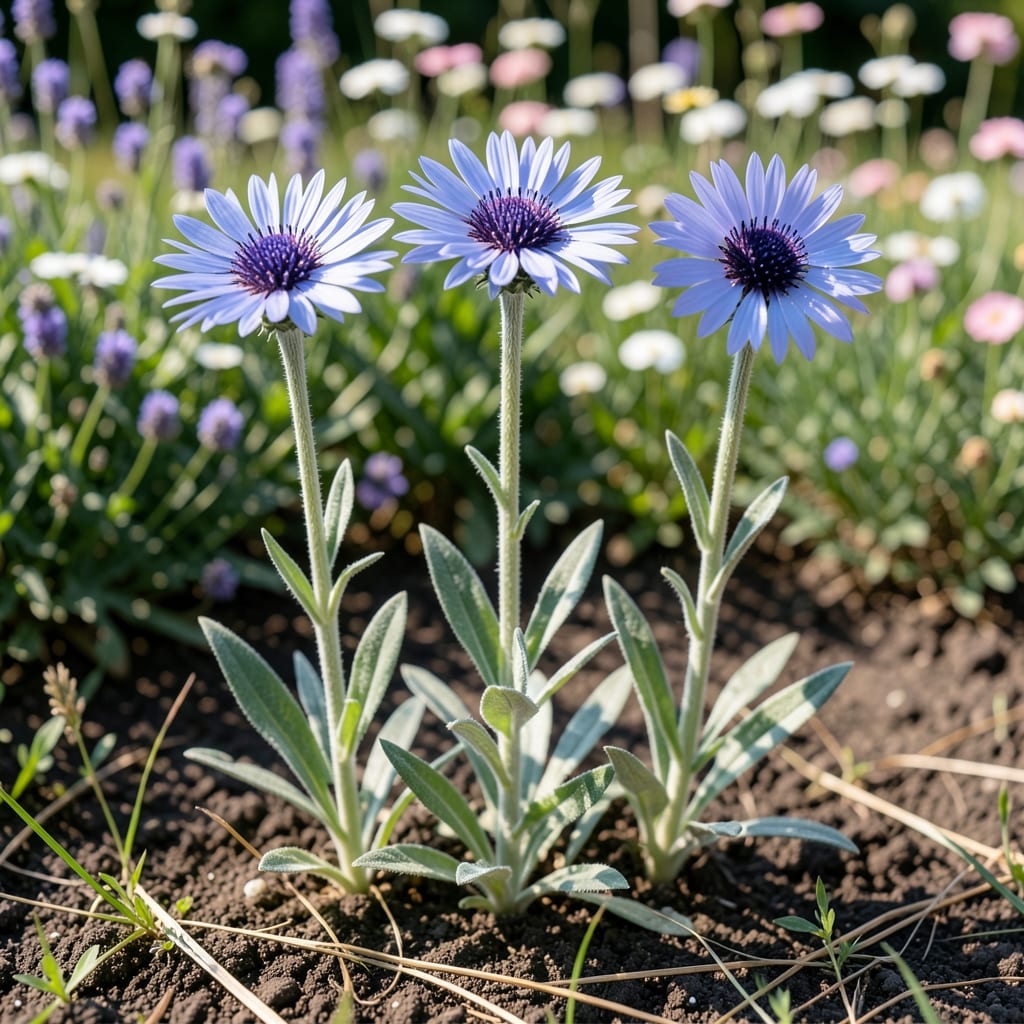
If you’ve ever wondered how tall do bachelor button flowers grow, the answer might surprise you—these cheerful 🌸 blooms can range from dainty 1-foot charmers to towering 2-foot stunners, depending on the variety and care you provide.
For gardeners in USDA Zone 6a, timing matters: planting in April–May sets the stage for peak growth between June and September. But here’s the catch—some varieties stay compact, perfect for borders, while others shoot up for cut flower arrangements.
Want to control their height? I’ll show you exactly how pruning, spacing, and sunlight tricks can shape your bachelor buttons—whether you’re dreaming of a neat, low hedge or a dramatic floral display.
Let’s break down the exact heights by variety and the secrets to getting the perfect size for your garden—no guesswork, just results.


Bachelor button flower height by variety: exact growth ranges for popular types
Bachelor button flowers (Centaurea moschata) are beloved for their cheerful blooms and versatility in garden designs. But their mature height can vary dramatically—from compact 12-inch varieties perfect for containers to towering 36-inch giants ideal for cut flower arrangements. Knowing these exact ranges helps you plan borders, containers, or bouquets with confidence.
The most popular varieties fall into three height categories: dwarf (12-18 inches), standard (18-24 inches), and tall (24-36 inches). Even within these groups, spacing needs and growth habits differ. For example, the 'Blue Ball' variety stays compact, while 'Snowdrift' reaches nearly 3 feet when given ideal conditions.
Here’s a quick reference for the most widely grown varieties—including their mature heights, spread, and best uses in your garden:
If you’re designing a cut-flower garden, prioritize taller varieties like 'Snowdrift' or 'White Ball', which produce stems 24+ inches long. For container gardening, dwarf types like 'Blue Ball' or 'Cherry Ball' thrive in 5-gallon pots with minimal spacing.
Pro tip: Check seed packets for "height at full maturity"—this is often 10–20% taller than what nurseries list for potted plants. Overcrowding can also stunt growth, so follow spacing guidelines (usually 12–18 inches apart for standard varieties).
For garden borders, mix heights: place taller varieties at the back and shorter ones in front. This creates a layered look that blooms continuously from June to frost. Pair bachelor buttons with salvia or coreopsis for complementary colors and textures.
One common misconception is that all bachelor buttons are annuals—while most are, some varieties like 'Snowdrift' can self-seed aggressively, returning in mild climates (Zones 7–10). In colder regions, treat them as annuals for guaranteed blooms each season.
For cut flowers, harvest stems when 20–30% of blooms open. This extends vase life by 5–7 days compared to waiting for full bloom. Deadhead spent flowers to encourage continuous reblooming throughout the season.
🌸
How to control bachelor button height: pruning, support, and spacing tips
Want to shape your bachelor button flowers into perfect heights? The secret lies in pruning timing, support systems, and spacing strategies. Unlike many flowers, these plants respond well to gentle guidance—whether you're aiming for compact clusters or tall stems for cutting. The key is acting at the right growth stages to avoid stunting or overgrowth.
Start with proper spacing—this is the foundation of height control. Plant dwarf varieties like 'Blue Ball' 12 inches apart in containers, while taller types like 'Snowdrift' need 18–24 inches between plants. Crowding forces competition for nutrients, resulting in shorter, leggy stems that flop over by midsummer.
Here’s how to adjust height based on your goals—whether you want neat borders or cutting garden stalwarts:
For Compact Growth (Ideal for Borders & Containers)
- ✂️ Pinch back young plants at 6 inches tall to encourage bushier growth
- 🌱 Deadhead regularly—removing spent blooms prevents legginess
- 💧 Water lightly but consistently; drought stress can stunt growth
For Tall Stems (Ideal for Cut Flowers)
- 🪴 Use tomato cages or bamboo stakes when plants reach 12 inches
- 🌿 Avoid heavy pruning—let stems develop fully for cutting
- ☀️ Maximize sunlight (6+ hours daily) to promote vertical growth
Avoid These Height-Killers
- 🚫 Over-fertilizing with nitrogen leads to leafy growth, not flowers
- 🚫 Planting too deep—seedlings should sit just below soil level
- 🚫 Ignoring pests like aphids, which sap energy and stunt growth
For cutting garden varieties, harvest stems when 20–30% of blooms open—this encourages continuous reblooming and prevents stems from becoming woody. Cut just above a leaf node to promote new growth. If you notice stems leaning excessively, tie them to stakes with soft garden twine to avoid breaking delicate stems.
One pro tip for container gardening: use 5-gallon pots for dwarf varieties and add a slow-release fertilizer at planting. This creates a nutrient-rich root zone that supports compact, bushy growth without the need for frequent pruning. In ground beds, mulch around plants to retain moisture and prevent weeds, which compete for resources and reduce flowering height.
Remember, bachelor buttons are annuals in most climates, so focus on season-long care. By late summer, you’ll see natural height decline as plants shift energy to seed production. For extended blooming, deadhead weekly and provide balanced fertilizer every 4–6 weeks until frost.
🌿