
Trees
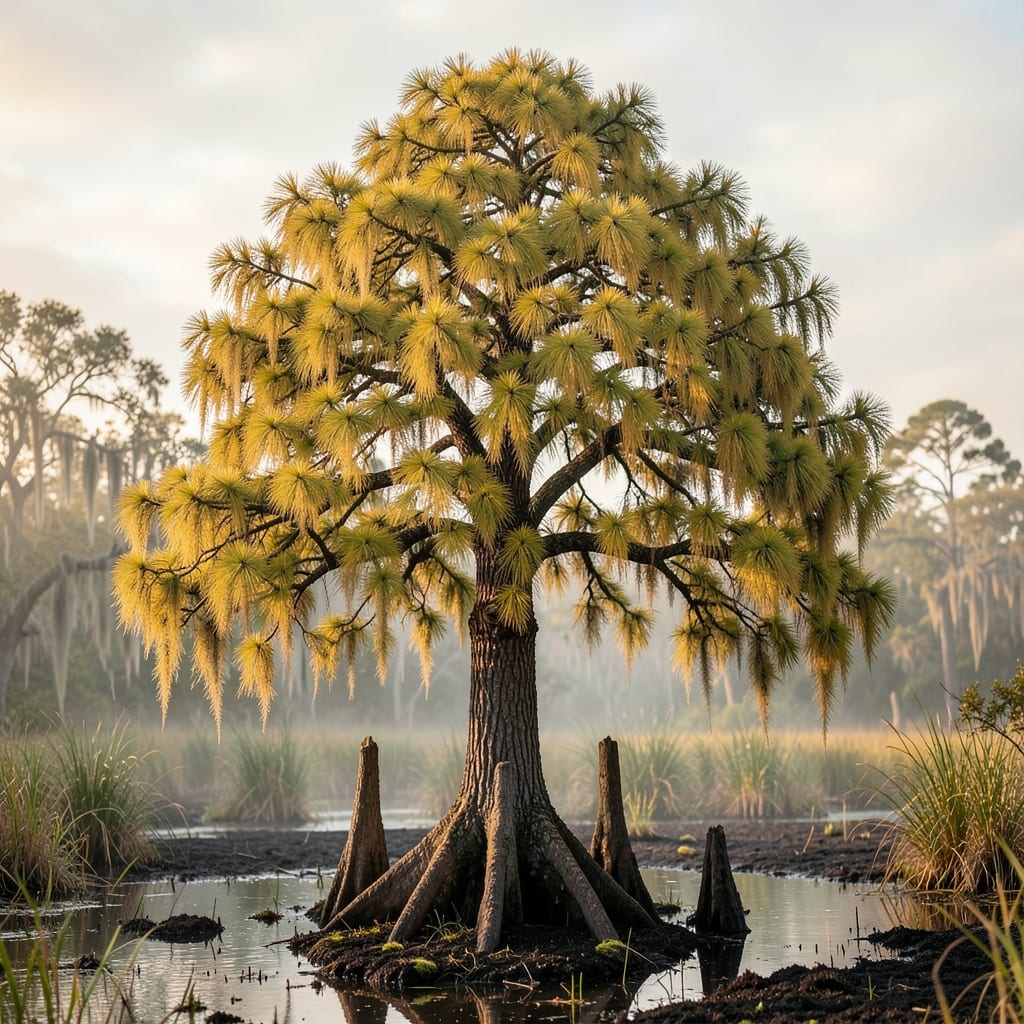
If you’re wondering how tall do bald cypress trees grow, you’re about to discover a tree that can become a true centerpiece in your landscape—reaching heights that rival skyscrapers in just a few decades. This iconic 🌲 isn’t just striking with its feathery foliage; it’s also one of the fastest-growing trees in its class, making it a favorite for gardeners who want dramatic results without the wait.
The bald cypress typically matures between 30 and 70 feet, with some specimens soaring even higher under ideal conditions. What’s fascinating is how quickly they grow—some varieties can add 3 to 5 feet per year when given the right care. Whether you’re planning a backyard retreat or a large estate, understanding their growth potential helps you space them properly and avoid future headaches.
But here’s the catch: their height isn’t just about genetics. Soil moisture, sunlight exposure, and even your local climate play a huge role. In wetter regions like the Southeast, bald cypress trees thrive and reach their full potential faster, while drier areas might see slightly slower growth. We’ll break down how to give your tree the best shot at hitting those towering heights—without sacrificing health or beauty.
Ready to turn your yard into a vertical forest? Let’s explore the fastest-growing varieties, care tips to maximize height, and how to keep your bald cypress looking majestic for decades. You’ll learn why this tree isn’t just tall—it’s a game-changer for any landscape.


Natural height limits of bald cypress trees: how tall they can grow
The bald cypress (Taxodium distichum) is a true giant among trees, capable of reaching staggering heights under the right conditions. On average, mature specimens stand between 30 and 70 feet tall, with some legendary specimens exceeding 100 feet in ideal wetland environments. Their towering presence makes them a standout feature in landscapes, especially in regions with abundant moisture and space.
What sets bald cypress apart is their rapid vertical growth. In optimal conditions, these trees can grow 3 to 5 feet per year during their youth, making them one of the fastest-growing deciduous trees. This means a tree planted today could reach 30 feet in just 6-7 years, providing quick shade and visual impact for gardeners eager to see results.
However, their height isn't solely determined by genetics. Factors like soil moisture, sunlight exposure, and local climate play crucial roles. In the U.S. Southeast, where bald cypress is native, they thrive in swamps and wetlands, often reaching their maximum height. In drier regions, growth may be slightly slower but still impressive with proper care.
Here’s a quick look at how bald cypress height varies by region and growing conditions:
| Growing Condition | Mature Height | Growth Rate (Annual) | Ideal Location |
|---|---|---|---|
| Wetlands/Swamps | 70–100+ ft | 4–6 ft/year (young trees) | Southeastern U.S. |
| Moist, Well-Drained Soil | 50–70 ft | 3–5 ft/year (young trees) | Mid-Atlantic, Pacific Northwest |
| Drier Conditions | 30–50 ft | 2–4 ft/year (young trees) | Western U.S., urban landscapes |
| Container-Grown (Limited) | 15–25 ft (max) | 1–2 ft/year | Patios, small yards |
The tallest recorded bald cypress, known as the "President Tree," stands at an astonishing 108 feet tall in North Carolina. This specimen thrives in a swampy environment, proving that bald cypress can dominate even the most challenging landscapes. For gardeners in urban areas, however, spacing becomes critical. Planting too close to structures or power lines can lead to costly pruning or removal later.
When planning your landscape, consider the mature canopy spread of 20–40 feet, which is nearly as wide as the tree is tall. This means you’ll need ample space—at least 30 feet in all directions—to allow the tree to grow without obstruction. In smaller yards, dwarf varieties or careful pruning can help manage height while still enjoying the tree’s unique beauty.
One common misconception is that bald cypress trees grow best in completely waterlogged soil. While they tolerate wet conditions, they actually prefer moist, well-drained soil. Poor drainage can lead to root rot, stunting growth and reducing the tree’s lifespan. If your soil is heavy clay, amending it with organic matter like compost can improve drainage and encourage healthier, taller growth.
For gardeners in USDA Zones 6–10, bald cypress is a reliable choice, as it handles both heat and cold well. In colder zones, young trees may need winter protection, but mature specimens are surprisingly hardy. Their ability to thrive in diverse climates—from swamps to urban streets—makes them a versatile addition to almost any landscape.
If you’re aiming for a quick vertical impact, focus on providing the ideal growing conditions: full sun, consistent moisture, and space to stretch upward. With the right care, your bald cypress could become the tallest, most dramatic tree in the neighborhood.
Fastest-growing bald cypress varieties for quick landscape impact
If you’re eager to see your bald cypress reach its maximum height in record time, choosing the right variety makes all the difference. Some cultivars grow 3 to 5 feet per year under ideal conditions, while others take their time. The key is matching your local climate and soil type to the fastest-growing types—like 'Peve Minaret' or 'Bower Swamp'—which are bred for rapid vertical growth.
For example, the 'Peve Minaret' variety is a standout for its narrow, columnar shape and aggressive growth rate. It’s perfect if you’re short on space but want a towering presence. Meanwhile, 'Bower Swamp' is a broader, more traditional cypress that still grows quickly, making it ideal for larger landscapes. These varieties aren’t just fast—they’re also disease-resistant and adaptable, which means less work for you.
Here’s the catch: even the fastest-growing bald cypress trees need the right care conditions to hit their potential. Full sun, moist but well-draining soil, and regular watering (especially in dry spells) are non-negotiable. Without these, even the most vigorous varieties will slow down. Think of it like giving your tree a growth turbocharger—the right variety is just the first step.
| Variety | Growth Rate (ft/year) | Mature Height (ft) | Best For |
|---|---|---|---|
| 'Peve Minaret' | 3-5 ft | 40-50 ft | Narrow spaces, urban gardens |
| 'Bower Swamp' | 2-4 ft | 50-70 ft | Large landscapes, wetlands |
| 'Pendula' | 2-3 ft | 30-40 ft | Weeping effect, ornamental gardens |
| 'Montgomery' | 1-2 ft | 30-40 ft | Slow-growing, compact option |
When planting, focus on soil preparation first. Bald cypress trees love acidic, peat-rich soil, but they’ll also thrive in sandy loam if amended with compost. Avoid heavy clay, which can suffocate roots and slow growth. If your soil is too alkaline, add sulfur or pine needles to lower the pH. This small step can mean the difference between a lagging tree and one that shoots up like a rocket.
Sunlight is another critical factor. While bald cypress trees tolerate partial shade, they’ll grow 20-30% faster in full sun. If you’re in a shadier climate, consider planting near the southern edge of your property to maximize sunlight exposure. Even a few extra hours of sun can translate to extra feet of growth over time.
Finally, don’t underestimate the power of seasonal care. In spring and summer, deep watering once a week encourages rapid growth, while fall fertilization with a balanced 10-10-10 mix gives your tree a nutrient boost for next year. With the right variety, soil, and care, your bald cypress could be towering over your neighbors’ fences in just a few years—no waiting decades required!