
How To
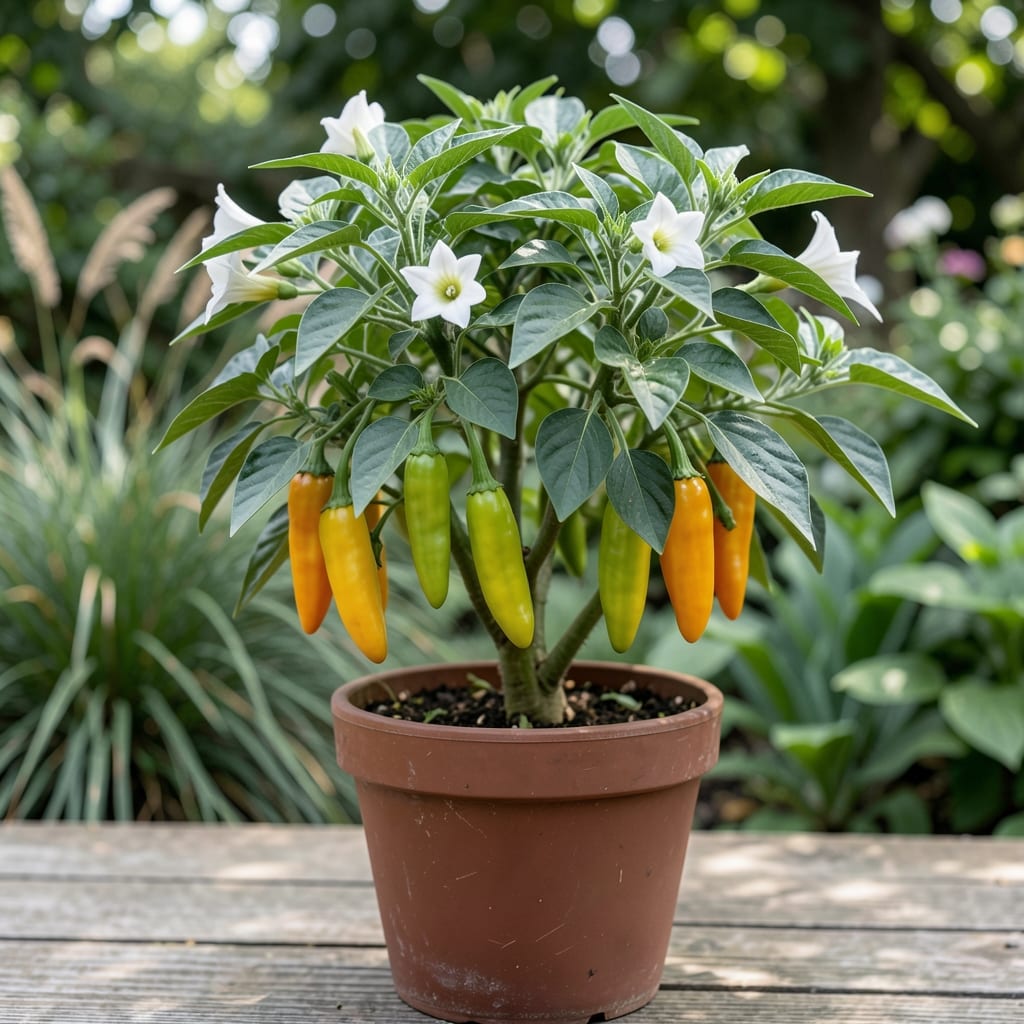
If you're wondering "how tall do banana peppers grow", you're not alone—this is the first question many gardeners ask before planting these mild, golden 🌶️ beauties. The answer might surprise you, since banana peppers can range from compact 18-inch dwarfs to towering 36-inch plants, depending on the variety and growing conditions.
Understanding their mature height helps you plan your garden layout, whether you're working with limited space or a sprawling backyard. Some varieties stay neatly contained in containers, while others spread out like small shrubs, making them perfect for borders or vertical gardens. The key to controlling their size lies in proper pruning and support—something I'll show you how to do effortlessly.
Beyond their height, banana peppers are a gardener's dream because of their versatility. They're not just for cooking—they add vibrant color to your landscape and can even be dried for year-round use. Whether you're a beginner or a seasoned grower, knowing how to manage their growth will give you the best harvest from July to October.
Let's break down the height ranges by variety, share expert tips for keeping your plants at your desired size, and explore the best ways to support them as they grow. You'll be harvesting crisp, flavorful peppers in no time!


Banana pepper height ranges by variety: dwarf vs. standard growth habits
Banana peppers aren’t one-size-fits-all when it comes to height. The mature height of these golden 🌶️ peppers can vary dramatically depending on the variety you choose. Some stay compact enough for container gardening, while others reach small shrub proportions—up to 36 inches—if left unchecked. Understanding these differences helps you pick the perfect variety for your space and growing style.
I’ve grown several varieties in my garden, and the dwarf types like 'Mini Banana' rarely exceed 18 inches, making them ideal for balconies or small pots. Meanwhile, standard varieties like 'Golden Banana' can stretch toward 3 feet or more, especially if they’re not pruned. The key difference often comes down to genetics and growing conditions, which we’ll explore further.
Here’s what you need to know about the most popular banana pepper varieties and their typical height ranges. This will help you visualize how much space to allocate in your garden or containers.
| Variety | Mature Height | Growth Habit | Best For |
|---|---|---|---|
| Mini Banana | 12–18 inches | Compact bush | Containers, small spaces |
| Golden Banana | 24–36 inches | Bushy, upright | Beds, borders, trellises |
| Banana Pepper 'Apache' | 30–40 inches | Semi-vining | Vertical gardens, trellises |
| Banana Pepper 'Mini Bell' | 18–24 inches | Compact, bushy | Containers, windowsills |
| Banana Pepper 'Sunny' | 24–30 inches | Upright, spreading | Beds, large pots |
The Mini Banana and 'Mini Bell' varieties are my top picks for gardeners with limited space. They thrive in 5-gallon containers and produce plenty of peppers without taking over your garden. If you have more room, the 'Golden Banana' or 'Apache' varieties offer a more substantial harvest but require regular pruning to keep them from becoming unruly.
One factor that often gets overlooked is the growth speed of banana peppers. While they’re not the fastest growers, they can shoot up 6–12 inches in their first season if given ideal conditions. This means that even dwarf varieties might need support or pruning by midsummer to maintain their compact shape.
Sunlight plays a huge role in determining how tall your banana peppers will grow. These plants crave full sun—at least 6–8 hours daily—to stay bushy and productive. When I planted a 'Golden Banana' in partial shade last year, it grew leggy and reached nearly 4 feet tall, with fewer peppers than my sun-exposed plants. If you’re in a shadier spot, consider dwarf varieties or use reflective surfaces to maximize light exposure.
Another way to influence height is through pruning techniques. Regularly pinching back the tips of new growth encourages the plant to branch out rather than grow tall. I’ll cover this in more detail in the next section, but for now, remember that pruning early—when plants are still young—yields the best results for controlling height.
Banana peppers also have a spreading habit, especially the taller varieties. They can grow 18–24 inches wide at maturity, so don’t be surprised if your 'Golden Banana' starts encroaching on neighboring plants. This makes them great for border planting or as a colorful backdrop for shorter vegetables like lettuce or radishes.
If you’re growing banana peppers for culinary or ornamental purposes, their height can actually work to your advantage. The vibrant yellow and orange peppers add a pop of color to your garden, while their mild, sweet flavor makes them a favorite in salads, pickling, and stuffing. Just be mindful of their mature size when planning your layout!
For those in USDA Zones 6–10, banana peppers are a reliable annual. In warmer climates, they may even produce peppers year-round with minimal care. No matter where you live, choosing the right variety based on height will set you up for a successful harvest from July to October.
Banana pepper height ranges by variety: dwarf vs. standard growth habits
Banana peppers are one of the most versatile garden plants, but their height can vary dramatically depending on the variety you choose. Some stay as short as 18 inches, perfect for containers, while others reach 36 inches or more, making them ideal for garden borders or vertical growing. Understanding these differences helps you pick the right type for your space and growing style.
Most dwarf varieties, like 'Mini Banana' or 'Golden Nugget,' stay between 18–24 inches tall, making them great for small gardens, balconies, or even hanging baskets. These compact plants also produce a steady supply of small, sweet peppers—ideal for snacking or pickling. On the other hand, standard varieties, such as 'Standard Banana' or 'Yellow Banana,' can grow 3–4 feet tall and often spread wider, requiring more space.
| Variety | Mature Height | Growth Habit | Best For |
|---|---|---|---|
| Mini Banana | 18–24 inches | Compact bush | Containers, small gardens |
| Golden Nugget | 20–24 inches | Bushy, upright | Balconies, hanging baskets |
| Standard Banana | 30–36 inches | Sprawling bush | Garden beds, borders |
| Yellow Banana | 24–36 inches | Vine-like | Trellises, vertical gardens |
If you're growing banana peppers in containers, opt for dwarf varieties—they thrive in 5-gallon pots with proper drainage. For larger gardens, standard varieties offer higher yields and a more dramatic look, especially when trained on trellises or cages. The key to managing their height lies in pruning and support, which I’ll cover in the next section to keep your plants at your desired size.
Another factor influencing height is sunlight exposure. Banana peppers need 6+ hours of full sun daily to reach their full potential. If you notice leggy growth or smaller peppers, it’s often a sign they need more light. Conversely, too much shade can stunt their growth entirely, so choose a sunny spot in your garden for the best results.
Beyond height, consider the growth speed of your chosen variety. Dwarf types mature faster, often producing peppers in as little as 60–75 days, while standard varieties may take 75–90 days. This timing can help you plan your harvest schedule, especially if you’re growing multiple varieties in the same season.
Finally, remember that banana peppers aren’t just about height—they’re also about yield and flavor. Taller varieties often produce more peppers, but compact ones can be just as productive in smaller spaces. Whether you’re growing for culinary use or ornamental appeal, picking the right variety ensures a successful and satisfying harvest.