
Size
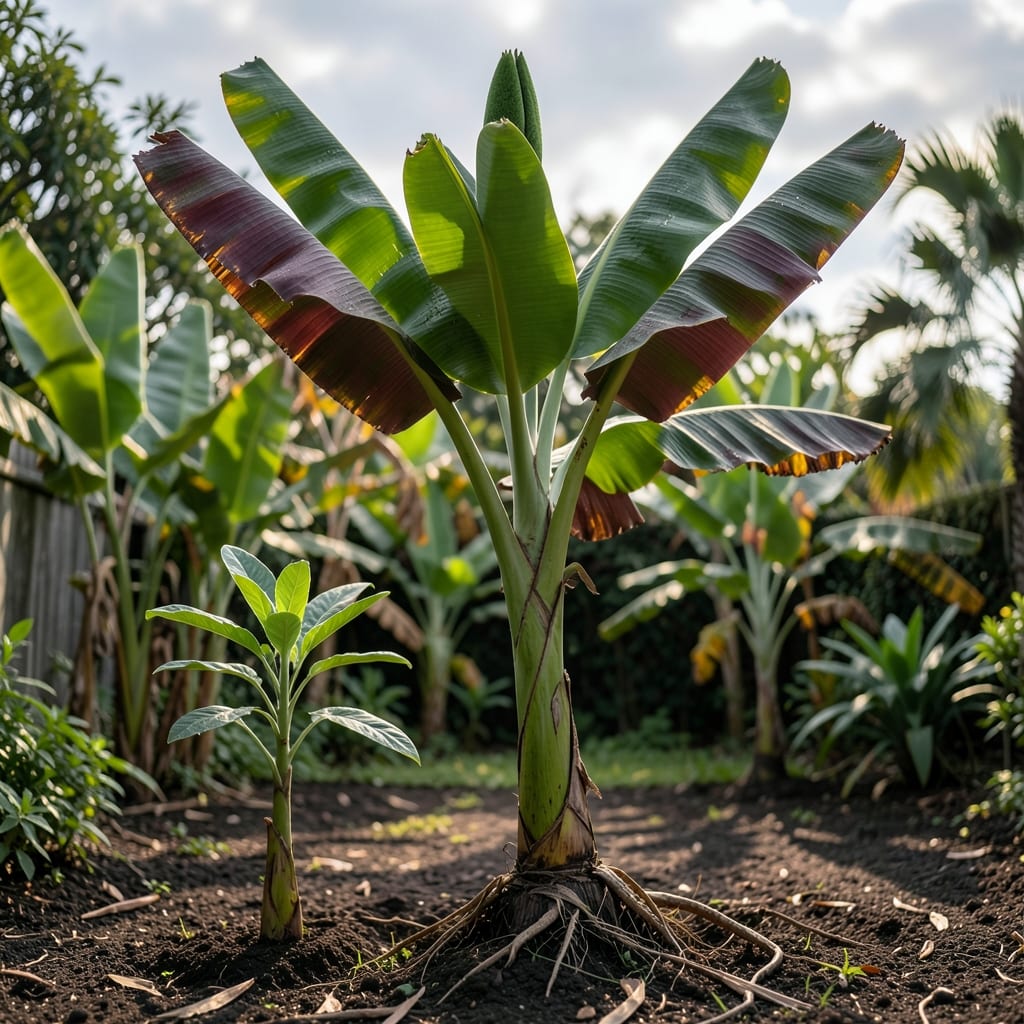
If you're dreaming of growing your own 🍌 banana plants but aren’t sure how tall banana plants grow, the answer might surprise you. Some varieties stay compact enough for containers, while others can stretch taller than a two-story building—yes, really! Understanding these differences is the key to planning your garden or balcony setup without any last-minute surprises.
Let’s start with the basics: banana plants aren’t trees, but their pseudo-stems can grow anywhere from 6 feet to a staggering 25 feet, depending on the variety. Whether you're dealing with a dwarf Cavendish or a towering Gros Michel, knowing the height range helps you decide where to plant—or if containers are your best bet. The right setup can make all the difference between a thriving tropical plant and one struggling for space.
But here’s the good news: with the right care and a little planning, even small spaces can accommodate banana plants. I’ll walk you through the most common varieties, their mature heights, and how to choose the perfect spot—whether you’re in a frost-free zone or growing indoors year-round. Ready to find out which bananas fit your space?
By the end of this guide, you’ll know exactly how to support your banana plant’s growth, from dwarf varieties that fit on patios to giants that need room to stretch their leaves toward the sky. Let’s get started!


Banana plant height by variety: from dwarf to giant species
Banana plants are famous for their dramatic height differences, making them perfect for both small balconies and sprawling tropical gardens. The mature height of a banana plant depends entirely on its variety, with some reaching 25 feet tall while others stay under 10 feet. Understanding these differences helps you choose the right plant for your space and climate.
Dwarf varieties like the Dwarf Cavendish are ideal for containers and small gardens, typically reaching 6-10 feet at maturity. These compact plants produce edible bananas and thrive in pots as long as they get enough sunlight and water. Meanwhile, standard varieties such as the Gros Michel or Musa acuminata can grow 15-25 feet tall, requiring ample ground space and sturdy support.
Here’s where things get interesting: banana plants aren’t trees, but their pseudo-stems (made of tightly packed leaves) grow rapidly in tropical climates. In subtropical zones, growth may slow slightly, but with proper care, even larger varieties can still reach impressive heights. The key is selecting a variety that matches your available space and microclimate.
🌱
| Variety | Mature Height | Growth Habit | Best For |
|---|---|---|---|
| Dwarf Cavendish | 6-10 ft | Compact, bushy | Containers, small gardens |
| Lady Finger (Red Dacca) | 10-15 ft | Medium height, fast-growing | Backyards, tropical zones |
| Gros Michel | 15-25 ft | Tall, robust | Large gardens, frost-free areas |
| Musa acuminata (Wild Banana) | 18-22 ft | Very tall, ornamental | Landscaping, tropical climates |
| Bluggoe (Ice Cream Banana) | 12-18 ft | Medium-tall, sweet fruit | Edible landscaping, containers (large) |
If you’re growing banana plants in containers, dwarf varieties like the Dwarf Cavendish are your best bet. They stay under 10 feet and can thrive in 15-gallon pots with proper drainage. For outdoor gardens, Lady Finger or Bluggoe varieties offer a balance between manageable height and high yields. Meanwhile, Gros Michel and Musa acuminata are better suited for large properties where they can spread their roots and reach their full height.
One common misconception is that all banana plants need acres of space. In reality, with the right variety and care, you can grow bananas in urban balconies or greenhouses. The trick is choosing a variety that matches your growing conditions. For example, Bluggoe bananas are sweet and creamy when cooked, making them a great choice for small-space growers who want both aesthetics and edibles.
Climate also plays a role in height. In tropical zones (USDA 10-12), banana plants grow faster and taller due to year-round warmth. In subtropical zones, growth may slow in winter, but with protection (like mulch or a cold frame), you can still achieve impressive heights. Even in cooler climates, dwarf varieties can thrive indoors near a south-facing window or under grow lights.
🌿
For those with limited space, consider pruning techniques to manage height. Regularly removing older leaves encourages new growth and can keep plants more compact. However, avoid over-pruning, as banana plants rely on their large leaves for energy production. If you’re growing a tall variety outdoors, provide sturdy bamboo stakes or trellises to support the pseudo-stem as it grows.
Another factor to consider is the growth rate. Banana plants can grow 2-3 feet per month under ideal conditions, so even dwarf varieties may reach their mature height in just a few months. If you’re starting from a banana sucker (a baby plant), expect it to grow 3-6 feet in its first year, with rapid growth accelerating in the second year.
🌳
Space requirements and growing conditions for banana plants
Now that you know the height range of banana plants, let’s talk about how to give them the space and conditions they need to thrive. Whether you’re growing a dwarf Cavendish in a container or a Gros Michel in your backyard, proper spacing and care are essential to prevent overcrowding and maximize fruit production. The right setup ensures your banana plant has room to grow its massive leaves and sturdy pseudo-stem without competing for nutrients or sunlight.
For outdoor banana plants, spacing is critical. Giant varieties need at least 10 feet of space between plants to allow their leaves to spread and grow unimpeded. If you’re planting multiple banana plants, consider arranging them in a way that mimics their natural growth pattern—think of them like sun-loving trees with wide canopies. In smaller gardens, opt for dwarf or semi-dwarf varieties, which can thrive with just 5-6 feet of clearance, making them perfect for patios or small yards.
Container growing is another great option, especially for those in colder climates or with limited outdoor space. If you’re growing a banana plant in a pot, choose a container that’s at least 15-20 gallons in size. This gives the roots enough room to expand while also providing stability for the plant’s height. Remember, banana plants are heavy—once they reach maturity, a 10-foot-tall plant can weigh hundreds of pounds! Use a container with sturdy sides and consider adding support stakes or a trellis to help stabilize taller varieties.
🌱 Key Space and Care Requirements for Banana Plants
- 📏 Spacing: 10+ ft for giant varieties, 5-6 ft for dwarfs in ground.
- 🪴 Container Size: 15-20 gallons for dwarf/semi-dwarf, 50+ gallons for giants.
- ☀️ Sunlight: 6+ hours daily of direct sun; no shade tolerance.
- 💧 Watering: Deep soaks 2-3x/week (containers dry faster).
- 🌡️ Temperature: 70-85°F ideal; no frost—ever!
- 🪴 Soil Depth: 2+ feet deep for roots; amend with compost for fertility.
- 🌬️ Wind Protection: Stake or shelter tall plants to prevent leaf damage.
Banana plants love full sun, so choose a location that receives at least 6-8 hours of direct sunlight daily. Without enough light, your plant will grow leggy and weak, producing fewer flowers—and thus, fewer bananas. If you’re growing indoors, place your banana plant near a south-facing window or under grow lights for 12+ hours a day. Just be prepared for rapid growth once it gets the light it craves!
When it comes to soil and nutrients, banana plants are heavy feeders. They thrive in well-draining, fertile soil with plenty of organic matter. Amend your garden soil with compost or aged manure before planting to give your banana plant a nutrient boost. For container-grown plants, use a balanced fertilizer (like 10-10-10) every 4-6 weeks during the growing season. Over-fertilizing can lead to excessive leaf growth at the expense of fruit production, so follow the recommended amounts closely.
Finally, don’t forget about wind protection. Banana plants have large, broad leaves that can be easily damaged by strong winds. If you’re growing in an exposed area, consider planting near a fence or wall for natural windbreak, or install support stakes to keep the plant upright. In colder climates, you’ll need to bring container-grown banana plants indoors before the first frost or provide heated protection to keep them alive year-round. With the right space and care, your banana plant will reward you with lush foliage and delicious fruit—no matter its size!