
How To
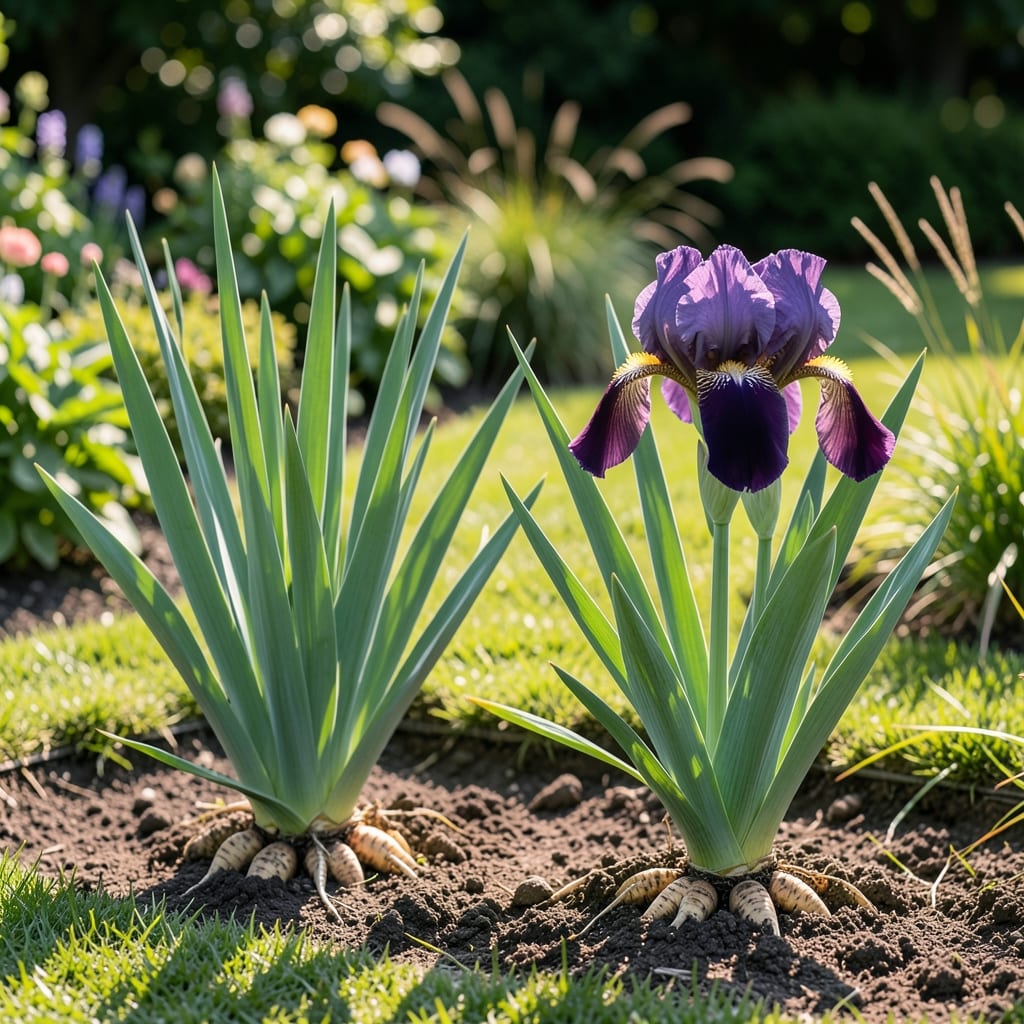
If you're dreaming of a stunning summer garden but wondering how tall your bearded irises (🌸) will grow, you're not alone. These classic perennials can range from just 1 foot to towering 4 feet, depending on the variety and care you provide.
The height of your bearded irises isn't just about aesthetics—it directly impacts your garden layout and maintenance routine. Dwarf varieties stay compact, making them perfect for borders, while taller types create dramatic focal points. Knowing these differences helps you plan spacing and companion plants like a pro.
Let me show you how to choose the right iris height for your space and how proper care can influence their growth. Whether you're working with 2-foot dwarfs or 4-foot giants, understanding these factors ensures your garden thrives.
From planting tips to pruning secrets, I'll walk you through everything you need to know to make the most of your bearded iris garden—no matter how tall they grow.


Bearded iris height ranges by variety: dwarf to giant chart
Bearded irises come in a stunning array of heights, from dwarf varieties that stay close to the ground to giant cultivars that reach nearly 4 feet tall. Choosing the right height for your garden isn’t just about aesthetics—it affects spacing, companion plants, and even pruning strategies. Let’s explore the height ranges of popular varieties so you can plan your iris beds with confidence.
Most gardeners categorize bearded irises into four height groups: dwarf, semi-dwarf, standard, and giant. Each group has distinct growth habits and design uses. For example, dwarf irises work beautifully in rock gardens or as border plants, while giants make a bold statement in backyard landscapes or cut-flower gardens. Understanding these differences helps you avoid overcrowding and ensures every plant gets the sunlight and space it needs to thrive.
Here’s a quick visual guide to help you compare the mature heights of popular bearded iris varieties. Use this chart to select plants that fit your garden’s scale and design goals.
If you’re designing a low-maintenance garden, dwarf and semi-dwarf varieties are excellent choices. Their compact size means they require less pruning and staking, making them ideal for beginner gardeners. On the other hand, standard and giant irises demand more space and structural support, but their dramatic blooms are worth the extra care.
One common mistake I see is planting tall irises too close together, which leads to overcrowding and reduced airflow. This can invite fungal diseases like iris borers or leaf spot. Always leave at least 24 inches between standard and giant varieties to ensure healthy growth and vibrant blooms. For dwarf irises, 12–18 inches of spacing is usually sufficient.
Height also influences pruning needs. Taller varieties often require staking to prevent flopping under the weight of their heavy blooms. I recommend using bamboo stakes or soft plant ties to support stems without damaging the foliage. For dwarf irises, minimal pruning is needed—their short stature keeps them naturally upright.
Pro tip: If you love the look of tall irises but have limited space, consider interplanting them with low-growing perennials like catmint or salvia. This creates a layered effect while keeping your garden visually balanced. Plus, the companion plants help deter pests and improve soil health.
Remember, these height ranges are general guidelines. Factors like climate, soil quality, and care practices can influence how tall your irises grow. For example, irises in cooler climates may stay slightly shorter, while those in warm, sunny regions can reach their maximum height more quickly. Always monitor your plants and adjust spacing as they mature.
Now that you know the height ranges, you’re ready to plan your iris garden with confidence. Whether you’re creating a whimsical cottage garden or a modern perennial border, choosing the right iris heights will elevate your design and make maintenance a breeze. Happy gardening!
How height affects planting spacing and pruning needs
Understanding how tall your bearded irises grow directly impacts how you space them in your garden. Taller varieties like 'Blue Boy' or 'King Agamemnon' need 36+ inches between plants, while dwarf irises like 'Little Chief' thrive with just 12–18 inches of space. Proper spacing ensures air circulation, reducing the risk of fungal diseases like iris borers or leaf spot.
I always recommend planting taller irises in groups of 3 or 5 to create a natural drift effect. This not only looks stunning but also prevents overcrowding as they mature. For example, a 4-foot giant planted alone can look awkward, but surrounded by companions like daylilies or coneflowers, it becomes a focal point.
Here’s how height influences your planting layout and pruning routine:
- 🌱 Dwarf (1–2 ft): Space 12–18 inches apart. Minimal pruning needed—just remove dead foliage after blooming.
- 🌿 Semi-Dwarf (2–3 ft): Space 18–24 inches apart. Light pruning to tidy up spent blooms and yellowing leaves.
- ✂️ Standard (3–4 ft): Space 24–36 inches apart. Prune 1/3 of foliage after blooming to encourage new growth.
- 🌳 Giant (3.5–4 ft): Space 36+ inches apart. Use stakes or cages to support heavy blooms and prune old leaves in early spring.
One of my biggest pruning tips is to never cut iris foliage until it yellows naturally—this ensures the rhizomes store enough energy for next year’s blooms. For tall varieties, I always tie stems to stakes before they fully open to prevent flopping in wind or rain. This simple step keeps your garden looking neat and professional.
If you’re working with limited space, consider interplanting taller irises with low-growing perennials like heuchera or ajuga. This creates visual layers while keeping your garden functional and easy to maintain. Just avoid planting anything that competes for nutrients, like aggressive mint or creeping charlie.
Remember, soil quality and sunlight exposure also play a role in how tall your irises grow. Amending your soil with compost and ensuring 6+ hours of sun daily will help your plants reach their full potential height. With the right spacing and pruning, your bearded irises will thrive and bloom beautifully for years to come.
Now that you know how height affects spacing and pruning, you’re ready to create a healthy, low-maintenance iris garden tailored to your space. Whether you’re working with compact dwarfs or towering giants, these tips will keep your plants happy and flourishing.