
Trees
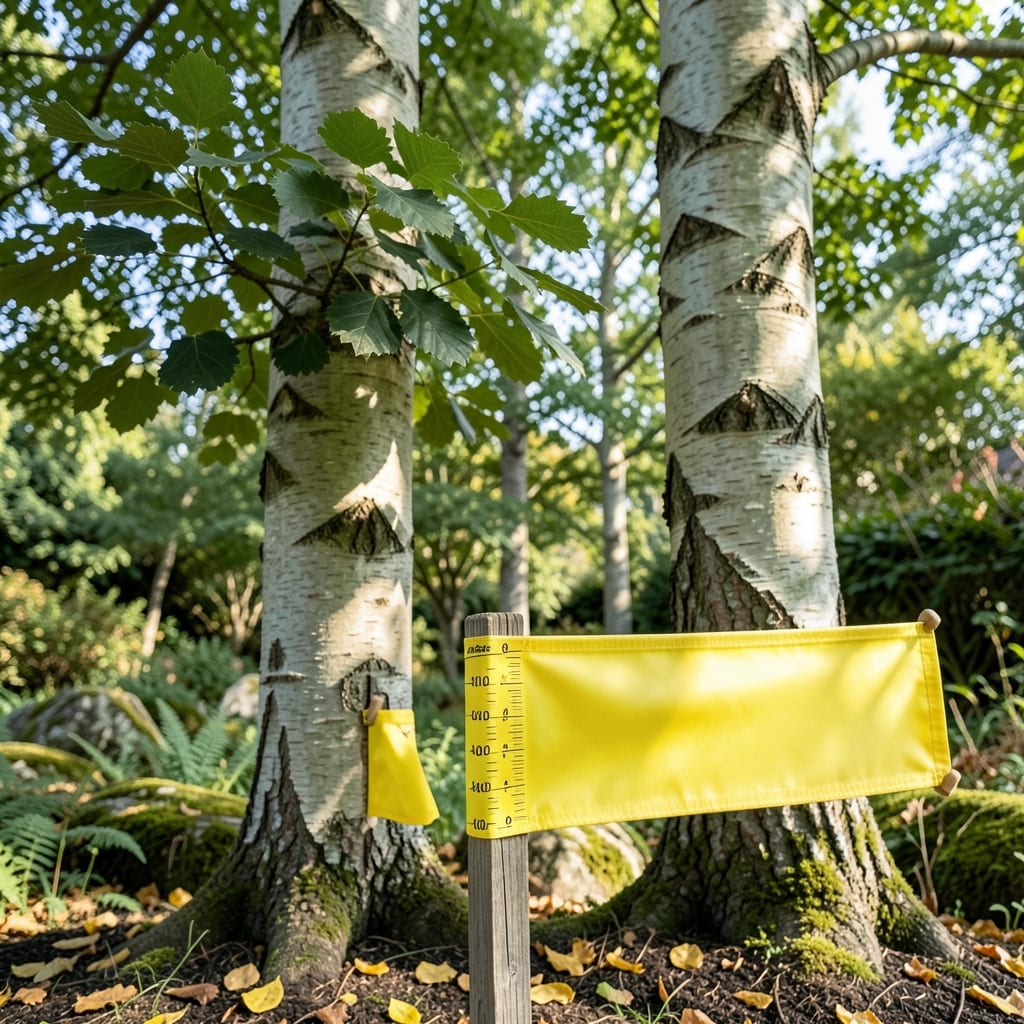
If you're dreaming of a stately 🌳 Beech Tree in your landscape but wondering how tall do beech trees grow, here's the good news: these majestic trees offer surprising flexibility. While some varieties can soar to 75 feet or more, others stay compact enough for even small yards. The key lies in choosing the right species and understanding how growth habits vary by climate and care.
Picture this: a European beech reaching 50-80 feet in ideal conditions, while a carefully pruned dwarf variety might only grow to 15 feet. That's the beauty of beech trees - they adapt to your space needs without sacrificing their iconic beauty. Whether you're in USDA Zone 6a or beyond, the right selection and maintenance can make all the difference in your yard's long-term design.
What if you love the look but need something more manageable? I'll show you fast-growing varieties that still deliver shade and privacy without taking over your property. Plus, discover pruning techniques that let you control height while maintaining that classic beech tree elegance. The best part? These methods work for both new plantings and established trees.
Let's explore how to match your space with the perfect beech tree variety, plus the simple strategies that keep them at your desired height. Your backyard could have that grand, woodland feel without the towering footprint - I'll show you exactly how.


How tall beech trees grow: mature height by species and variety
Beech trees are architectural marvels that can transform any landscape, but their mature height varies dramatically between species. The American beech (Fagus grandifolia) typically reaches 60-75 feet at maturity, while the European beech (Fagus sylvatica) often tops out between 50-80 feet. These towering giants can cast shade over entire yards, making them ideal for large properties—but don't worry if you have limited space!
For smaller gardens, consider dwarf varieties like 'Fastigiata' or 'Purpurea Pendula', which max out around 15-25 feet. Even semi-dwarf types (30-40 feet) offer a more manageable footprint while still delivering that classic beech tree elegance. The key is matching your yard's dimensions to the right variety before planting.
Here's where it gets interesting: growth rates also vary by species. American beeches grow about 1-2 feet per year in ideal conditions, while European beeches can reach 2-3 feet annually when young. This means a 10-year-old beech might already be 20-30 feet tall, so planning ahead is essential for smaller spaces.
Climate plays a surprising role too. In cooler northern climates (USDA Zones 4-6), beech trees grow more slowly, often reaching 50-60 feet over 50 years. Meanwhile, in warmer southern zones (7-9), they can hit 70+ feet faster due to longer growing seasons. Your local climate affects both height and growth rate significantly.
🌳 Pro Tip: Always check the mature height of your chosen variety before planting. A 15-foot dwarf beech planted too close to a house can still cause issues when it fills its canopy, while a 75-foot American beech needs at least 40 feet of clearance from structures and power lines.
| Variety | Mature Height | Growth Rate | Best For | Space Needs |
|---|---|---|---|---|
| American Beech (Fagus grandifolia) | 60-75 ft | 1-2 ft/year | Large estates, parks | 40+ ft clearance |
| European Beech (Fagus sylvatica) | 50-80 ft | 2-3 ft/year | Privacy screens, shade | 35-40 ft clearance |
| Copper Beech (Fagus sylvatica 'Purpurea') | 50-65 ft | 1.5-2.5 ft/year | Color accents, focal points | 30-35 ft clearance |
| Dwarf Beech (Fagus sylvatica 'Fastigiata') | 15-25 ft | 0.5-1 ft/year | Small yards, containers | 10-15 ft clearance |
| Weeping Beech (Fagus sylvatica 'Pendula') | 30-40 ft | 1-2 ft/year | Garden features, patios | 20-25 ft clearance |
When planning your beech tree's location, remember that canopy spread matters just as much as height. Most beech trees develop a spread equal to their mature height, meaning a 50-foot tree will have a 50-foot diameter canopy. This is why dwarf varieties are perfect for tight spaces—they maintain their compact form while still providing shade.
💡 Lifespan Consideration: Beech trees are long-lived, with many exceeding 200-300 years in ideal conditions. This means your height decisions today will impact your landscape for generations. If you're unsure about a variety's long-term fit, consider planting near property lines where future growth won't be an issue.
For urban gardeners, container-grown beeches offer another solution. While they'll never reach full height, properly maintained potted beeches can live for decades while staying under 15 feet. The trade-off? You'll need to prune annually and replace soil every few years to maintain health.
🌿 Final Thought: The right beech tree can be the centerpiece of your landscape without dominating it. Whether you choose a towering American beech for a woodland feel or a compact dwarf variety for your patio, understanding these height variations lets you make an informed choice that will serve your space beautifully for years to come.
Fastest-growing beech tree varieties for quick shade and privacy
If you need rapid shade or privacy without waiting decades, certain beech tree varieties deliver impressive growth rates. The European beech (Fagus sylvatica) leads the pack, often growing 2-3 feet per year when young. This makes it perfect for homeowners who want to establish a privacy screen or shade canopy in just 10-15 years rather than 30+.
For color impact, the Copper Beech (Fagus sylvatica 'Purpurea') grows at a similar pace while offering stunning purple foliage. Its growth rate of 1.5-2.5 feet annually means you'll see dramatic color changes year after year. Both varieties thrive in USDA Zones 4-8, making them versatile for most climates.
🌱 Growth Hack: To maximize growth, plant your beech tree in well-draining soil with 6+ hours of sunlight. Amend planting holes with compost and water deeply after planting. This simple step can boost early growth by 20-30% compared to average conditions.
- 🌳 European Beech (Fagus sylvatica) - 2-3 ft/year, ideal for fast privacy (reaches 50-80 ft in 20-30 years)
- 🍂 Copper Beech (Fagus sylvatica 'Purpurea') - 1.5-2.5 ft/year, purple foliage with bold color impact
- 🌿 Hybrid Beeches (Fagus × intermedia) - 2 ft/year, disease-resistant and faster-growing than pure species
- 🌲 Weeping Beech (Fagus sylvatica 'Pendula') - 1-2 ft/year, elegant weeping habit for garden focal points
- 🌿 'Dawyck' Beech (Fagus sylvatica 'Dawyck') - 1.5 ft/year, compact growth with twisting branches
Fastest-growing varieties reach privacy height (10-15 ft) in just 5-7 years with proper care.
For urban gardeners, the 'Dawyck' beech offers a unique solution with its twisting branches and 1.5 feet per year growth. While it won't reach towering heights, it creates stunning textural interest in small spaces. Plant it near patios or walkways where its compact form shines.
💡 Planting Pro Tip: When installing fast-growing beech varieties, space them 20-30 feet apart for privacy screens. This gives their canopies room to expand without crowding. For single specimen planting, maintain 15-20 feet of clearance from structures to prevent future issues.
Remember that even fast-growing beeches slow as they mature. A tree growing 3 feet per year at age 5 might only add 1 foot annually by age 20. This natural slowing means your 10-year projection should account for 20-30% less growth in later years.
🌿 Final Thought: The right fast-growing beech variety can transform your landscape in a fraction of the time compared to slower-growing trees. Whether you need quick shade, privacy screens, or color accents, these varieties deliver results while maintaining the classic beech tree beauty you love.