
Size
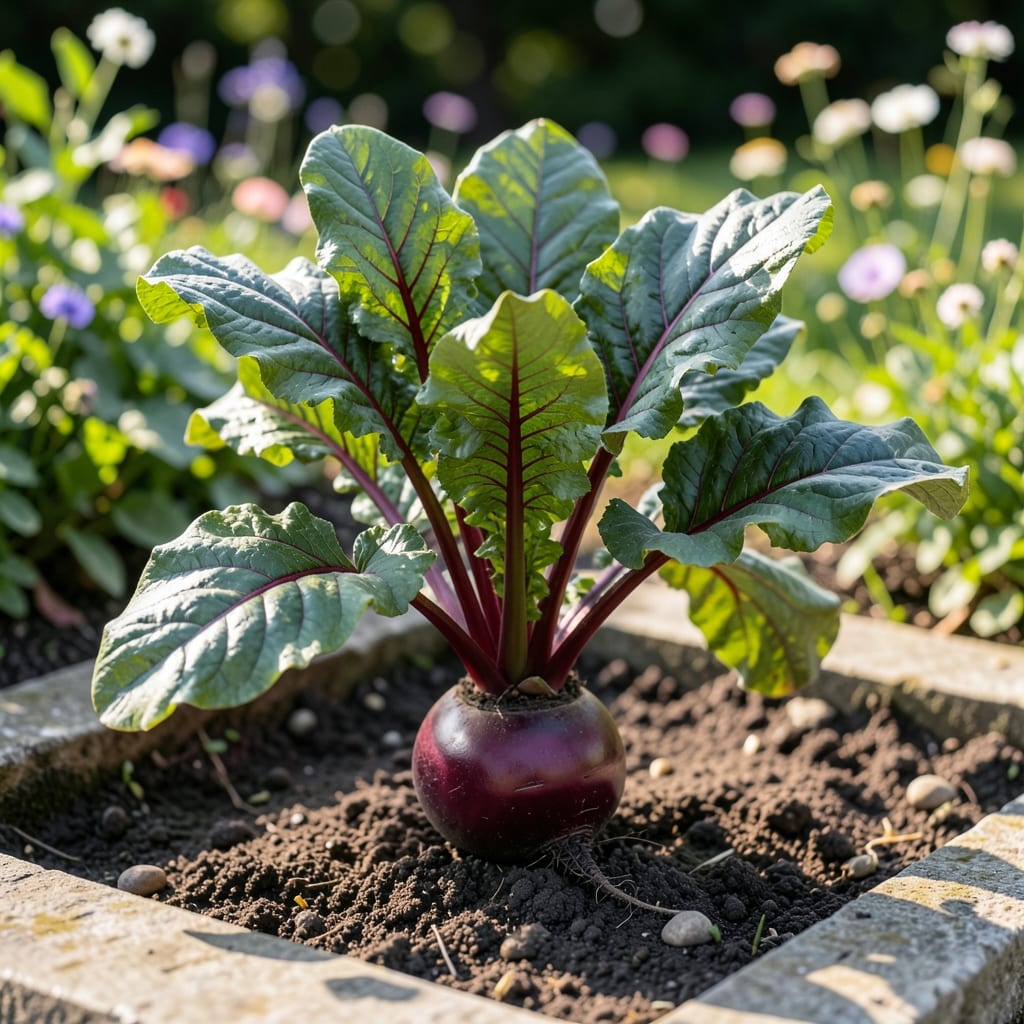
If you're curious about how tall do beets grow, you're in for a pleasant surprise—these vibrant veggies come in more sizes than you might expect! While the classic beetroot stays close to the ground, their leafy greens can stretch up to 18 inches tall, making them a versatile addition to any garden. Whether you're growing beets for their roots or their tender greens, understanding their growth patterns helps you plan your space and timing perfectly.
Most beet varieties keep their roots compact, typically reaching just 2-4 inches in diameter, but their foliage can soar higher depending on the type. For example, Detroit Dark Red beets stay shorter, while leafy varieties like Fordhook Giant can grow taller stems. This means you can grow beets in small containers or larger garden beds without worrying about overcrowding—just adjust your spacing based on the variety you choose.
Timing is everything when it comes to harvesting beets at their peak. Roots are best when they’re 1-3 inches wide, while leaves can be picked young for salads or left to mature for a heartier harvest. Knowing when to pull them ensures you get the sweetest, most tender beets before they become woody or bolt in warmer weather.
Ready to grow your own? With the right variety and care, you’ll have beets that are just the right size—whether you’re aiming for a compact root or a towering pile of greens. Let’s dive into the specifics so you can make the most of your garden space!


Beet variety heights: from tiny to towering growth charts
When planning your beet garden, understanding variety-specific heights is key to maximizing space and yield. Most gardeners focus on the root size, but the leafy greens (also edible!) can reach surprising heights depending on the variety. Let's break down the most popular types and their mature dimensions to help you choose the perfect fit for your garden.
Beets generally fall into two main categories: root-focused varieties (prioritizing bulb size) and leafy varieties (grown for greens). Even within these groups, heights can vary by 6–12 inches. For example, the Detroit Dark Red stays compact at just 4–6 inches tall for roots, while its greens can stretch to 12–18 inches. This dual-purpose growth makes beets incredibly versatile for small gardens.
Here’s a quick visual guide to help you compare the most common varieties and plan your spacing accordingly:
The Detroit Dark Red and Chioggia varieties are my top picks for home gardens—their balanced height (roots + greens) makes them easy to manage. If you’re growing beets in containers or small spaces, the Babybeat or Golden Beets are ideal because their compact roots (just 1–3 inches) won’t overcrowd. For leafy greens alone, Bull’s Blood delivers taller, bushier foliage (up to 2 feet) but produces smaller roots.
Pro tip: If you’re growing beets for both roots and greens, leave extra space between plants—12–18 inches apart—to accommodate the leafy growth. This also prevents competition for nutrients, which can stunt root development. In tight spaces, consider succession planting by harvesting the greens first and letting the roots mature later.
One common mistake I see is assuming all beets grow the same size. Leafy varieties like Bull’s Blood can reach nearly twice the height of root-focused types, so plan your garden layout accordingly. For example, a 6-inch-tall root beet with 18-inch greens might need double the space you’d allocate for a carrot or radish. Always check the seed packet for mature height estimates—it’s the fastest way to avoid overcrowding.
For container gardening, prioritize dwarf varieties like Babybeat or Little Ball (roots stay under 2 inches). Even then, use large pots (at least 12 inches deep) to accommodate the roots, and harvest the greens first to keep the plant from becoming top-heavy. The key is matching the variety’s growth habit to your space constraints—whether that’s a backyard plot or a balcony planter.
🌱
Beet variety heights: from tiny to towering growth charts
When planning your beet garden, understanding variety-specific heights is key to maximizing space and yield. Most beet roots stay close to the ground, but their leafy tops can reach dramatically different heights depending on the type. For example, Detroit Dark Red beets keep their greens under 12 inches tall, while Fordhook Giant varieties can shoot up to 18 inches or more. This means your garden layout should account for both root size and foliage spread to avoid overcrowding.
If you're growing beets in containers, opt for compact varieties like Babybeat or Little Ball, which stay under 10 inches tall and produce 1-2 inch diameter roots perfect for quick harvests. For larger garden beds, taller varieties like Chioggia (with its striking striped roots) can handle more space, though their greens may still need 12-16 inches of vertical room.
Here’s a quick reference for common beet varieties and their mature heights:
| Variety | Root Size | Leaf Height | Spacing |
|---|---|---|---|
| Detroit Dark Red | 2-3 inches | 10-12 inches | 3-4 inches apart |
| Fordhook Giant | 3-4 inches | 16-18 inches | 4-6 inches apart |
| Chioggia (Striped) | 2-3 inches | 12-14 inches | 3-4 inches apart |
| Babybeat | 1-2 inches | 8-10 inches | 2-3 inches apart |
| Golden Beets | 2-3 inches | 10-12 inches | 3-4 inches apart |
Proper spacing isn’t just about preventing competition—it’s also about ensuring even growth and reducing the risk of diseases like leaf spot. For example, Fordhook Giant beets need extra room because their larger roots and taller leaves require more nutrients and sunlight. If you’re growing beets in rows, aim for 12-18 inches between rows to allow airflow and easy access for harvesting.
For container gardening, choose dwarf varieties and limit each pot to 2-3 plants to avoid root competition. Even with compact varieties, ensure your containers are at least 6 inches deep to accommodate the roots and prevent overcrowding as the greens grow upward. This way, you can enjoy both the roots and the leaves without sacrificing space.
Remember, the height of your beets isn’t just about the variety—soil quality and sunlight exposure play a huge role too. Well-drained, nutrient-rich soil encourages even growth, while consistent sunlight ensures the greens reach their full potential. With the right variety and care, you’ll have beets that fit perfectly in your garden—whether you’re growing them for their roots, leaves, or both!