
Size
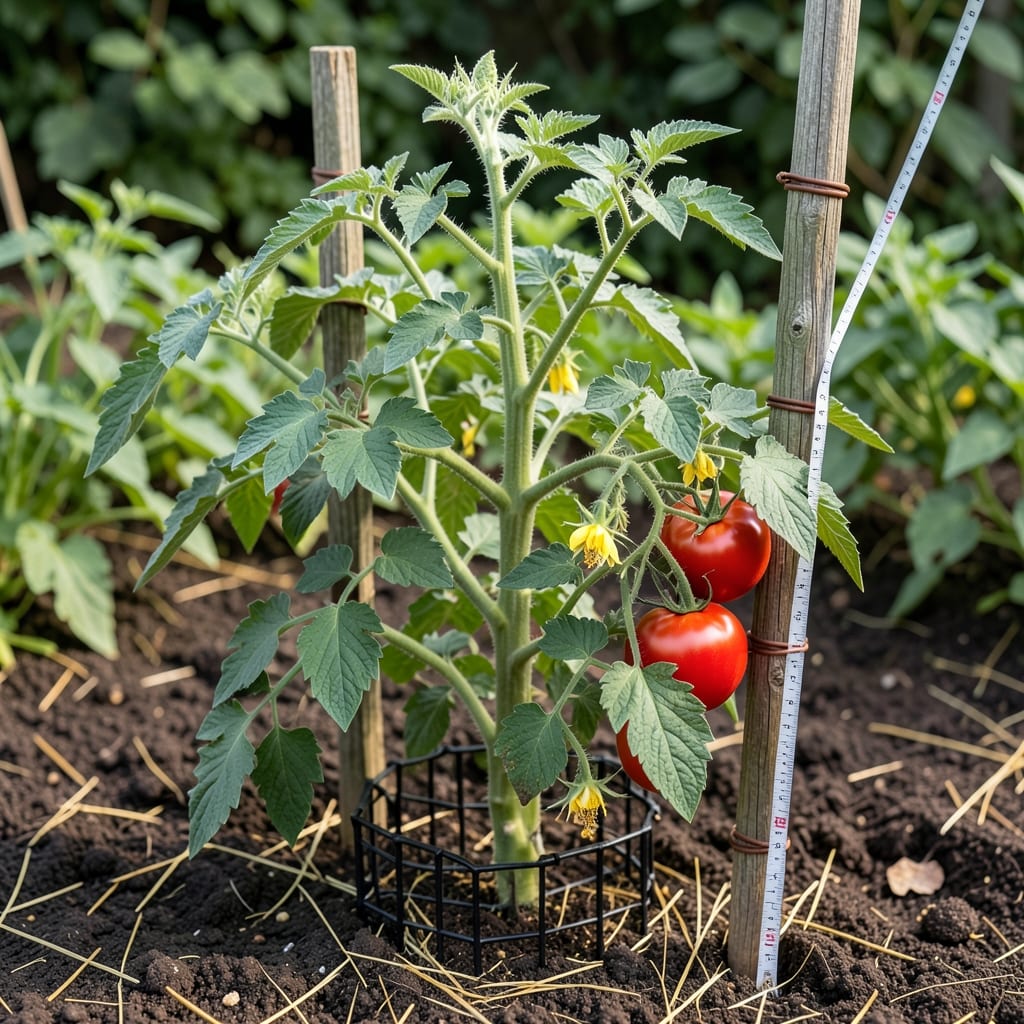
If you're planning your garden and wondering how tall do Big Beef tomato plants grow, you're not alone—many gardeners hesitate to plant these giants for fear of space constraints. But with the right care, these 🍅 powerhouses can thrive in even modest backyards, reaching heights of 5 to 8 feet when properly supported.
The key to managing their impressive growth lies in understanding their indeterminate nature, which means they won’t stop growing until frost hits. This makes pruning and trellising essential for both controlling height and maximizing fruit production. Without support, you might end up with sprawling vines and fewer tomatoes, so let’s break down how to keep them happy and productive.
Whether you’re a beginner or a seasoned gardener, knowing how to train these plants will help you avoid common pitfalls like overcrowding or weak stems. I’ll share practical tips to ensure your Big Beef tomatoes grow strong, healthy, and full of flavor—no matter how much vertical space you have to work with.
From choosing the right trellis to mastering pruning techniques, you’ll discover how to turn these towering plants into a bounty of homegrown tomatoes. Let’s get your garden ready for a harvest that’ll make your neighbors jealous!


Big Beef tomato plant height: growth range by variety and seasonal factors
Big Beef tomato plants are indeterminate varieties, meaning they don’t have a fixed height and will keep growing until frost stops them. On average, these plants reach 5 to 8 feet tall with proper care, but some exceptional specimens can even surpass 10 feet in ideal conditions. Their height is influenced by genetics, sunlight exposure, and how you train them.
Their vertical growth starts slowly but accelerates as the plant matures. By mid-summer, you’ll notice rapid elongation, especially if you’re using a trellis or cage system. Without support, Big Beef tomatoes can sprawl up to 3 to 4 feet wide, so planning for vertical space is crucial. This makes them perfect for small gardens or urban containers when managed correctly.
One key factor affecting height is the pruning technique you use. Heavy pruning can limit growth to 4 to 6 feet, while minimal pruning allows them to reach their full potential. I’ve found that balancing pruning and support is the secret to maximizing both height and fruit production.
Seasonal conditions also play a role. In warmer climates with longer growing seasons, Big Beef tomatoes may continue growing until late fall, while in cooler regions, they’ll stop around mid-to-late summer. Always check your last frost date to estimate how tall your plants might grow in your specific zone.
Here’s a quick breakdown of what to expect based on growing conditions:
Understanding these factors will help you predict how tall your Big Beef tomatoes will grow and plan your garden layout accordingly. For example, if you’re working with limited vertical space, pruning and trellising are your best friends. I’ve seen some gardeners use overhead trellises to train plants to grow even higher, creating a stunning vertical garden feature.
Another tip: If you’re growing Big Beef tomatoes in containers, expect slightly shorter heights (around 4 to 6 feet) due to root restrictions. However, with deep pots (at least 18–24 inches deep) and proper support, you can still achieve impressive growth. Always ensure your container has drainage holes to prevent root rot.
Finally, don’t forget that soil quality and nutrients impact height. Rich, well-draining soil with plenty of organic matter will encourage healthier, taller growth. I recommend amending your soil with compost or aged manure before planting to give your Big Beef tomatoes the best start possible.
Now that you know what to expect, let’s talk about how to support these towering plants effectively. The right support system can make all the difference in managing their height and maximizing your harvest.
Support systems for tall Big Beef tomatoes: cages vs. trellises vs. stakes
Choosing the right support system for your Big Beef tomatoes isn’t just about managing their height—it’s about maximizing fruit production and keeping your plants healthy. Since these indeterminate varieties can grow 5 to 8 feet tall (or taller with ideal care), selecting the proper support will prevent sprawling vines, improve airflow, and make harvesting easier. Without support, you risk disease spread, poor fruit development, and broken stems under the weight of large tomatoes.
The three most popular support options—cages, trellises, and stakes—each have unique advantages depending on your garden layout and maintenance preferences. Cages, for example, are the easiest for beginners because they require minimal training, while trellises offer the most control over plant direction and space efficiency. Stakes, on the other hand, are lightweight and ideal for small gardens but demand more frequent tying.
Here’s how each support system compares in terms of height capacity, stability, and ease of use, so you can pick the best fit for your Big Beef tomatoes:
If you’re growing Big Beef tomatoes in a container garden, opt for a 5-foot cage or a sturdy trellis to save space while still supporting their height. For in-ground planting, a 6-foot trellis or a reinforced cage will give you the best balance of stability and yield. I’ve found that overhead trellises work wonders for maximizing vertical growth, especially in urban settings where space is limited.
One common mistake I see is using under-sized cages for Big Beef tomatoes. These plants need room to sprawl even when supported, so always choose a cage that’s at least 5 feet tall and 2 feet wide. For trellises, aim for 6-foot heights with crossbars every 18 inches to prevent vines from sagging under the weight of large fruit.
Pro tip: If you’re using stakes, bamboo or metal stakes are the most stable options. Drive them 12–18 inches deep into the soil and tie the main stem loosely with soft plant ties or strips of old fabric. Avoid wire ties—they can damage stems as the plant grows. For extra security, especially in windy areas, consider double-staking or using a T-post trellis system.
Finally, don’t forget that pruning goes hand-in-hand with support. If you’re using a trellis, you’ll need to prune more aggressively to direct energy upward. With cages, you can be slightly more lenient, but always remove suckers (side shoots) regularly to prevent overcrowding. The right support system will not only control height but also boost your tomato harvest by keeping plants healthy and productive all season.