
Vegetables
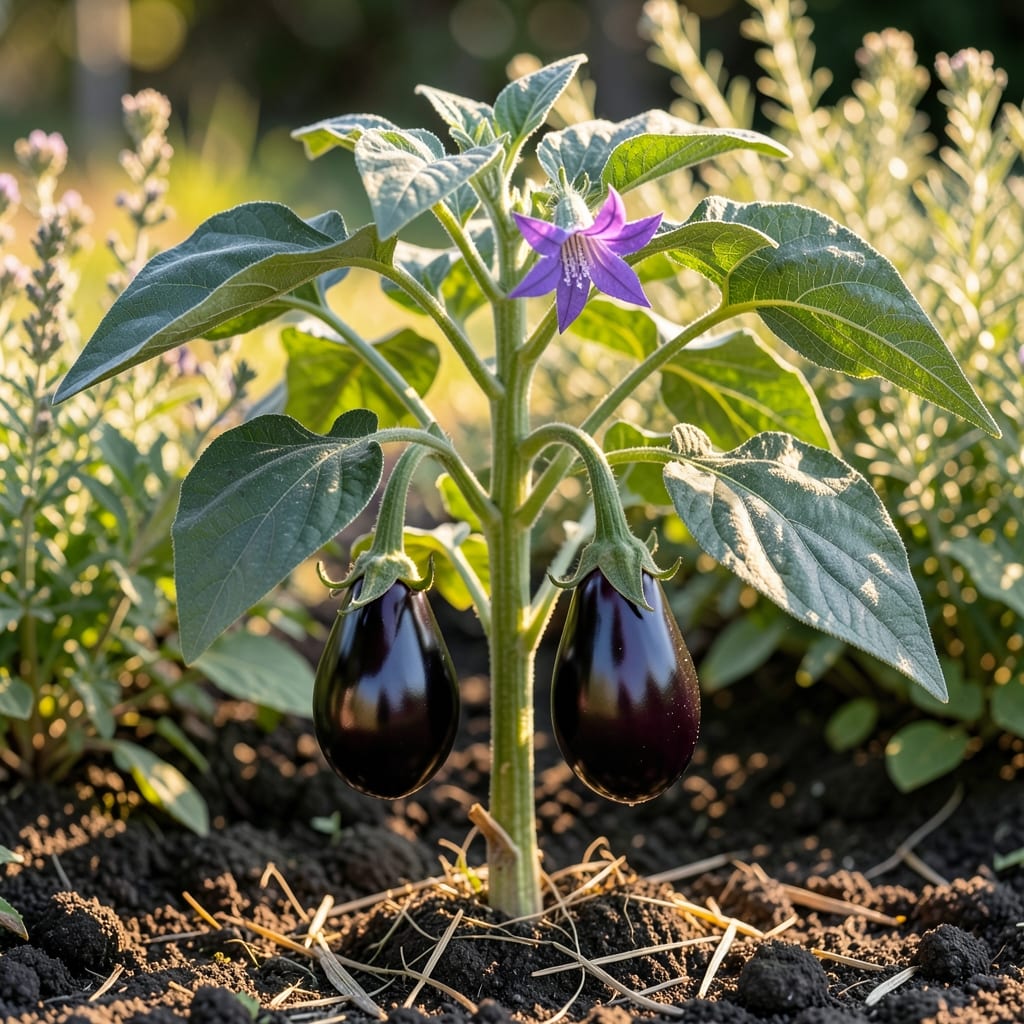
Wondering how tall do Black Beauty eggplants grow and whether your garden space can handle them? This popular variety often surprises gardeners with its rapid vertical growth, but knowing the exact height range—and how to manage it—is key to a thriving harvest.
Black Beauty eggplants typically reach 2 to 3 feet tall, making them a medium-sized plant perfect for both containers and in-ground gardens. Their bushy, indeterminate growth means they’ll keep producing fruit as long as conditions are right, but without proper care, they can sprawl beyond your expectations.
In warmer climates like USDA Zone 6a, these plants thrive with minimal height restrictions, while cooler zones may need extra care to support their structure. Whether you’re planting after last frost in late April or adjusting for your local growing season, understanding their growth habits helps you plan spacing and support systems effectively.
Ready to maximize your eggplant yield? I’ll show you exactly how to control their height—from pruning tips to trellising tricks—so you can enjoy a bountiful harvest without the guesswork. Let’s get growing!


Black Beauty eggplant height guide: exact growth ranges by variety type
Black Beauty eggplants are a gardener's favorite, but their mature height can vary more than you might expect. As a standard indeterminate variety, they typically reach 3 to 5 feet tall under ideal conditions, though many gardeners report heights between 4 and 5 feet when grown in optimal climates. The key difference lies in whether they're grown as bush plants (pruned) or allowed to vine naturally.
What surprises most growers is how genetic variations and cultivation techniques can shift this range. For example, compact hybrids (like Black Beauty's close relatives) often max out at 2 to 3 feet, while traditional Black Beauty plants left unchecked can stretch toward 6 feet in warm climates. The plant's growth habit—whether it's determinate or indeterminate—plays a huge role in final height.
Here's the critical distinction: True Black Beauty eggplants are indeterminate, meaning they produce flowers and fruit along the entire stem and continue growing taller throughout the season. This contrasts with determinate varieties, which grow to a fixed height (often 2 to 3 feet) and produce fruit only at the top. Misidentifying your plant can lead to overcrowding or underutilized space.
If you're growing from seed packets labeled "Black Beauty", verify the source—some seed companies now sell dwarf or bush-type hybrids under the same name. These compact versions are bred for container gardening or small spaces, often reaching just 2 to 2.5 feet. Always check the seed packet description for height guarantees, as this can save you from space planning mistakes later in the season.
Another factor affecting height is trellising or staking. When trained vertically, Black Beauty plants can grow taller than their natural bush form—some gardeners report heights of 5 to 6 feet when using strong trellises. However, this vertical growth often comes at the cost of fewer lower branches, which can reduce fruit production if not managed properly with pruning techniques.
For container gardening, expect Black Beauty plants to stay shorter—typically 2 to 3 feet—due to root restriction. The pot size matters: a 5-gallon container will limit height more than a 15-gallon grow bag. Always ensure your container has drainage holes and use a lightweight potting mix to prevent root stress, which can stunt growth.
Here’s a quick reference for Black Beauty eggplant height expectations based on growing conditions:
| Growing Condition | Expected Height Range | Notes |
|---|---|---|
| Standard in-ground (USDA Zones 7-10) | 4–5 feet | Indeterminate growth; prune for bushier form |
| Compact hybrid (container or small space) | 2–3 feet | Bred for shorter stature; check seed packet |
| Trellised or staked | 5–6 feet | Requires support; prune lower branches |
| Cool climates (Zones 4-6) | 3–4 feet | Slower growth; use row covers |
| 5-gallon container | 2–2.5 feet | Root-bound plants stay shorter |
Understanding these height variations helps you plan your garden layout and maximize space. For example, if you're growing Black Beauty in a raised bed, space plants 18 to 24 inches apart to allow for their natural spread and height. In container gardens, reduce spacing to 12 to 18 inches since the plants will be more compact.
One common mistake is assuming all eggplants grow the same height. Black Beauty is significantly taller than varieties like Fairy Tale (1–2 feet) or Ichiban (2–3 feet). If you're mixing varieties, group taller plants together and keep dwarf types near the front of beds for easier harvesting. This strategic placement also improves air circulation, reducing the risk of diseases like powdery mildew.
For gardeners in small spaces or urban gardens, consider pruning techniques to control height naturally. Pinching back the top growth when the plant reaches 2 to 3 feet encourages a bushier, more compact form while still producing fruit. This method is especially useful for container growers who want to avoid trellises but need to manage height.
If you're new to growing Black Beauty eggplants, start with one or two plants to test your local conditions. Take notes on their final height, fruit production, and any growth challenges (like legginess or slow development). This firsthand data will help you adjust future plantings for optimal height and yield.
Black Beauty eggplant height guide: exact growth ranges by variety type
Black Beauty eggplants are a garden staple, but their height can vary dramatically based on growing conditions and variety. The classic Black Beauty typically reaches 3 to 5 feet tall when grown outdoors, but many gardeners miss this mark due to poor spacing or lack of support. Their indeterminate growth habit means they’ll keep climbing until frost, so understanding their potential height helps you plan your garden layout.
If you’re growing compact or dwarf varieties (like Black Beauty hybrids), expect heights between 2 to 3 feet. These shorter plants are ideal for containers or small spaces, but they still need proper care to reach their full potential. The key difference lies in genetics—standard Black Beauty plants grow taller naturally, while dwarf versions are bred for controlled growth.
Here’s a quick comparison to help you visualize their mature size:
| Variety Type | Mature Height | Growth Habit | Best For |
|---|---|---|---|
| Standard Black Beauty | 3–5 ft | Indeterminate | Open gardens, trellises |
| Dwarf Hybrids | 2–3 ft | Determinate | Containers, small spaces |
| Trellised Black Beauty | 5–7 ft | Indeterminate (vertical) | Vertical gardens, small footprints |
Pro tip: If your Black Beauty plants are growing leggy, it’s often due to insufficient light or overcrowding. To encourage bushier growth, pinch off the top set of leaves when the plant reaches 12–18 inches tall. This redirects energy to lateral branches, reducing height while increasing fruit production.
For maximum yield in limited space, consider training your Black Beauty on a trellis or cage. This not only controls height but also improves air circulation, reducing the risk of fungal diseases like powdery mildew. Just ensure your support structure is sturdy—these plants can get surprisingly heavy when laden with fruit!
Always check seed packets for specific height claims, as some modern hybrids may differ slightly from the classic Black Beauty. If you’re unsure, err on the side of giving them more space—they’ll thank you with bigger, healthier fruit.