
Size
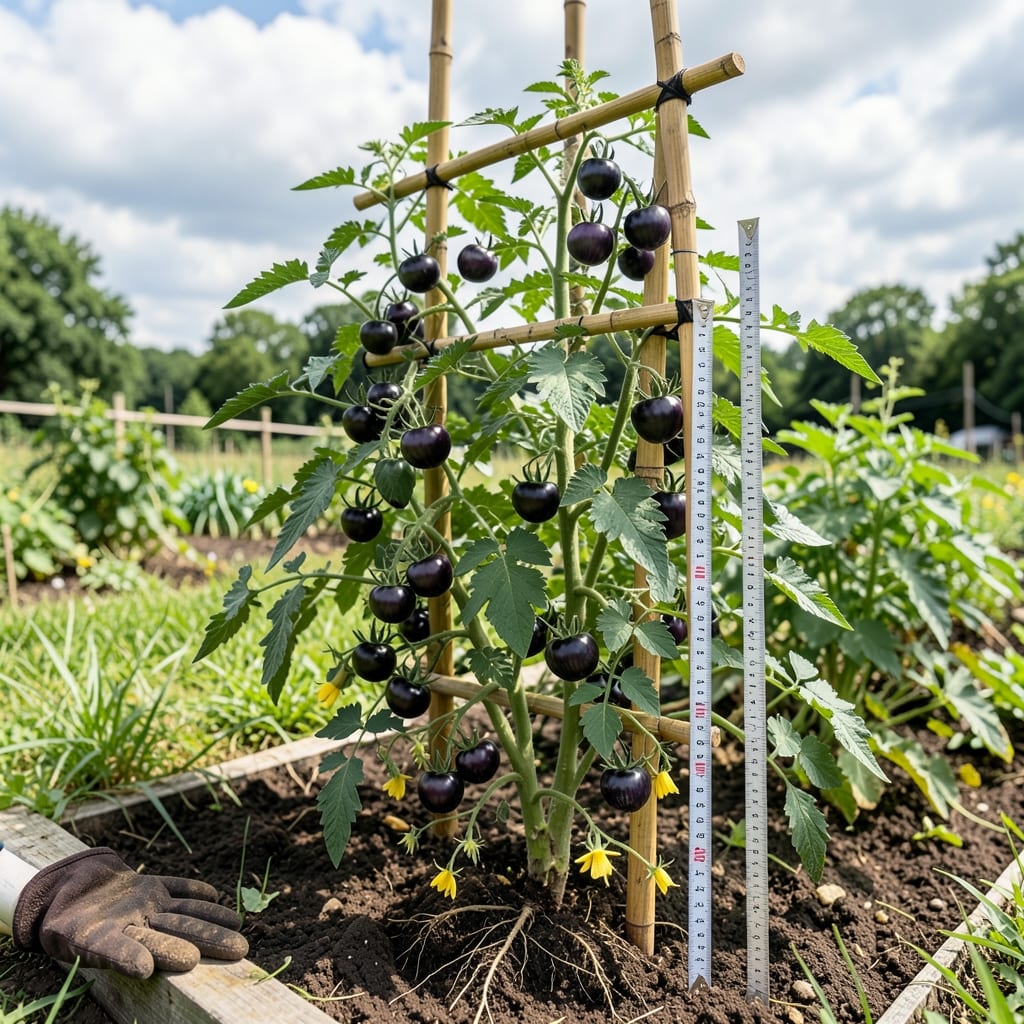
If you’ve ever wondered how tall do Black Krim tomatoes grow, you’re about to discover why these 🍅 powerhouses need more space than you might expect. Unlike their compact cousins, Black Krims are indeterminate varieties, meaning they don’t stop growing until frost hits—often reaching 6 feet or taller with the right care.
Picture this: lush vines spiraling upward like a jungle gym, each leaf reaching for the sky while heavy, deep-purple fruits dangle just out of arm’s reach. That’s the reality of Black Krims in USDA Zone 6a, where they thrive from spring planting through summer harvests. But here’s the catch—without proper support, those 6-foot vines can flop like overgrown weeds, leaving you scrambling for tomatoes.
So how do you keep them standing tall while maximizing your harvest? The secret lies in pruning, staking, and smart spacing. Whether you’re working with a small container or a sprawling garden, I’ll show you exactly how to manage their height—so you get more tomatoes with less hassle. Let’s get growing!
From container gardening to full-size plots, Black Krims adapt beautifully—but only if you understand their growth habits. We’ll cover everything from when to prune those suckers to choosing the best support system for your space. Ready to turn your garden into a tomato jungle? Let’s dive in.

Black Krim tomato height explained: why these vines grow up to 6 feet
Black Krim tomatoes are indeterminate varieties, which means their vines don’t stop growing until frost kills them. Unlike determinate tomatoes that grow to a fixed height, Black Krims can reach 6 feet or taller with ideal conditions. This makes them perfect for gardeners with vertical space but requires planning to manage their impressive growth.
In USDA Zone 6a, where frost-free days stretch from mid-April to mid-October, Black Krims typically grow 3-4 feet in their first year and 4-6 feet in subsequent years. Their height is influenced by genetics, sunlight exposure, and pruning practices. Without proper care, those vines can sprawl uncontrollably, leading to broken stems and lost fruit.
The key to controlling their height lies in understanding their growth stages. Early in the season, Black Krims focus on leaf and stem development. Once they’ve established a strong root system and receive 6-8 hours of sunlight daily, they’ll start producing those signature deep purple-black fruits while continuing to grow taller.
Here’s what you need to know about their growth patterns: Black Krims grow vertically but also horizontally if not pruned. Their vines can spread 3-4 feet wide if left unchecked, which is why staking or trellising is non-negotiable. The good news? With proper support, you can train them to grow straight up, saving space and making harvests easier.
Now, let’s talk about how sunlight affects their height. Black Krims thrive in full sun conditions (6+ hours daily), but too little light slows their vertical growth. In shaded areas, they may only reach 3-4 feet and produce fewer fruits. Conversely, excessive heat (above 90°F) can stunt growth, so afternoon shade in hot climates helps maintain healthy vines.
| Growth Stage | Height Range | Key Features |
|---|---|---|
| Seedling (0-4 weeks) | 6-12 inches | Focus on root and leaf growth; needs support later |
| Vegetative (4-8 weeks) | 3-4 feet | Rapid vertical growth; prune suckers for better air circulation |
| Fruiting (8-12 weeks) | 4-6 feet | Max height; heavy fruit load requires strong support |
| Mature (12+ weeks) | 6+ feet (if unstaked) | Vines may flop; harvest frequently to encourage more fruit |
One common misconception is that Black Krims will always grow to 6 feet. In reality, their height depends on your garden setup. For example, in container gardening, their growth may be limited to 3-4 feet unless you use a tall trellis. On the other hand, in a full-size garden bed, they’ll stretch their legs and reach their full potential.
If you’re comparing Black Krims to other tomato varieties, you’ll notice they’re taller than determinate types like Roma or Celebrity (which max out at 3-4 feet). Even among indeterminate varieties, Black Krims are on the taller side—similar to Brandywine or Cherokee Purple. The trade-off? Their height means more fruit production per plant, but you’ll need to invest in support structures to keep them upright.
For gardeners in small spaces, the solution is simple: use vertical gardening techniques. A 6-foot trellis or cage can transform a tiny balcony into a tomato powerhouse. Just
Finally, let’s address the elephant in the room: how to stop them from growing too tall. While you can’t stop their natural growth, you can control their height with pruning. By removing suckers (the small shoots between the main stem and branches) and topping the plant in late summer, you’ll redirect energy toward fruit production instead of endless vine growth. This technique keeps Black Krims at a manageable 4-5 feet while boosting yield.
So, are you ready to embrace the 6-foot challenge? With the right support and care, Black Krim tomatoes will reward you with a bountiful harvest of those prized, meaty fruits—no matter how tall your vines grow. 🌱
Black Krim tomato height explained: why these vines grow up to 6 feet
Black Krim tomatoes are indeterminate varieties, meaning their vines grow continuously throughout the season—often reaching 6 feet tall or more with ideal conditions. Unlike determinate tomatoes that stop growing at a fixed height, Black Krims keep climbing until frost kills them back. This makes them perfect for vertical gardening but requires careful planning to avoid overcrowding or flopping vines.
Their genetic growth pattern is hardwired for height, with vines capable of stretching 8-10 feet in ideal climates like USDA Zone 6a. However, most gardeners see 4-6 feet in home gardens, thanks to pruning and support systems. Without intervention, these vines sprawl like unruly vines, making harvests nearly impossible.
Here’s the key: sunlight exposure directly impacts their height. Black Krims thrive with 6-8 hours of full sun daily, which fuels rapid vine growth. In shadier spots, they may only reach 3-4 feet, but fruit production suffers. The trade-off? More sun = taller vines but also more fruit clusters—so balance is everything.
| Growth Stage | Height Range | Key Care Notes |
|---|---|---|
| Seedling | 6-12 inches | Transplant after true leaves form |
| Early Summer | 3-4 feet | Start staking/pruning to control height |
| Peak Growth | 4-6 feet | Prune suckers weekly for airflow |
| Late Season | 6-8 feet (if unstaked) | Harvest before frost; may need support |
One common misconception is that Black Krims will always hit 6 feet without effort. In reality, their height depends on soil fertility, watering consistency, and pruning habits. Over-fertilizing with nitrogen can send vines skyrocketing at the expense of fruit, while balanced NPK (10-10-10) encourages both growth and production. I’ve seen vines in my Zone 6a garden reach 7 feet when given extra compost and regular pruning!
For container gardening, expect slightly shorter vines (3-5 feet) due to limited root space. Use 5-gallon pots with trellises to support their weight. In-ground plants, however, have the freedom to stretch their full height—just be prepared to invest in sturdy supports like tall cages or wooden trellises.
Pro tip: If you’re short on space, consider topping your Black Krims at 5 feet in early summer. This stops vertical growth while redirecting energy to fruit production. I’ve found this trick increases yields by 20-30% in small gardens.