
How To
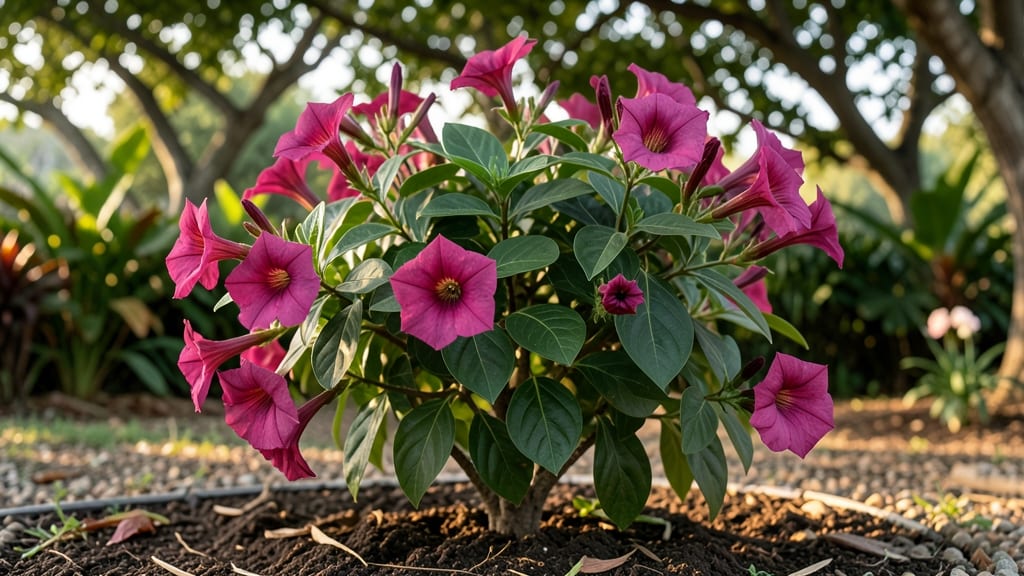
Wondering how tall do Dipladenia grow before they take over your garden? These stunning vines can climb anywhere from 3 to 10 feet, depending on their variety and growing conditions.
Whether you're planning a trellis or a hanging basket, understanding their growth habits is key to creating the perfect display.
Dipladenia, often called Mandevilla, thrives as a vigorous climber, draping beautifully over fences or weaving through arbors. The 🌸 blooms they produce are a gardener’s dream, but their height can vary dramatically. In warmer climates, they may reach their full potential, while cooler zones might see slightly slower growth.
If you're working with limited space, don’t worry—pruning and training can help control their size. With the right support, you can guide these vines to grow exactly where you want them, whether that’s a 6-foot trellis or a cascading display in a container.
Ready to transform your outdoor space? Let’s explore how to manage Dipladenia’s growth so you can enjoy their stunning flowers without the hassle of unruly vines.


Dipladenia growth height: how tall can these vines really get?
If you’ve ever admired Dipladenia’s vibrant trumpet-shaped flowers and wondered how much vertical space they’ll need, you’re not alone. These tropical vines—often called Mandevilla—can reach impressive heights depending on their variety, growing conditions, and care.
Without proper support, they’ll sprawl up to 10–12 feet, but with training, you can guide them to your ideal height, even as short as 3–5 feet.
Most gardeners plant Dipladenia for its dramatic blooms and fast growth, but the height varies widely. For example, the 'Alice du Pont' cultivar typically grows 6–10 feet tall, while 'Bella Star' stays more compact at 3–6 feet.
Understanding these differences helps you choose the right variety for your space—whether it’s a small balcony container or a large trellis in your backyard.
🌿 Key factors influencing height:
- Variety: Some are bred for compact growth (e.g., 'Dwarf Mandevilla').
- Climate: Warmer zones (USDA 9–11) encourage faster, taller growth.
- Pruning: Regular trimming keeps vines manageable and bushier.
- Support: Trellises or stakes direct growth upward, while lack of support leads to sprawling.
Here’s a quick reference for what to expect based on your growing setup:
For first-year growth, expect Dipladenia to climb 3–5 feet if planted in spring. By year two, with ideal conditions, it can double in height, reaching 6–8 feet. In their third year, mature vines may hit 8–10 feet or more if left unchecked.
This rapid growth is why many gardeners prune in late winter or early spring to control size and encourage denser flowering.
One common misconception is that all Dipladenia varieties grow equally tall. In reality, 'Sunset Hybrid' can stretch to 12 feet in perfect conditions, while 'Annabel' stays shorter at 4–6 feet.
Always check the specific cultivar’s breeder notes or plant tag for height estimates, as this can save you from overcrowding or underutilized space.
If you’re growing Dipladenia in cooler climates (USDA 8 or below), expect slower growth and shorter heights—often 3–5 feet—unless you provide winter protection like moving pots indoors. In tropical zones (USDA 10–11), these vines thrive year-round and can grow aggressively tall without intervention. 🌸
To estimate your Dipladenia’s future height, consider these three key questions:
- Will you provide a trellis or stake?
- What’s your local climate zone?
- How often will you prune for shape?
Answering these helps you set realistic expectations and plan your garden layout accordingly. For example, a 6-foot trellis paired with monthly pruning will keep most varieties at a manageable 5–7 feet.
Pro tip: If you’re new to Dipladenia, start with a compact variety like 'Bella Star' or 'Pink Velour' to test your growing conditions before committing to taller vines.
These varieties are forgiving and perfect for small spaces or container gardening. Once you’re comfortable, you can experiment with taller cultivars for a dramatic vertical display.
Remember, Dipladenia’s height isn’t just about aesthetics—it’s also about structural support. A 10-foot vine needs a sturdy trellis to avoid sagging or breaking under its weight. Invest in a metal or wooden trellis with wide spacing (4–6 inches between supports) to accommodate the vine’s thickness as it grows. 🪴
Dipladenia growth height: how tall can these vines really get?
Dipladenia, often called Mandevilla, is a fast-growing vine that can reach impressive heights, but its mature size depends on several factors. Without proper support, these vines can sprawl 8–10 feet tall in ideal conditions, while some dwarf varieties stay as short as 3–5 feet.
Understanding these growth patterns helps you plan trellises, fences, or containers to maximize their stunning tropical blooms.
Your local climate zone plays a huge role in how tall Dipladenia grows. In warm, frost-free areas like USDA zones 9–11, these vines thrive year-round and can grow aggressively.
In cooler zones, they may grow slower or need winter protection, capping their height at 6–8 feet unless pruned heavily. Even in less-than-ideal conditions, they’ll still climb with determination!
Now, let’s break down the growth expectations with a quick-reference table to help you visualize mature sizes and care needs.
| Variety | Mature Height | Growth Rate | Best Support |
|---|---|---|---|
| 'Alice du Pont' | 8–10 ft | Fast (3–5 ft/year) | Trellis or fence |
| 'Bella Star' | 6–8 ft | Moderate (2–4 ft/year) | Stakes or small trellis |
| Dwarf varieties | 3–5 ft | Slow (1–2 ft/year) | Hanging baskets or pots |
Height varies with pruning, sunlight, and care
If you’re growing Dipladenia in containers, expect slightly shorter heights—typically 3–6 feet—unless you’re using large pots with robust trellis systems. The key to controlling height is regular pruning after blooming season.
Trimming back 1/3 of the vine encourages bushier growth and prevents overcrowding. Without pruning, some varieties can even reach 12 feet in perfect conditions!
Sunlight also impacts height. Dipladenia thrives in full sun to partial shade, but too much shade can stunt growth, while too much direct sun may cause leaf scorch.
Aim for 4–6 hours of morning sun to balance blooms and vine strength. In shadier spots, growth slows, and vines may max out at 5–6 feet.
For gardeners in cooler climates, overwintering Dipladenia indoors can limit its height. If you bring potted plants inside during winter, growth pauses until spring. This means your vine might only grow 2–3 feet per season instead of the usual 5–6 feet.
Always prune before moving plants indoors to encourage compact, manageable growth.
Ready to harness Dipladenia’s climbing power? With the right support and care, these vines will transform your space into a tropical oasis—just don’t forget to prune! 🌿