
How To
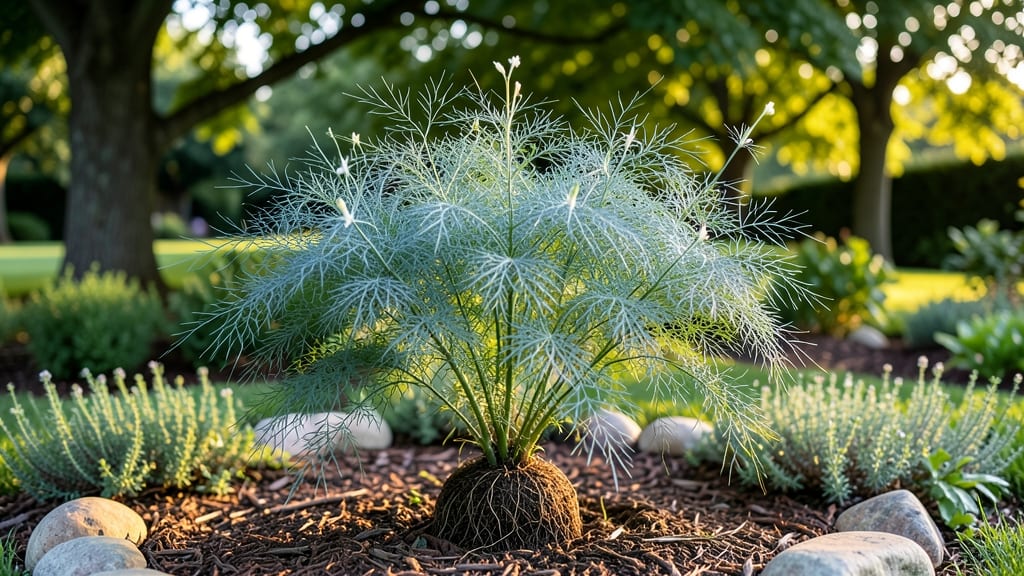
Foxtail fern height guide: indoor growth limits and expectations
If you're growing foxtail ferns indoors, their height can vary dramatically based on care and conditions. Most varieties—like the popular Asparagus densiflorus—typically reach 12 to 36 inches tall when mature, but they can stretch taller if given too much light or space.
The key to controlling their height lies in understanding their growth habits and adjusting your care routine accordingly.
Foxtail ferns grow in clumping patterns rather than spreading like vines, which makes them ideal for containers. However, their height can become unruly if you don’t prune regularly or provide enough light.
In low-light conditions, they may grow leggy and sparse, while too much direct sun can cause them to bolt or burn. Balancing these factors is essential for keeping your plant at a manageable height.
For indoor foxtail ferns, the most common height range is 1 to 3 feet, but dwarf varieties like 'Sprengeri' stay closer to 12 to 18 inches. If you’re working with limited space, choosing a dwarf variety or pruning regularly can help maintain a compact shape.
Even standard varieties can be kept smaller with proper care and regular trimming.
🌱 Foxtail Fern Height Summary
| Variety | Typical Height | Growth Habit | Best For |
|---|---|---|---|
| Asparagus densiflorus | 18-36 inches | Clumping | Indoor containers, hanging baskets |
| 'Sprengeri' | 12-18 inches | Dwarf, dense | Tabletop displays, small spaces |
| 'Myersii' | 24-36 inches | Tall, upright | Floor plants, vertical gardens |
| 'Plumosus' | 12-24 inches | Soft, feathery | Borders, mixed containers |
One of the biggest factors influencing foxtail fern height indoors is the size of the pot. If your plant is root-bound, it will focus its energy on reaching upward rather than spreading out.
To keep your fern at a desired height, repot it every 1-2 years into a container that’s only slightly larger than its current one. This encourages bushier growth rather than vertical stretching.
Light is another critical factor. Foxtail ferns thrive in bright, indirect light, which helps them maintain a compact shape. If your plant is growing too tall or leggy, it’s likely not getting enough light.
Move it to a north-facing window or under a grow light for 4-6 hours a day. Avoid placing it in direct afternoon sun, which can cause the fronds to brown or crisp.
Pruning is the easiest way to control foxtail fern height. You can trim back leggy fronds or overgrown sections anytime, but the best time is in early spring before new growth begins.
Simply cut back any stems that are more than 1/3 taller than your desired height. This encourages the plant to produce fresh, bushier growth and prevents it from becoming top-heavy.
Fertilizing also plays a role in height management. Over-fertilizing can lead to rapid, uncontrolled growth, while under-fertilizing can stunt the plant. Use a balanced fertilizer (10-10-10) every 4-6 weeks during the growing season (spring and summer).
Apply it lightly—just 1 tablespoon per plant—and always water it in to prevent root burn.
If you’re growing your foxtail fern in a hanging basket, expect it to trail downward, which can make it appear taller than its actual height. In this case, the plant’s trailing fronds can reach 2-3 feet long, but the base height remains around 12-18 inches.
To keep it contained, trim the trailing stems back by 1/3 every few months.
Finally, remember that foxtail ferns are perennial, meaning they’ll continue growing year after year if given the right conditions. With proper care, you can enjoy their lush foliage for years while keeping their height in check.
Whether you prefer a compact tabletop plant or a taller floor statement, the key is consistency in light, water, and pruning.
Foxtail fern height guide: indoor growth limits and expectations
Foxtail ferns (Asparagus densiflorus) are beloved for their airy, feathery fronds, but their height can vary wildly depending on where you grow them. Indoors, these plants typically reach 1 to 3 feet tall, though they often stay closer to 18-24 inches in standard home settings.
The key to controlling their growth lies in light exposure, pot size, and pruning habits—all of which I’ll break down to help you keep your foxtail fern at your desired height.
If you’re growing a foxtail fern in a small container, expect it to stay on the shorter side, around 12-18 inches. However, if you place it in a large pot with plenty of sunlight, it can stretch toward the 3-foot mark or beyond.
The good news? You can easily manage their height with a few simple adjustments, like rotating the pot for even growth or trimming leggy stems.
Here’s what you need to know about indoor foxtail fern growth, including how to prevent them from becoming top-heavy or sprawling out of control.
| Factor | Indoor Height Range | Growth Tips |
|---|---|---|
| Light Conditions | 12–24 inches (low light) / 24–36 inches (bright indirect) | Place near a north-facing window for ideal growth. |
| Pot Size | 12–18 inches (small pot) / 24–36 inches (large pot) | Use a 6–8 inch pot for compact growth. |
| Pruning Habits | 12–24 inches (regular pruning) / 30+ inches (no pruning) | Trim brown or leggy stems to encourage bushier growth. |
| Variety | 12–18 inches (Asparagus densiflorus 'Sprengeri') / 24–36 inches (Asparagus plumosus) | Dwarf varieties stay smaller but require the same care. |
One common misconception is that foxtail ferns will grow indefinitely indoors. In reality, their height is directly tied to their environment. For example, a foxtail fern in a sunny kitchen with a large pot will likely outgrow one in a shady bedroom with a small container.
To keep your plant at a manageable size, I recommend repotting every 2–3 years and pruning in early spring to encourage fresh, compact growth.
If you’re dealing with a lanky foxtail fern, it’s often a sign of insufficient light. Move it closer to a window or supplement with a grow light for 6–8 hours a day.
This simple adjustment can make a huge difference in preventing your plant from stretching uncontrollably. Additionally, fertilizing lightly every 4–6 weeks during the growing season (spring and summer) helps maintain a balanced, healthy structure.
For those who love the textured look of foxtail ferns but want to keep them contained, consider growing them in hanging baskets. This not only saves floor space but also allows the fronds to cascade beautifully, creating a dramatic, layered effect without taking up vertical room.
Just ensure the basket has drainage holes to prevent root rot.
Remember, foxtail ferns are low-maintenance plants, but their height is entirely within your control. With the right care, you can enjoy their lush, feathery fronds at any size—whether you prefer them as a small tabletop centerpiece or a tall, statement-making indoor plant. 🌿