
How To
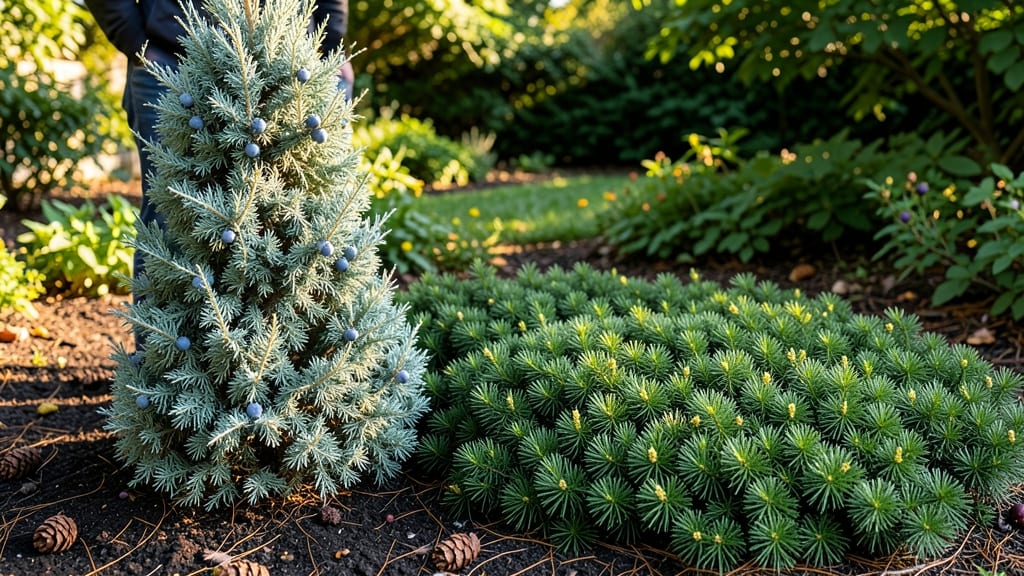
If you're planning your next landscaping project, knowing how tall do junipers grow could make all the difference between a cramped garden and an open, airy space.
These hardy evergreens 🌲 come in sizes that range from tiny shrubs perfect for rock gardens to towering trees that can shade an entire backyard.
What’s even more surprising is how much their final height depends on the variety you choose. Some junipers stay under 3 feet—ideal for borders or containers—while others can reach 40 feet or more, making them a statement piece in larger landscapes.
The key lies in understanding each species’ natural growth habits and how your local climate plays a role.
Whether you’re working with a small urban yard or a sprawling rural property, selecting the right juniper isn’t just about aesthetics—it’s about long-term maintenance and space efficiency.
I’ll break down the most popular varieties, their mature heights, and how to control their growth so you can create the perfect look without the headaches.
Ready to transform your outdoor space? Let’s explore the world of junipers—from pint-sized dwarfs to sky-reaching giants—and find the perfect fit for your garden vision.


Juniper height by species: dwarf varieties vs. giant trees
Junipers are one of the most versatile evergreens in landscaping, offering heights that range from ground-hugging shrubs to towering trees. If you're planning your garden layout, knowing the mature height of each species is crucial.
Some varieties stay under 3 feet, while others can reach 40 feet or more—making them perfect for both small gardens and large estates.
The height variation among junipers depends on their species and growing conditions. For example, the Juniperus horizontalis 'Blue Rug' stays compact at just 1-2 feet tall, while the Eastern Red Cedar (Juniperus virginiana) can soar to 30-40 feet.
Understanding these differences helps you choose the right juniper for your space and design goals.
Here’s a quick comparison of juniper height ranges to help you visualize their potential size in your landscape. Whether you need a privacy screen, a hedge, or a specimen plant, there’s a juniper variety to fit your needs.
If you're working with limited space, dwarf junipers like 'Blue Rug' or 'Blue Carpet' are ideal for containers, rock gardens, or as edging plants. Their slow growth rate means they’ll stay small with minimal maintenance, making them perfect for urban gardens or rooftop terraces.
For larger properties, taller varieties like the Eastern Red Cedar or Rocky Mountain Juniper (Juniperus scopulorum) add dramatic height and structure. These fast-growing species can create natural privacy screens or serve as focal points in your landscape design.
When selecting a juniper, consider not just its mature height but also its spread. Some varieties, like 'Blue Rug', spread wider than they grow tall, while others, like 'Sargentii', maintain a more upright form. This balance ensures your garden stays visually appealing without overcrowding.
One of the biggest misconceptions about junipers is that they all grow into tall trees. In reality, many varieties are naturally compact, making them low-maintenance options for gardeners who want evergreen color without the upkeep of larger plants.
Always check the species tag at the nursery to confirm the expected height before purchasing.
Pro tip: If you love the look of a taller juniper but have limited space, consider pruning to control its height. Regular trimming in late winter or early spring encourages bushier growth and keeps the plant at your desired size.
Just avoid heavy pruning in summer, as it can stress the plant.
Whether you're designing a tiny courtyard or a sprawling backyard, junipers offer endless possibilities. Their drought tolerance and low maintenance make them a favorite among gardeners, and their height versatility ensures there’s a perfect fit for every space.
What determines a juniper’s height: 5 key factors
When selecting a juniper, its mature height isn’t just about the species—your growing conditions play a starring role. Junipers thrive in USDA zones 3-9, but even within that range, factors like soil drainage, sunlight exposure, and pruning practices can dramatically alter how tall your juniper grows.
For example, a Juniperus virginiana might reach 30 feet in ideal conditions but stay under 10 feet in poor soil.
First, let’s talk about root space. Junipers with sprawling root systems—like Juniperus scopulorum—need ample room to grow upward. Planting them too closely to structures or other plants can stunt their height growth by 30-50%.
Always follow spacing guidelines: 3-5 feet apart for dwarf varieties and 10+ feet for tall species.
Next, consider your climate zone. In warmer zones (7-9), junipers grow faster and taller due to longer growing seasons. Meanwhile, in cooler zones (3-5), their growth slows, often resulting in 20-30% shorter mature heights.
For instance, a Juniperus chinensis in Zone 7 might hit 15 feet, while the same plant in Zone 4 could max out at 10 feet.
🌱 Key Factors Affecting Juniper Height
- 1. Root Space: Cramped roots = stunted growth (up to 50% shorter).
- 2. Sunlight: Full sun (6+ hours) = faster, taller growth; partial shade = slower, bushier.
- 3. Soil Drainage: Waterlogged soil = root rot = height loss; well-draining = optimal growth.
- 4. Pruning: Regular pruning = controlled height; no pruning = natural, unchecked growth.
- 5. Climate Zone: Warmer zones = taller; cooler zones = shorter, slower growth.
Tip: Use well-draining soil and mulch to maximize height potential.
Sunlight exposure is another game-changer. Junipers need 6+ hours of direct sun daily to reach their full height potential. In partial shade, they’ll grow more slowly and often develop a bushier, wider form instead of tall and slender. For example, Juniperus horizontalis 'Blue Rug' stays under 2 feet tall even in full sun, but its spread can double in shadier conditions.
Don’t underestimate the power of pruning. Regular pruning—especially for fast-growing species like Juniperus virginiana—can keep heights in check. Prune in late winter or early spring to encourage denser, more compact growth.
Without pruning, a 10-foot juniper could easily reach 20 feet in just a decade. Use sharp, sterilized shears to avoid damaging the plant.
Finally, soil quality directly impacts height. Junipers despise soggy soil—their roots rot quickly in waterlogged conditions, stunting growth. Amend heavy clay soil with sand or gravel to improve drainage. In well-draining, slightly acidic soil (pH 6.0-7.0), junipers grow 20-30% taller than in poor soil.
Always plant in areas with good airflow to prevent fungal diseases that can weaken the plant.