
How To
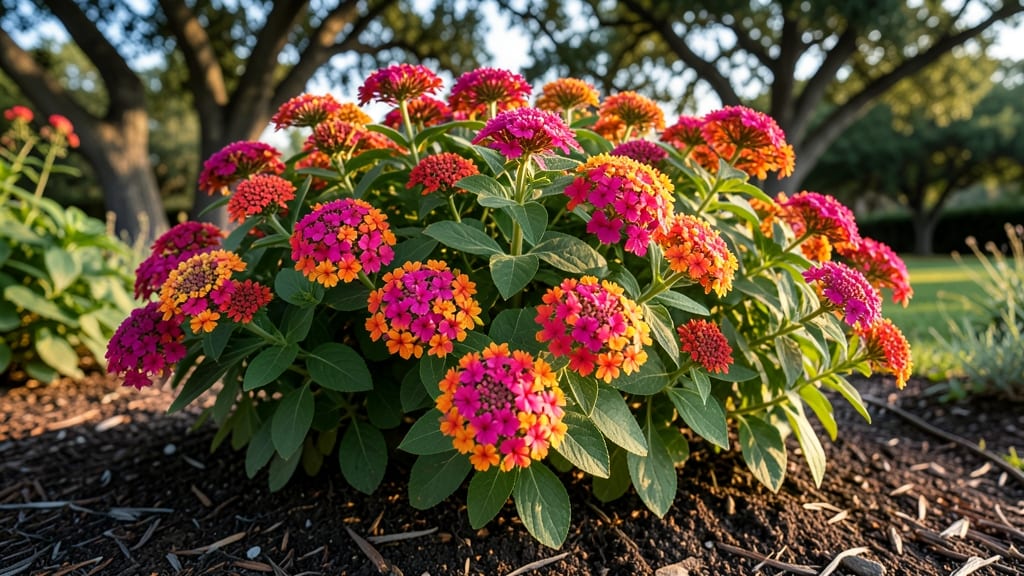
Wondering how tall do lantana grow before you commit to planting? This cheerful 🌺 shrub can be a game-changer for your garden—but its height varies wildly depending on the variety you choose.
Some stay compact at just 1-2 feet, perfect for borders or containers, while others shoot up to 5 feet, making them small trees that command attention.
If you're planning your spring garden (the ideal time to plant lantana in Zone 6), knowing these height differences is key. A trailing variety might spill beautifully over a pot, while an upright type could become your new privacy hedge.
The good news? With the right pruning and care, you can even shape lantana to fit your exact space needs.
Let’s break down the exact height ranges for popular lantana types—from the dwarf varieties that stay under 2 feet to the standard shrubs that reach 4-5 feet.
You’ll also discover how sunlight, soil, and pruning habits can tweak their growth, so you can grow lantana that thrives exactly how you want it.
Ready to pick the perfect lantana for your garden? I’ll walk you through the varieties, growth habits, and pro tips to keep your lantana looking its best—no matter how tall (or short) you prefer it to be.


Lantana height by variety: exact growth ranges for popular types
When planning your garden, knowing lantana height is essential to avoid overcrowding or underutilizing space. Lantana plants vary dramatically—some stay compact at 1-2 feet, while others tower up to 5 feet or more. The Lantana camara species alone includes over 600 cultivars, each with unique growth habits.
For example, the Bandana Series (like 'Bandana Cherry') typically reaches 2-3 feet tall, perfect for borders or containers. Meanwhile, Lantana montevidensis, a native variety, can spread 3-5 feet wide while staying under 3 feet tall. Choosing the right variety ensures your garden design flows seamlessly.
🌺
| Variety | Mature Height | Spread | Growth Habit |
|---|---|---|---|
| Lantana camara 'Bandana Series' | 2–3 ft | 2–3 ft | Upright shrub |
| Lantana montevidensis | 1–3 ft | 3–5 ft | Trailing ground cover |
| Lantana 'New Gold' | 3–5 ft | 3–5 ft | Bushy, aggressive spreader |
| Lantana 'Miss Huff' | 1–2 ft | 2–3 ft | Compact, slow-growing |
| Lantana 'Weeping Lilac' | 2–4 ft | 3–4 ft | Weeping branches |
| Lantana 'Sugar Bush' | 3–5 ft | 4–6 ft | Fast-growing shrub |
Note: Heights vary by climate and pruning practices.
Climate plays a huge role in lantana height. In tropical zones (USDA 9-11), lantana can grow 20-30% taller due to year-round warmth.
For example, Lantana camara in Florida may reach 6 feet, while the same variety in Zone 7 might max out at 3-4 feet without winter protection.
If you’re in a cooler region, opt for dwarf varieties like 'Miss Huff' or 'Bandana Lemon Meringue' to avoid winter dieback. These stay under 2 feet tall and thrive in containers, making them ideal for patios or balconies.
For landscape planning, consider spacing. Upright varieties like 'Bandana Cherry' need 2-3 feet between plants, while trailing types like Lantana montevidensis should be spaced 3-4 feet apart to prevent overcrowding. Always check your local nursery’s recommendations for exact measurements.
🌿
One common mistake is assuming all lantana are tall shrubs. Many gardeners accidentally plant trailing varieties where upright types were intended, leading to messy, unplanned sprawl. To avoid this, always verify the growth habit before purchasing—nursery tags often list both height and spread.
Pro tip: If you love lantana but have limited space, try container gardening. Dwarf varieties like 'Bandana Lemon Swirl' thrive in 12-inch pots and stay under 18 inches tall, perfect for small gardens or urban balconies.
✂️
Lantana height by variety: exact growth ranges for popular types
Lantana plants are famous for their vibrant flowers and low-maintenance nature, but their height varies dramatically depending on the variety. Some stay compact at just 1-2 feet tall, while others can reach 5 feet or more with proper care.
Choosing the right type for your garden space is key—whether you want a ground cover or a privacy hedge.
Most lantana varieties fall into three size categories: dwarf, semi-dwarf, and standard. Dwarf types like Lantana ‘Bandana Cherry’ max out at 1-2 feet, perfect for container gardens or border plantings.
Meanwhile, standard varieties like Lantana camara can tower up to 5 feet tall, making them ideal for background plantings or shrub borders.
| Variety | Mature Height | Growth Habit | Best For |
|---|---|---|---|
| Lantana ‘Bandana Cherry’ | 1–2 ft | Compact shrub | Containers, borders |
| Lantana ‘Miss Huff’ | 2–3 ft | Upright shrub | Foundation plantings |
| Lantana camara (standard) | 3–5 ft | Bushy shrub | Privacy screens |
| Lantana montevidensis | 1–3 ft (trailing) | Spreading ground cover | Slopes, hanging baskets |
| Lantana ‘New Gold’ | 2–4 ft | Semi-dwarf shrub | Mixed borders |
Your climate zone also plays a role in lantana height. In tropical regions (USDA Zones 9–11), lantana often grows taller and bushier year-round, while in cooler zones (Zones 7–8), they may stay shorter unless protected from frost.
For example, Lantana camara in Florida can hit 5 feet, but in California, it might max out at 3–4 feet.
If you’re planting lantana in containers, choose dwarf varieties like Bandana Lemon to keep heights under 2 feet. For ground covers, Lantana montevidensis spreads 3–6 feet wide but stays low, ideal for eroding slopes or rock gardens.
Always check the plant tag for exact height expectations—some nurseries list mature sizes that differ slightly from typical ranges.
For fastest growth, provide full sun and well-draining soil. Regular deadheading (removing spent blooms) encourages more flowers and slightly taller stems. Just remember: the more you prune, the bushier (but not necessarily taller) your lantana will become.
Balance is key to keeping it healthy and proportionate to your garden design.
Now that you know the height ranges, you can plan where to place lantana in your yard—whether as a focal point shrub or a pollinator-friendly border. Just be mindful of spreading roots in some varieties to avoid unwanted takeover in your landscape! 🌺