
How To
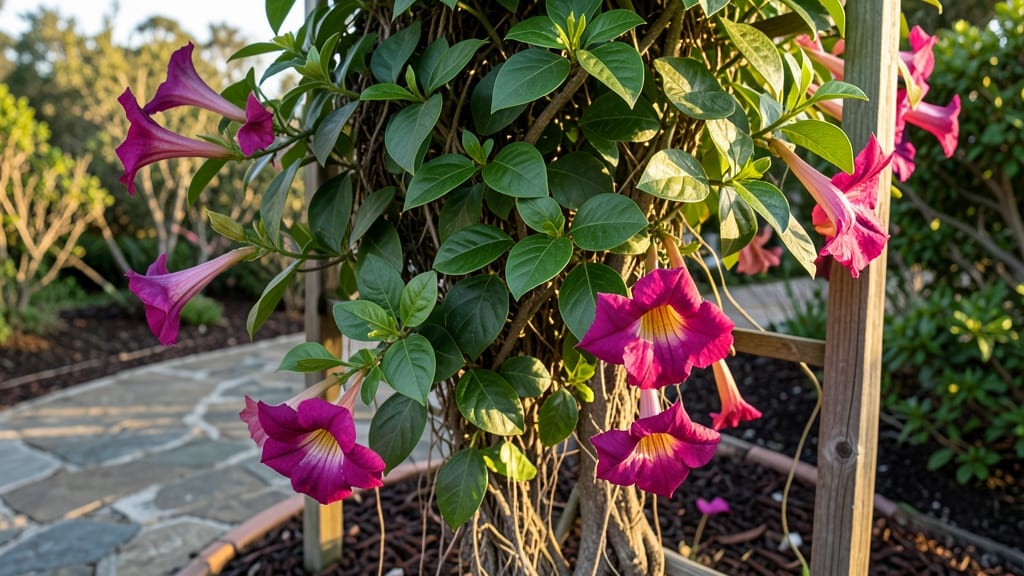
If you're wondering how tall do mandevillas grow, you're about to discover why these tropical beauties become the star of any garden—when given the right care. 🌸 With their lush, vine-like growth, Mandevillas can reach heights of 10 to 15 feet when planted in the ground, but their size depends on variety, support, and your local climate.
What makes Mandevillas so fascinating is their rapid growth rate—some varieties can add 3 to 5 feet in a single season if given the right conditions.
Whether you're dreaming of a dramatic vertical display or a controlled container plant, understanding their growth habits is key to keeping them healthy and thriving.
In this guide, I’ll break down everything you need to know about Mandevilla height, from choosing the right support structures to pruning tips that keep them from becoming unruly. You’ll also learn how sunlight, watering, and seasonal care play a role in their ultimate size.
Ready to transform your space with these stunning vines? Let’s dive into how you can encourage (or control) their explosive growth for a garden that’s as stunning as it is manageable.


Mandevilla growth height: how tall can they really get?
Mandevillas are famous for their explosive vertical growth, often reaching heights that surprise even seasoned gardeners.
On average, these tropical vines can grow 10 to 15 feet tall under ideal conditions, but their height varies significantly based on variety, care, and growing environment. Mandevilla sanderi, the most common type, typically tops out around 10 feet when given proper support, while Mandevilla boliviana can stretch even taller, reaching 12 to 15 feet in optimal climates.
The key to maximizing their height lies in understanding their natural vining habits. Mandevillas are twining vines, meaning they wrap around supports as they grow, rather than clinging like ivy.
Without proper support, they’ll sprawl horizontally, but with a sturdy trellis or fence, they’ll climb vertically, showcasing their full height potential. In containers, their growth is naturally contained to 3 to 6 feet, making them perfect for balconies or patios.
One of the most exciting aspects of Mandevillas is their growth speed. In a single growing season, a healthy Mandevilla can add 3 to 5 feet of new growth, especially when planted in USDA Zones 9 through 11.
Even in cooler climates like Zone 8, they’ll grow aggressively during the summer months, though they may need winter protection. This rapid growth is why many gardeners describe Mandevillas as the "easy-care jungle vine"—they thrive with minimal effort once established.
🌱
🌿 Mandevilla Height Summary
| Variety | Mature Height (ft) | Growth Rate (ft/year) | Best For |
|---|---|---|---|
| Mandevilla sanderi | 10–12 ft | 3–5 ft | Trellises, fences, containers |
| Mandevilla boliviana | 12–15 ft | 4–6 ft | Large structures, pergolas |
| Mandevilla x amabilis | 8–10 ft | 3–4 ft | Balconies, small gardens |
| Container-Grown | 3–6 ft | 2–3 ft | Patios, decks, small spaces |
Height varies by climate, pruning, and support structure.
Sunlight plays a critical role in determining how tall your Mandevillas will grow. These vines thrive in full sun, which means 6+ hours of direct sunlight daily. When planted in bright, sunny locations, they’ll grow taller and produce more vibrant blooms.
However, in shadier conditions, their growth slows, and they may only reach 5 to 8 feet tall. If you’re in a cooler climate, like Zone 8 or 7, supplementing with a south-facing wall or grow lights can help them reach their full height potential.
Pruning is another game-changer for controlling Mandevilla height. Regular pruning—not only keeps them manageable but also encourages bushier growth and more flowers. I recommend pruning in early spring to shape the vine and remove any dead or weak stems.
You can also pinch back new growth throughout the season to promote thicker, fuller vines. Just avoid heavy pruning in late summer, as this can reduce flowering for the next season.
Soil quality and container size also impact height. Mandevillas prefer well-draining, slightly acidic soil with a pH between 6.0 and 7.0. In containers, use a 5-gallon pot minimum for young plants, upgrading to 15+ gallons as they mature.
Root-bound Mandevillas grow slower and shorter, so always choose a container 2 inches larger in diameter than the root ball each year. For in-ground planting, amend the soil with compost or peat moss to improve drainage and fertility.
🌿
If you’re growing Mandevillas in cooler climates, winter care is essential to prevent stunted growth the following season. In Zones 7 and below, Mandevillas are not winter-hardy and must be dug up, pruned back, and stored indoors until spring.
Even in Zone 8, a thick layer of mulch or burlap wrap can protect the roots from freezing temperatures. When you replant in spring, these vines bounce back quickly, often resuming growth
Mandevilla growth height: how tall can they really get?
Mandevillas are famous for their dramatic vertical growth, often reaching heights that rival small trees. On average, these tropical vines can grow 10 to 15 feet tall when given ideal conditions, but their height varies significantly by variety and growing environment.
For example, the Mandevilla sanderi (Alice du Pont) typically hits 10-12 feet, while Mandevilla boliviana may max out around 8-10 feet without aggressive pruning. Their rapid growth—sometimes up to 10 feet per season—makes them a favorite for quick garden transformations.
What truly influences their height? Sunlight exposure is the #1 factor—full sun (6+ hours daily) fuels their explosive growth, while partial shade can limit them to 6-8 feet. Container size also plays a role: potted Mandevillas rarely exceed 5-6 feet unless pruned regularly, while in-ground plants have no such limits.
Even climate zones matter—warmer zones (USDA 9-11) see faster growth than cooler zones (USDA 8 or below), where winter dormancy can stunt height gains.
| Variety | Mature Height (ft) | Growth Rate (ft/year) | Ideal Support |
|---|---|---|---|
| Mandevilla sanderi | 10–12 | 6–10 | Trellis or fence |
| Mandevilla boliviana | 8–10 | 4–8 | Obelisk or cage |
| Mandevilla 'Amethyst Showers' | 6–8 | 3–6 | Container trellis |
| Mandevilla 'Summer Skies' | 12–15 | 8–12 | Arbor or pergola |
Height varies with pruning and support
If you’re growing Mandevillas in containers, their height will naturally be 30-50% shorter unless you prune aggressively. For example, a 5-gallon pot may only support 3-5 feet of growth, while a 15-gallon container could handle 6-8 feet.
The key is root-bound stress: when roots circle the pot, growth slows dramatically. To maximize height in pots, choose large containers with drainage and prune roots annually to encourage upward expansion.
Don’t forget that pruning frequency directly impacts height. Heavy pruning in early spring can reset growth to 3-5 feet, while minimal pruning lets them reach their full potential. I’ve seen Mandevillas in USDA Zone 10 hit 15 feet in one season with no pruning—just imagine the blooms!
For cooler climates, winter dieback can reduce height gains, so plan accordingly if you’re in Zone 8 or below.
Pro tip: If you want taller Mandevillas, focus on three things—sunlight, support, and consistent watering. Skip any of these, and you’ll end up with a shrubby, leggy mess instead of a towering vine.
For example, my Mandevilla 'Alice du Pont' hit 12 feet last summer because I gave it 8 hours of sun, a 10-foot trellis, and deep waterings every 3 days during heatwaves. The results? Nonstop blooms from June to frost!
Ready to harness that growth? Start by choosing the right variety for your space and installing support early. Even a 6-foot Mandevilla can become unmanageable without guidance—so don’t wait until it’s too late! 🌿