
How To
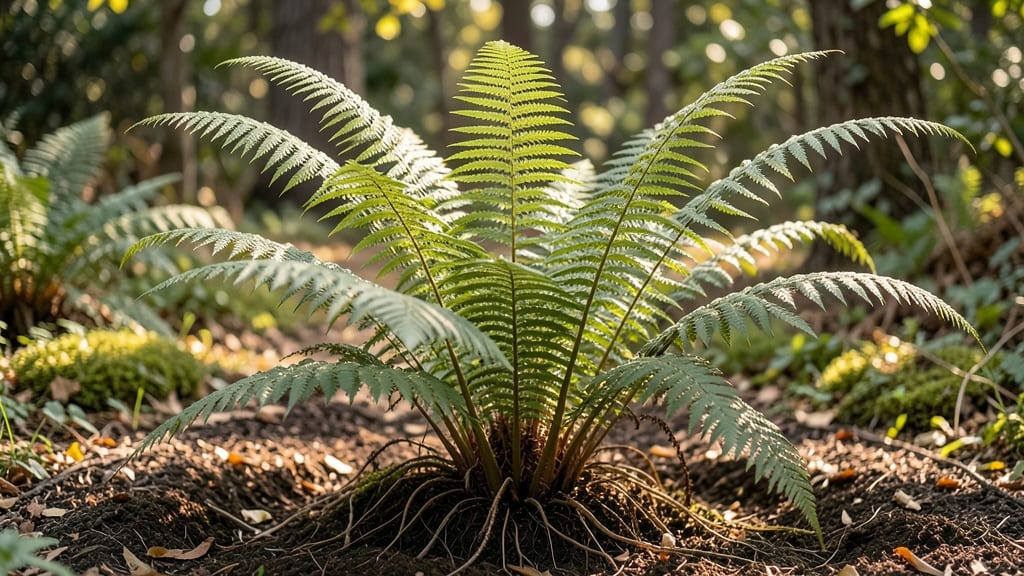
If you’ve ever wondered how tall do ostrich ferns grow, you’re not alone—this striking 🦩 plant can quickly outpace expectations, reaching heights that might surprise even experienced gardeners.
In just a few seasons, these lush, feathery fronds can shoot up to 3 to 5 feet, making them a dramatic focal point in shaded gardens or woodland areas.
The key to managing their growth lies in understanding their natural habits. Ostrich ferns grow upright but also spread gradually, creating a layered, textured look that’s perfect for adding depth to your landscape.
While they thrive in USDA Zone 6a and beyond, their height can vary based on sunlight, soil moisture, and even the specific variety you choose.
For those with limited space, don’t worry—there are compact options like the 'Hope' variety, which tops out around 2 to 3 feet, or dwarf types that stay closer to the ground. With the right care, you can enjoy their beauty without sacrificing your garden’s layout.
Ready to learn how to control their growth and keep them thriving? I’ll walk you through the best practices, from planting in spring to pruning tips that’ll keep your ferns lush and manageable. Let’s get started!


Ostrich fern height stages: from seedling to mature plant
If you're wondering how tall ostrich ferns grow, the answer depends on their life stage. These dramatic Matteuccia struthiopteris plants start small but develop striking vertical growth. Understanding their height progression helps you plan your garden layout and provide proper care.
New seedlings typically reach 6-12 inches in their first growing season. This early growth focuses on establishing a strong root system. The fronds remain compact and delicate during this phase, making them perfect for container gardening if space is limited.
By their second year, ostrich ferns enter the juvenile stage, shooting up to 18-24 inches. You'll notice the iconic feather-like fronds developing more prominently. This is when they begin resembling their mature form, though still on a smaller scale.
Here's where things get exciting: mature ostrich ferns typically reach 3-5 feet tall under ideal conditions. Their growth rate accelerates during their third and fourth years, with some varieties exceeding 5 feet in height when given optimal growing conditions.
Seasonal variations also affect height progression. Spring brings the most rapid growth, with new fronds unfurling quickly. Summer maintains steady growth, while fall slows as the plant prepares for dormancy. Winter growth is minimal, but the fronds remain upright throughout the season.
| Growth Stage | Height Range | Growth Rate | Key Characteristics |
|---|---|---|---|
| Seedling | 6-12 inches | Slow | Delicate fronds, establishing roots |
| Juvenile | 18-24 inches | Moderate | Developing feather-like fronds |
| Mature | 3-5 feet | Rapid (spring/summer) | Full frond development, upright growth |
| Seasonal | Minimal | Dormant | Fronds remain upright, no new growth |
Environmental factors play a crucial role in determining final height. Partial shade conditions with 3-6 hours of indirect sunlight promote healthy growth. Too much direct sun can stunt height while excessive shade may result in leggy, weaker fronds.
Soil quality also impacts height potential. Ostrich ferns thrive in moist, well-draining, humus-rich soil with a slightly acidic pH (5.0-6.5). Amending your soil with compost can provide the nutrients needed for optimal growth, helping your plants reach their full 3-5 foot potential.
For gardeners with limited space, creating a layered planting scheme can work wonders. Place shorter perennials like hostas or foxtails in front of ostrich ferns, while taller plants like Japanese maples can be positioned behind them. This creates visual interest while accommodating their mature height.
Remember that ostrich ferns grow upright rather than spreading outward, making them ideal for vertical garden designs. Their arching fronds create natural movement, adding dynamic interest to shaded garden areas.
If you're growing ostrich ferns in containers, expect slightly shorter heights (typically 2-4 feet) due to root restriction. Choose large pots with drainage holes and use a high-quality potting mix to support their growth while keeping them manageable for patio gardens.
Understanding these height stages helps you anticipate your ostrich ferns' growth patterns and plan your garden accordingly. With proper care, these stunning plants will reach their impressive mature heights while adding year-round interest to your landscape.
Best ostrich fern varieties for compact gardens and containers
If you love ostrich ferns but worry about their height reaching 3-5 feet, don’t fret—there are compact varieties perfect for smaller spaces. These dwarf cultivars grow beautifully in containers or tight garden beds while still delivering that lush, feathery foliage you adore.
When choosing a variety, consider your space constraints. Container gardening works well for smaller types, while ground covers like 'Cristata' spread horizontally, making them ideal for borders or woodland gardens. Let’s explore the best options for keeping your ostrich ferns manageable without sacrificing beauty.
🦩
| Variety | Mature Height | Spread | Best For | Care Tip |
|---|---|---|---|---|
| 'Hope' | 2-3 ft | 18-24 in | Containers, small gardens | Thrives in partial shade; water consistently. |
| 'Cristata' | 18-24 in | 2-3 ft | Borders, woodland gardens | Spreads horizontally; ideal for ground cover. |
| 'Pulcherrima' | 3-4 ft | 2-3 ft | Shady corners, containers | Tolerates full shade; prune to control height. |
| 'Plumosa-Aurea' | 2-3 ft | 18-24 in | Containers, patios | Golden fronds; needs well-draining soil. |
For container gardening, 'Hope' and 'Plumosa-Aurea' are my top picks—their compact stature makes them perfect for patios or balconies. Use a 10-12 inch pot with drainage holes and a mix of peat moss and perlite to keep roots happy.
Remember, even dwarf varieties need regular watering—they despise drying out!
If you’re designing a shady garden bed, 'Cristata' is a game-changer. Its horizontal spread creates a lush carpet of fronds, ideal for under trees or along fences.
Pair it with hostas or astilbes for a layered, textured look. Just ensure the soil stays moist but not soggy—ostrich ferns hate "wet feet."
Pro tip: Prune spent fronds in early spring to redirect energy into new growth. This keeps your ostrich ferns looking tidy and encourages bushier, fuller plants. With the right variety and a little care, you can enjoy these elegant ferns even in the smallest of spaces!
🌿