
How To
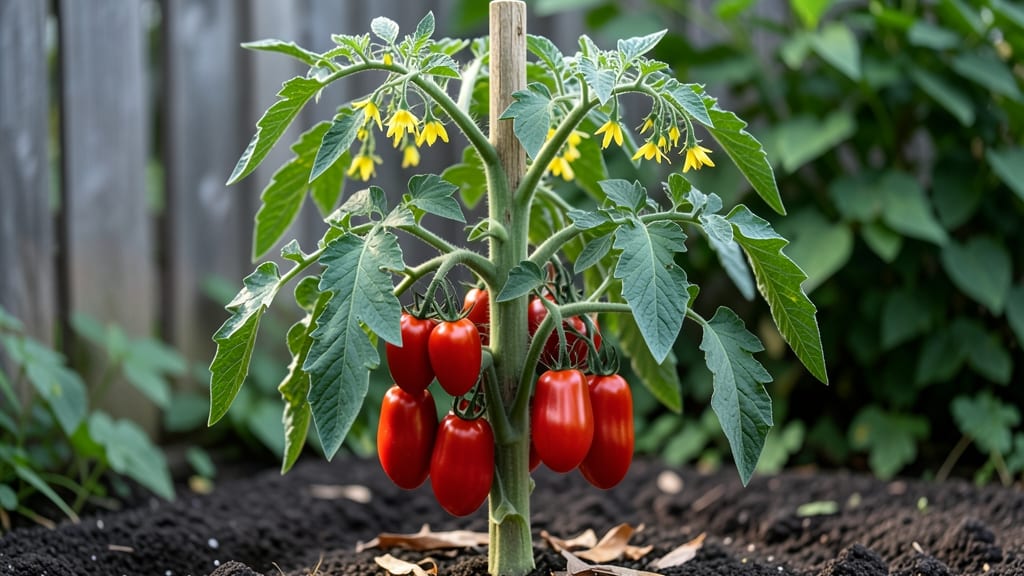
If you're planning to grow San Marzano tomato plants 🍅, you might be surprised by how tall they can become—often reaching heights of 4 to 6 feet or more. These indeterminate varieties don’t stop growing until frost hits, which means they need plenty of space and support to thrive.
Understanding their height is the key to maximizing your harvest without sacrificing stability. Whether you're a first-time gardener or a seasoned pro, knowing how to manage their growth will help you avoid common pitfalls like weak stems or crowded plants.
In this guide, I’ll break down everything you need to know about San Marzano tomato height, including how to choose the right support system and when to prune for better airflow and yield. Let’s get your garden ready for those delicious, homegrown tomatoes!
From trellises to stakes, we’ll cover the best ways to keep your plants upright and productive. By the end, you’ll have all the tips to ensure your San Marzano tomatoes 🍅 grow strong and healthy—no matter how tall they get!


How tall San Marzano tomato plants grow: indeterminate height explained
San Marzano tomato plants are indeterminate varieties, meaning they don’t stop growing when they produce fruit. Instead, they continue climbing and producing tomatoes throughout the growing season, often reaching 4 to 6 feet tall—or even taller with proper care.
This makes them one of the tallest tomato varieties you can grow in your garden, requiring thoughtful planning to support their impressive height.
In their first year, you might see 3 to 5 feet of growth, but by their second and third years, these plants can easily surpass 6 feet if given the right conditions.
Their height isn’t just about aesthetics—it directly impacts yield, air circulation, and disease resistance. Without proper support, the vines can become top-heavy, leading to broken stems or fruit rot.
Several factors influence how tall your San Marzano plants grow. Sunlight exposure is critical—these plants thrive with 6 to 8+ hours of direct sun daily.
Poor sunlight can stunt growth, while ideal conditions encourage rapid vertical expansion. Soil quality also plays a role; rich, well-draining soil with plenty of organic matter promotes healthier roots and stronger stems.
Another key factor is pruning and training. While indeterminate tomatoes grow continuously, strategic pruning can help manage their height and direct energy toward fruit production. Removing suckers (the small shoots that form in the leaf axils) can reduce bushiness and encourage upward growth.
Without pruning, plants may become overly wide and struggle to support their own weight.
Climate also affects height. In warmer regions, San Marzano plants may grow faster and taller, while cooler climates can slow their growth. If you’re in a shorter growing season, consider starting seeds indoors or using row covers to extend the season and maximize height potential.
🌱 San Marzano Tomato Growth Summary
| Growth Stage | Height Range | Key Notes |
|---|---|---|
| Seedling | 6-12 inches | Transplant after true leaves form. |
| First Year | 3-5 feet | Needs support early to prevent sprawling. |
| Mature Plant | 4-6 feet | Prune suckers to manage height and improve airflow. |
| With Ideal Care | 6-8+ feet | Requires strong trellis or cage system. |
If you’re growing San Marzano tomatoes in containers, expect slightly shorter heights—around 3 to 5 feet—due to limited root space. However, even in pots, these plants benefit from vertical support to prevent stems from bending or breaking under the weight of fruit.
Choose large containers (at least 5-gallon size) to accommodate their deep root systems.
One common misconception is that taller tomato plants always produce more fruit. While height can correlate with yield, proper pruning and training are just as important. Focus on removing lower leaves to improve airflow and reduce disease risk, while leaving upper leaves to support photosynthesis.
This balance ensures your plants grow tall and productive.
To maximize height and yield, start with healthy seedlings from a reputable nursery. Avoid overcrowding—space plants 18 to 24 inches apart in rows that are 3 to 4 feet apart. This spacing gives roots room to spread and reduces competition, allowing each plant to reach its full height potential.
Finally, monitor your plants for signs of overgrowth, such as excessive leafiness or weak stems. If you notice stems bending under the weight of fruit, reinforce supports immediately.
With the right care, your San Marzano plants will grow tall, strong, and packed with flavorful tomatoes ready for your favorite recipes.
How tall San Marzano tomato plants grow: indeterminate height explained
San Marzano tomato plants are indeterminate varieties, meaning they don’t stop growing until frost hits. Unlike their determinate cousins, these plants can climb 4 to 6 feet tall—or even taller—if given the right conditions.
Their vine-like growth makes them perfect for trellises or cages, but it also means you’ll need to plan for their impressive vertical reach from the start.
Understanding their height potential helps you design your garden layout. A 4-foot-tall plant needs at least 18 inches of space between neighbors, while a 6-foot giant might require 24 inches to avoid crowding.
Without proper spacing, you risk poor air circulation, which can lead to fungal diseases like early blight or powdery mildew.
🌱 San Marzano Tomato Growth Summary
| Growth Stage | Height Range | Key Notes |
|---|---|---|
| Seedling | 6–12 inches | Transplant when 4–6 weeks old. |
| Early Growth (4–6 weeks) | 2–3 feet | Install supports early to avoid root disturbance. |
| Mature Plant | 4–6 feet | Prune regularly to manage height and yield. |
| Fruiting Season | Up to 8+ feet (with support) | Harvest frequently to encourage more fruit. |
Several factors influence how tall your San Marzano plants grow. Climate and sunlight play huge roles—plants in USDA Zones 7–10 with 6+ hours of sun daily will grow taller and produce more fruit.
Meanwhile, soil quality affects root strength; well-draining, nutrient-rich soil helps vines reach their full potential without toppling over.
If you’re growing in containers or small spaces, expect slightly shorter plants (3–4 feet) due to restricted root growth. However, with proper pruning and support, even container-grown San Marzanos can hit 5 feet tall.
The key is to train vines upward early, using stakes or trellises to guide their growth and prevent sprawling.
One common misconception is that taller plants always mean more tomatoes. While height correlates with yield, poorly managed vines can become overcrowded and disease-prone.
That’s why pruning and thinning are critical—removing suckers (side shoots) and lower leaves improves airflow and directs energy to fruit production rather than excessive foliage.
When planning your garden, consider the vertical space available. A 6-foot-tall plant needs a sturdy trellis or cage that can support 50+ pounds of fruit at peak season.
If your fence or deck is only 5 feet tall, you’ll need to prune aggressively or choose a dwarf variety (though true San Marzanos aren’t dwarf).
Remember, the height of your San Marzano tomatoes isn’t just about aesthetics—it’s about maximizing your harvest while keeping your plants healthy. With the right support, pruning, and care, you’ll enjoy plumper, sweeter tomatoes that rival the famous Italian varieties you’ve always loved. 🌿