
Trees
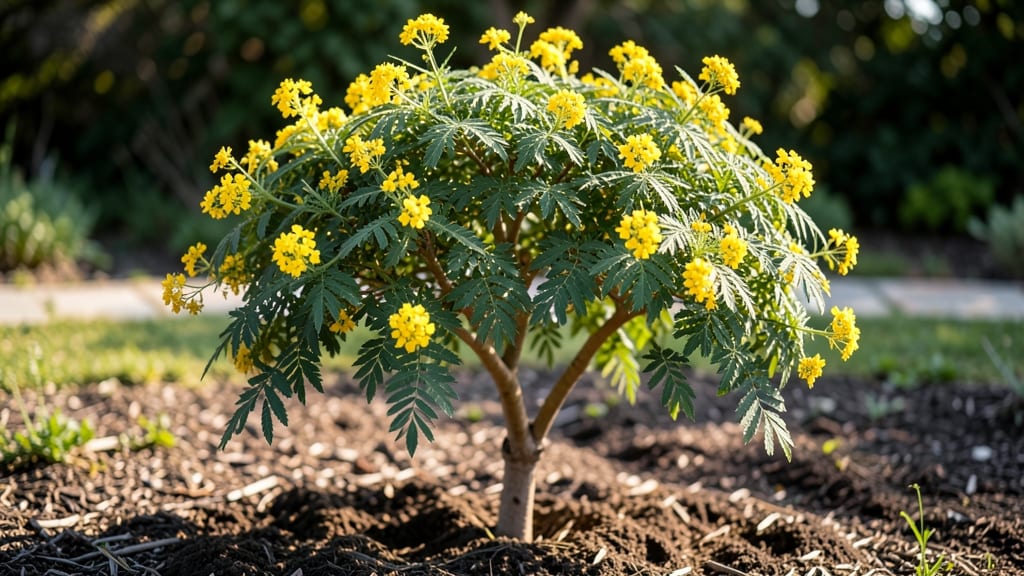
If you're curious about how tall does a mustard tree grow, the answer might surprise you—especially if you're picturing a small shrub. This striking 🌳 can actually reach towering heights, making it a standout feature in any landscape or garden.
Most mustard trees mature between 15 to 30 feet, depending on the variety and growing conditions. In their first year, they typically grow 3 to 5 feet, but with proper care, they can shoot up to 12 to 18 feet by year three.
Whether you're planning for a backyard or container gardening, understanding these growth stages is key to giving your mustard tree the space it needs to thrive.
What makes this plant so fascinating is its adaptability. In USDA Zone 6a, where spring planting is ideal, mustard trees can flourish with the right balance of sunlight and soil.
While they don’t require heavy pruning, learning how to manage their height early on ensures they grow strong and healthy—without taking over your garden.
Ready to add this versatile 🌳 to your outdoor space? Discover how to nurture it from seedling to maturity, so you can enjoy its beauty—and even its edible leaves—year after year.


Mustard tree height by variety: from dwarf to giant sizes
When planning your garden, knowing the mustard tree height is crucial—especially since some varieties can grow taller than your garage! Most Brassica juncea varieties mature between 15 to 30 feet, but dwarf types like 'Varuna' stay under 6 feet.
The height depends on your climate, soil, and pruning habits, so let’s break it down by variety to help you choose the right fit for your space.
For backyard gardens with limited space, compact varieties like 'Rai' or 'Brown Sarson' are ideal—they top out around 8 to 10 feet and thrive in USDA Zones 6-10.
Meanwhile, the 'Pusa Jai Kisan' variety can reach 20+ feet in optimal conditions, making it better suited for rural properties or large landscapes. Always check your local frost dates—mustard trees planted too early may struggle to reach their full height potential.
Here’s how mustard tree height compares across popular varieties, including their growth habits and ideal climates:
If you’re growing mustard trees in containers, expect heights to be 20–30% shorter than their in-ground counterparts. For example, a 'Pusa Jai Kisan' in a 15-gallon pot might only reach 12–15 feet.
Always use well-draining soil and prune regularly to manage height, especially in urban settings where space is limited.
One common misconception is that all mustard trees grow into full-sized trees. In reality, many varieties—like 'Varuna'—stay shrub-like unless given optimal growing conditions. To encourage faster growth, ensure your tree gets 6+ hours of sunlight daily and consistent moisture during the first 2 years.
Overwatering or poor drainage can stunt height, so always check soil moisture with your finger before watering.
For fast-growing varieties, like 'Rai,' you’ll see 3–5 feet of growth in the first year if planted after the last frost. In contrast, slower-maturing types like 'Brown Sarson' may only add 2–3 feet annually.
Plan your garden layout accordingly—place taller varieties at the back of beds or near fences to avoid shading smaller plants.
Pro tip: If you’re unsure about your mustard tree height expectations, start with a dwarf variety like 'Varuna' in a container garden. This lets you test your growing conditions without committing to a 20-foot giant. Plus, dwarf types are perfect for community gardens where space is shared!
🌱
How fast does a mustard tree grow? Height progression by stage
Watch your mustard tree (Brassica juncea) transform from a tiny seedling to a towering edible giant in just a few years! Understanding its growth stages helps you plan for space, pruning, and even harvests.
Most varieties reach their mature height of 15-30 feet within 3-5 years, but growth speed varies wildly based on conditions.
In its first year, expect 3-5 feet of growth if planted in ideal conditions—think full sun and well-draining soil. This rapid start is why many gardeners love mustard trees: they’re like the fastest-growing veggies with a tree-like structure.
But don’t be fooled—neglect sunlight or water, and you’ll see stunted growth.
By year two, your tree will likely surge to 8-12 feet, especially if you’re in a warm climate (USDA Zones 6-10). This is when you’ll notice thick, woody stems forming—key to its "tree" nickname.
Pruning now can redirect energy toward bushier growth, but skip it if you’re growing for seeds or large leaves.
Here’s where things get exciting: year three brings the biggest leap, with heights jumping to 12-18 feet. This is when you’ll see yellow flowers and seed pods forming, signaling maturity. If you’re growing mustard greens (not the tree variety), harvest leaves before this stage to avoid woody stems.
🌱 Mustard Tree Growth Timeline
- Month 1-3: Seedling to 1-2 ft (focus on moisture and sunlight)
- Month 4-6: Rapid shoot growth to 3-5 ft (prune if needed)
- Month 7-12: Woody stem development (5-8 ft; reduce watering slightly)
- Year 2: 8-12 ft with flowering (ideal for seed production)
- Year 3+: Mature height 15-30 ft (prune annually for shape)
After year three, growth slows but doesn’t stop—your mustard tree will keep adding 1-2 feet per year if happy. In container gardens, growth is slower (6-10 feet max), but you can still enjoy edible leaves and flowers.
The key to controlling height? Pruning—we’ll cover that in our next section!
Pro tip: Mustard trees grow faster in sandy loam soil with a pH of 6.0-7.5. Amend clay soil with compost to avoid root rot, which stunts growth. And remember—consistent watering (not soggy soil) is critical for those early height spikes!
🌿