
How To
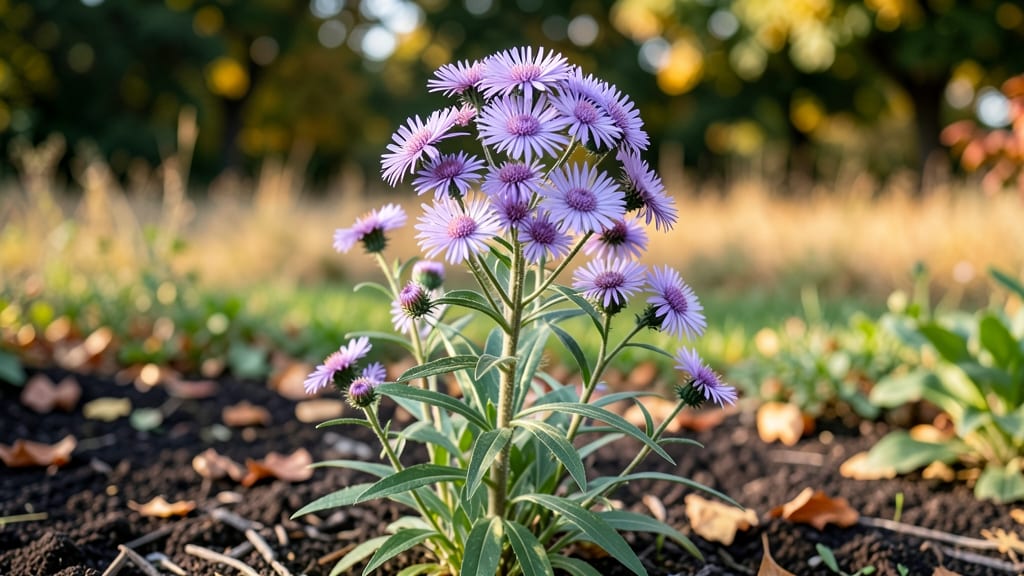
If you're planning your fall garden and wondering how tall does aster grow, the answer might surprise you—these cheerful blooms can range from petite 1-foot dwarfs to towering 6-foot giants, depending on the variety.
Whether you're dreaming of a low border or a dramatic back-of-the-bed statement, knowing the right height for your space is key to making your garden shine.
The beauty of asters 🌸 lies in their versatility—some varieties stay neatly contained, perfect for front-row planting, while others reach skyward, ideal for adding height to mixed beds.
For example, the popular New England aster can stretch up to 5 feet, while annual varieties like 'China Aster' often max out around 2 feet. The difference comes down to genetics, sunlight, and soil, so let’s break down what to expect from the most common types.
If you're working with limited space, dwarf asters are a game-changer—they thrive in containers or small gardens without overpowering other plants. But if you're going for a bold, dramatic look, taller varieties can create stunning focal points when paired with the right supports.
The best part? Most asters grow taller in full sun, so positioning them correctly can make all the difference in their final height.
Ready to pick the perfect aster for your garden? I’ll walk you through the top varieties, their ideal heights, and how to keep them looking their best—whether you want a neat, compact display or a towering burst of fall color. Let’s get growing!


Exact height ranges of the top 5 aster varieties
Asters aren’t one-size-fits-all—they range from dwarf varieties that barely peek over garden edges to towering giants that reach your shoulders. Knowing exact height ranges helps you plan borders, cut flower arrangements, or create dramatic backdrops.
Let’s explore the top 5 aster varieties and their mature heights, so you can pick the perfect fit for your space.
First, it’s important to note that aster height depends on whether you’re growing perennial asters (like New England asters) or annual asters (like China asters). Perennials often grow taller over time, while annuals hit their mature height in a single season. Here’s what to expect from the most popular types:
| Variety | Common Name | Mature Height | Best For |
|---|---|---|---|
| 'Profusion' Series | Annual Aster (Callistephus chinensis) | 12–18 inches | Containers, borders, cut flowers |
| 'Alma Potschke' | New England Aster (Symphyotrichum novae-angliae) | 2–4 feet | Wildflower gardens, backdrops |
| 'Wood’s Dark Purple' | Smooth Aster (Symphyotrichum laeve) | 3–5 feet | Tall borders, pollinator gardens |
| 'Little Carlow' | Dwarf Annual Aster | 6–12 inches | Rock gardens, edging |
| 'Patriot' | China Aster (Callistephus chinensis) | 2–3 feet | Cut flower arrangements, mid-height beds |
The 'Profusion' series is my go-to for small spaces—these annual asters stay compact at just 12–18 inches, making them perfect for containers or window boxes. Their pink, purple, and blue blooms add color without overwhelming smaller gardens.
If you’re after a bold statement, the 'Wood’s Dark Purple' smooth aster can reach 5 feet, creating a dramatic focal point in late-season gardens.
For pollinator-friendly gardens, taller varieties like 'Alma Potschke' (New England aster) are a must. These perennials hit 3–4 feet and thrive in full sun, attracting bees and butterflies while providing months of blooms.
If you’re unsure about height, start with dwarf annuals like 'Little Carlow'—they’re forgiving and won’t outgrow their welcome.
Pro tip: Check plant tags for exact height ranges, as some nurseries may list spread width alongside height. For example, a 3-foot aster might spread 2 feet wide, so plan spacing accordingly to avoid overcrowding.
If you’re using asters for cut flowers, taller varieties like 'Patriot' provide long stems for arrangements, while dwarf types work better in bouquets with shorter flowers.
Remember, soil fertility and sunlight can influence height—asters in poor soil may stay shorter, while those in rich, sunny conditions can grow taller than expected. We’ll cover how to control height in the next section, but for now, pick your favorite and let the planning begin!
🌸
Exact height ranges of the top 5 aster varieties
Asters are one of the most versatile fall flowers, offering everything from compact border plants to towering statement pieces. The height you can expect depends entirely on the variety—some stay as short as 12 inches, while others reach 6 feet or more.
Let’s explore the exact height ranges of the five most popular types so you can plan your garden layout with confidence.
Understanding these height differences is crucial for creating a balanced garden. Dwarf varieties work beautifully in front borders, while tall varieties excel as backdrops or cut flowers. The key is matching the aster’s mature height to its intended placement in your landscape design.
| Variety | Mature Height | Best For | Notes |
|---|---|---|---|
| 'Alma Potschke' | 12-18 inches | Front borders, containers | Dwarf variety with lavender-blue blooms |
| 'New England Aster' | 2-4 feet | Mid-height accents, cut flowers | Classic purple-pink blooms, attracts pollinators |
| 'China Aster' | 1-3 feet | Borders, mass plantings | Annual variety with bright colors (red, white, purple) |
| 'Callistephus chinensis' | 1-2 feet | Containers, window boxes | Annual with pom-pom flowers, great for cuttings |
| 'October Skies' | 4-6 feet | Backdrops, tall garden features | Tallest variety with deep blue blooms |
When selecting asters for your garden, consider not just height but also spread and bloom time. For example, 'New England Aster' spreads 2-3 feet wide, making it ideal for mid-height garden beds, while 'Alma Potschke' stays compact at just 1 foot wide, perfect for container gardens.
Pro tip: If you’re using asters as cut flowers, choose taller varieties like 'October Skies' or 'New England Aster' for long-lasting bouquets. Their sturdy stems hold up well in arrangements, often lasting 7-10 days in a vase with proper care.
For gardeners with limited space, dwarf varieties like 'Alma Potschke' or 'Callistephus chinensis' are excellent choices. They thrive in containers, window boxes, or even as edging plants along pathways. Just ensure they receive full sun (6+ hours daily) to reach their full height potential.
🌸